
If you’re planning a trip to East Africa, chances are you’ve asked the same question many travelers do: Is Kenya safe for tourists?
This Kenya travel safety guide 2026 provides a clear, honest, and practical answer.
Kenya attracts visitors with world-class safaris, white-sand beaches, and vibrant cities. However, like any destination, it comes with real risks that require awareness and preparation. Therefore, this guide goes beyond surface-level reassurance to explain current safety conditions, highlight safe regions, outline areas to avoid, and share practical tips for first-time visitors, families, and solo travelers.
By the end, you’ll know exactly how to travel Kenya confidently—while minimizing risk and maximizing your experience.
Understanding Kenya’s Current Safety Landscape (2026)
Kenya remains one of Africa’s leading tourism destinations. At the same time, it faces regional security challenges that vary widely by location.
Overall, tourist circuits are well protected, while a few remote border areas carry higher risk.
The Kenyan government invests heavily in safeguarding tourism. As a result, airports, hotels, shopping malls, and national parks feature visible security checks, vehicle screening, and armed patrols.
Terrorism: Localized but Managed
The primary concern in international advisories relates to militant activity linked to Somalia. However, nearly all incidents occur in remote northeastern counties, far from mainstream tourist routes.
Major destinations such as Nairobi, Maasai Mara National Reserve, and the southern coast operate under enhanced security protocols.
In other words, awareness matters—but panic does not.
Crime: Petty Theft vs Serious Violence
Petty crime is more common than violent crime for visitors. Pickpocketing, phone snatching, and bag theft occur in crowded urban areas.
Violent crime rarely targets tourists staying in reputable hotels or traveling with licensed operators. Therefore, smart habits dramatically reduce risk.
Safest Places to Visit in Kenya
🌆 Nairobi

Kenya’s capital offers modern hotels, excellent restaurants, and unique wildlife experiences.
Safe tourist neighborhoods include Westlands, Karen, and Gigiri. Popular attractions sit in secure zones, including Nairobi National Park and cultural museums.
However, avoid walking at night. Instead, use Uber or hotel transfers.
🐘 Maasai Mara and the Rift Valley

The Maasai Mara National Reserve is among Africa’s safest safari regions.
Why? Because access is controlled, guides are professionally trained, and lodges prioritize guest security. In addition, there are no dense urban centers—only camps and conservancies.
Nearby Rift Valley stops such as Lake Naivasha and Lake Nakuru also maintain strong tourism infrastructure.
🏖️ The Coast: Diani, Watamu, and Malindi
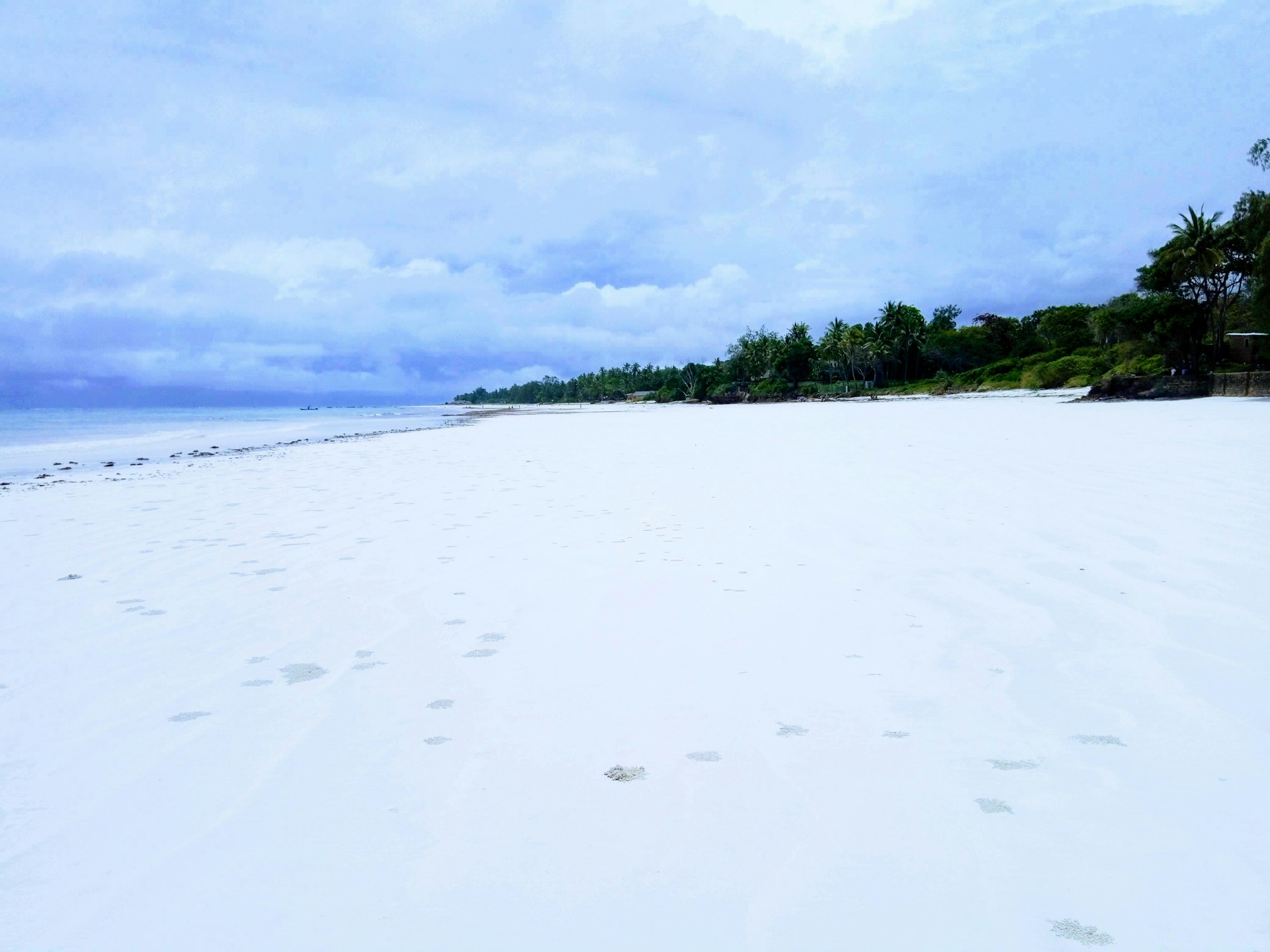
Diani Beach is especially popular with families and honeymooners thanks to gated resorts and a relaxed atmosphere.
Watamu and Malindi town are also tourist-friendly.
Nevertheless, avoid isolated beaches after dark and always secure valuables.
Other safe destinations include Amboseli, Tsavo, and central Mombasa resort areas.
Areas Where Extra Caution Is Required
Although most visitors never encounter unsafe regions, certain locations should be avoided:
- Counties bordering Somalia (Mandera, Wajir, Garissa)
- Remote northern areas affected by banditry
- Parts of Lamu County outside the historic town
- Crowded urban neighborhoods late at night
These places rarely appear on standard safari or beach itineraries. Therefore, sticking to established routes removes most serious risk.
Common Safety Concerns for Travelers
Petty Crime
Pickpocketing occurs in busy areas.
Reduce exposure by:
- Carrying only essential cash
- Using cross-body bags
- Avoiding visible phone use on crowded streets
Transportation Safety
Road accidents pose a greater risk than crime.
Therefore:
- Avoid self-driving
- Skip night bus travel
- Use professional drivers or tour companies
Health and Medical Safety
Major cities offer quality private hospitals. Rural areas do not.
Before travel, consult World Health Organization and Centers for Disease Control and Prevention for vaccination guidance.
Key steps:
- Drink bottled or filtered water
- Pack basic medications
- Carry comprehensive travel insurance
Kenya Travel Safety Guide 2026: Practical Tips for First-Time Visitors
Documents and Money
- Store passport copies digitally and physically
- Use hotel safes for originals
- Split cash between bags
Cultural Awareness
Kenya is friendly but conservative in many regions.
Therefore:
- Dress modestly in towns
- Ask before photographing people
- Learn basic Swahili greetings
Small gestures build trust quickly.
Safari Safety Essentials
Wildlife areas follow strict protocols:
- Never exit vehicles
- Obey guides immediately
- Keep voices low
- Never feed animals
As a result, safari accidents remain extremely rare.
In lodges, request escorts after dark. Animals such as hippos roam freely at night and can be dangerous.
Solo Travelers and Women’s Safety
Kenya welcomes solo travelers, including women.
To stay safe:
- Choose reputable hotels
- Avoid isolated nightlife venues
- Use registered taxis
- Share itineraries with someone you trust
In addition, online travel communities provide up-to-date advice and support.
Family Travel Safety
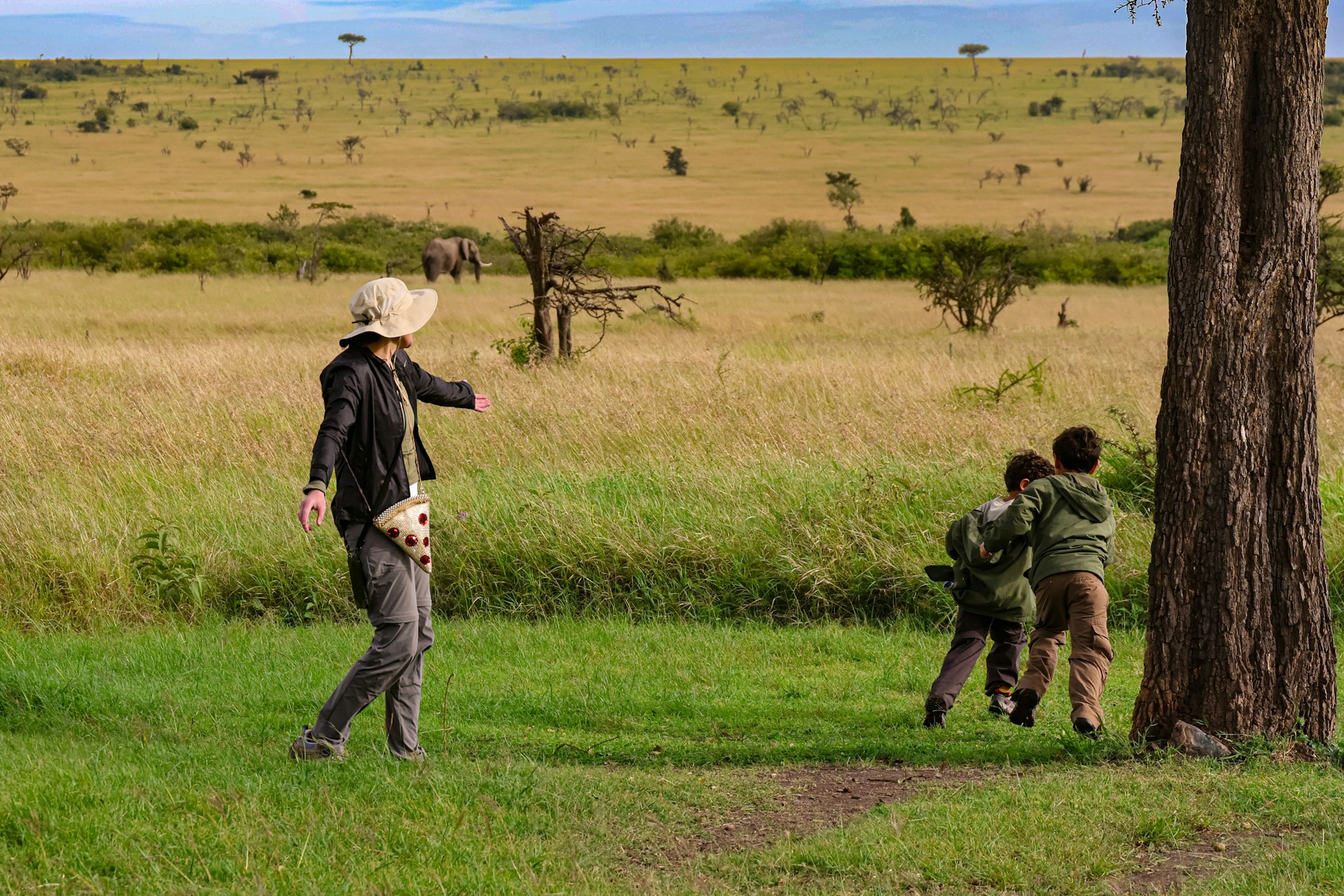
Families visit Kenya every year without incident.
Most safari lodges offer child-friendly programs, while coastal resorts provide calm swimming zones.
However:
- Bring sun protection
- Supervise children near wildlife
- Carry snacks during long drives
Terrorism Risk and Political Protests
Kenya has experienced isolated attacks in the past. Since then, security has increased dramatically.
Hotels, malls, and airports now use screening checks. Safari regions remain unaffected.
Occasional demonstrations occur during election periods. Tourists should avoid large gatherings and follow local news.
Travel Insurance Is Non-Negotiable
Your policy should cover:
- Medical evacuation
- Trip interruption
- Lost luggage
This single step dramatically improves peace of mind.
Practical Daily Safety Habits
Small routines go a long way:
- Lock doors and windows
- Save emergency numbers
- Use mall ATMs during daylight
- Trust your instincts
Treat Kenya like any unfamiliar destination.
Entry Requirements and Local Laws
Kenya now requires an electronic travel authorization (eTA) before arrival.
Important legal notes:
- Plastic carrier bags are banned
- Wildlife products are strictly illegal
- Even one stray bullet can result in prison
Always comply politely during police checks. If unsure, suggest resolving issues at a nearby station or hotel.
Suggested Internal Resources
- Safari packing lists
- Nairobi neighborhood guides
- Kenya self-drive safari guide
- Best time to visit Kenya
These helps build a complete itinerary.
Credible External Resources
For official updates, consult:
- National tourism advisories
- WHO health guidance
- Airline travel notices
Avoid relying on social media rumors.
Frequently Asked Questions About Kenya Travel Safety (2026)
Is Kenya safe for tourists in 2026?
Yes, Kenya is generally safe for tourists in 2026, especially in popular travel destinations such as Nairobi, Maasai Mara National Reserve, Amboseli, Mombasa, Mount Kenya, and Diani Beach. Most visitors complete their trips without any problems.
However, travelers should still practice common-sense precautions. Petty theft, and traffic accidents, can occur. Therefore, staying informed, using reputable tour operators, and avoiding high-risk Somalia border regions significantly improves safety.
What areas should tourists avoid in Kenya?
Tourists should avoid regions near the Somalia border, including Mandera, Wajir, and Garissa counties. In addition, some remote northern areas experience banditry and are not recommended for casual travel.
Within cities, avoid walking alone in unfamiliar neighborhoods late at night. Most standard safari and beach itineraries never enter these high-risk regions.
Is Nairobi safe for tourists?
Nairobi is safe for tourists who stay in well-known areas such as Westlands, Karen, Kilimani, Kileleshwa and Gigiri.
Like many major cities, Nairobi has petty crime in crowded areas. Therefore, avoid displaying valuables, use ride-hailing apps at night, and remain aware of your surroundings.
Tourist attractions like Nairobi National Park, the Giraffe Centre, and museums are generally safe and heavily visited.
Is Kenya safe for solo female travelers?
Yes, many solo female travelers visit Kenya safely every year.
To reduce risks:
- Stay in reputable hotels
- Use registered taxis or ride-hailing apps
- Avoid isolated nightlife areas
- Dress modestly outside beach resorts
In addition, joining group safaris can provide extra comfort and convenience for first-time visitors.
Is Kenya safe for families with children?
Kenya is a popular family travel destination. Safari lodges, beach resorts, and national parks often cater to families with child-friendly activities and accommodations.
Parents should still:
- Supervise children near wildlife
- Carry sunscreen and insect repellent
- Bring snacks and water during long drives
Overall, Kenya offers excellent family travel experiences when planned properly.
Is the Maasai Mara safe for tourists?
Yes, the Maasai Mara National Reserve is considered one of the safest safari destinations in Africa.
Lodges and conservancies maintain strict safety standards. In addition, safari guides are highly trained and visitor movement is controlled.
The main safety concern is wildlife itself. Therefore, always follow your guide’s instructions and never leave safari vehicles without permission.
Is Diani Beach safe for tourists?
Diani Beach is one of Kenya’s safest and most popular beach destinations.
Most resorts have private security and controlled access. However, visitors should avoid isolated beaches after dark and secure valuables properly.
During the day, Diani is relaxed, family-friendly, and widely regarded as safe for tourists.
What is the biggest danger for tourists in Kenya?
For most tourists, road safety poses a bigger risk than crime or terrorism.
Road conditions vary, and traffic can be unpredictable. Therefore, visitors should avoid self-driving and use licensed drivers or reputable tour companies instead.
Petty theft is another common issue, especially in crowded urban areas.
Do tourists need travel insurance for Kenya?
Yes, comprehensive travel insurance is essential for visiting Kenya.
A good policy should include:
- Emergency medical coverage
- Medical evacuation
- Lost luggage protection
- Trip cancellation coverage
Travel insurance provides peace of mind, especially for safari travel in remote areas.
Are safaris in Kenya dangerous?
Safaris are very safe when conducted through reputable operators.
Professional guides follow strict wildlife safety protocols. In addition, safari vehicles are designed to protect guests during animal encounters.
To stay safe:
- Never exit the vehicle without permission
- Keep a respectful distance from animals
- Follow guide instructions immediately
Serious safari incidents are extremely rare.
Is terrorism a risk in Kenya?
Kenya has experienced isolated terrorist attacks in the past, mostly connected to border regions near Somalia.
However, tourist destinations such as safaris and beach resorts remain heavily protected. Airports, hotels, and malls now use enhanced security screening.
While awareness is important, most tourists never encounter security issues during their visit.
What vaccinations do I need before traveling to Kenya?
Travelers commonly receive vaccinations for:
- Yellow Fever
- Hepatitis A
- Typhoid
- Tetanus
Some visitors also take malaria prevention medication, depending on where they travel.
Consult your doctor or a travel clinic before departure for personalized advice.
Is it safe to use public transport in Kenya?
Public minibuses known as matatus are affordable but can be chaotic and overcrowded.
Most tourists prefer:
- Ride-hailing apps
- Hotel transfers
- Private drivers
- Organized tours
These options are safer and more comfortable, especially for first-time visitors.
Can tourists drink tap water in Kenya?
Yes. Although, it is safer to drink bottled or filtered water while traveling in Kenya.
In addition:
- Avoid ice from unreliable sources
- Eat freshly cooked food
- Wash hands regularly
These precautions help reduce the risk of stomach illnesses.
Is Kenya worth visiting despite safety concerns?
Absolutely.
Kenya offers some of Africa’s most spectacular wildlife, beaches, landscapes, and cultural experiences. Most travelers describe the country as welcoming, exciting, and unforgettable.
With preparation, awareness, and smart travel habits, Kenya can be both safe and deeply rewarding.
Final Verdict: Is Kenya Safe for Tourists?
Yes—Kenya is safe for tourists who travel smart.
The risks are real but localized. Meanwhile, the rewards are extraordinary: iconic wildlife, warm hospitality, and unforgettable landscapes.
Therefore, if you follow this Kenya travel safety guide 2026, stick to established tourist areas, use licensed transport, carry insurance, and respect local customs, you can explore Kenya with confidence.
Quick Recap
- Stick to mainstream tourist destinations
- Use professional drivers
- Carry travel insurance
- Secure valuables
- Stay informed
Do that—and Kenya becomes not just safe, but truly unforgettable.