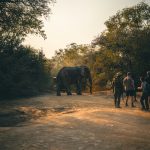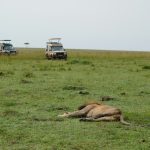
Planning your first safari is thrilling. The idea of spotting lions at sunrise, watching elephants cross dusty plains, and enjoying sunsets over the savanna sparks instant wanderlust.
However, figuring out what to pack often creates stress.
This safari packing list for first-time travelers removes the guesswork. It explains exactly what to bring, why each item matters, and how to pack light while staying comfortable. Whether you’re visiting Kenya, Tanzania, South Africa, or Botswana, the fundamentals stay the same.
By the end, you’ll feel confident, prepared, and ready to focus on wildlife instead of wardrobe worries.
Why You Need a Proper Safari Packing List
A safari is not a beach holiday.
Instead, you’ll face:
- Early morning game drives
- Dusty roads
- Strong equatorial sun
- Cool mornings and hot afternoons
- Strict luggage limits on small aircraft
As a result, smart packing makes a huge difference.
A well-prepared traveler:
- Stays comfortable during long drives
- Avoids sunburn and insect bites
- Respects local customs
- Keeps luggage light and practical
In addition, many safari flights limit bags to 15–20 kg (33–44 lbs) and require soft-sided luggage. Therefore, knowing exactly what to pack prevents last-minute stress at the airport.
The Golden Rules of Safari Packing
Before choosing individual items, follow these four core principles.
Dress in Layers
A single safari day can feel like four seasons.
Mornings are cold. Midday is hot. Evenings cool quickly.
Therefore, pack lightweight layers you can easily add or remove.
For example:
- T-shirt base layer
- Long-sleeve shirt for sun protection
- Fleece or jacket for chilly drives
Stick to Neutral Colors
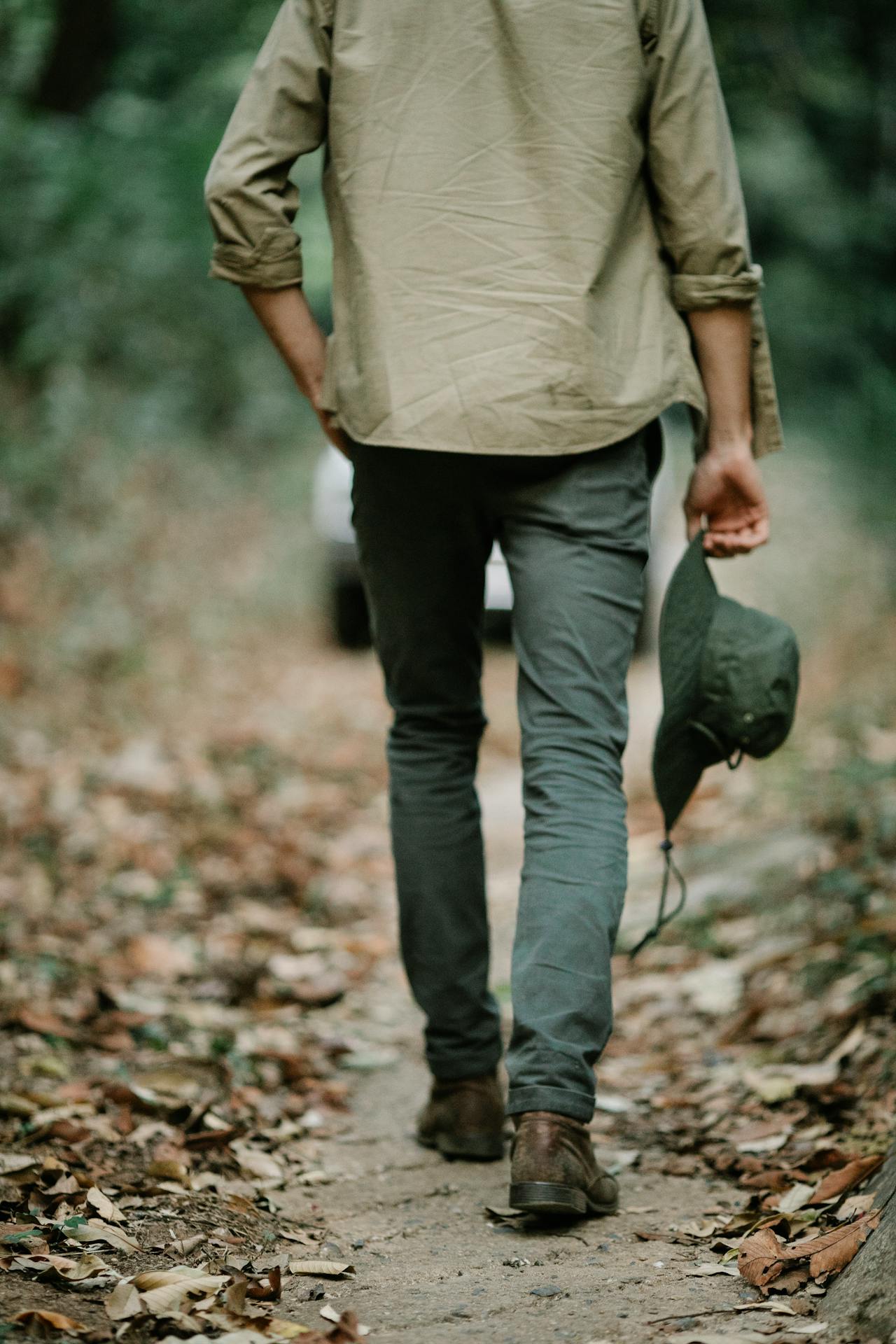
Choose khaki, olive, beige, taupe, or light brown.
These shades help you blend into the environment. In addition, they don’t attract insects like dark blue or black.
Avoid white as well. It shows dust instantly.
Pack Light and Use Soft Bags
Hard-shell suitcases don’t work on bush planes.
Instead, use a soft-sided duffel that can be squeezed into small cargo holds.
Prioritize Function Over Fashion
Safari vehicles are dusty. Roads are bumpy.
Therefore, choose breathable, quick-drying fabrics and comfortable fits. Leave expensive jewelry and designer outfits at home.
Clothing Essentials for Your First Safari
Tops
Pack versatile pieces you can mix and match:
- 3–4 base layers: short- and long-sleeve moisture-wicking shirts
- 2 lightweight button-down shirts: great for sun and insects
- 1 fleece or warm sweater: essential for early drives
- 1 packable rain jacket: especially useful in green season
Merino wool or performance fabrics resist odor and dry quickly.
Bottoms
Bring:
- 2–3 pairs of lightweight trousers (one convertible pair works well)
- 1–2 pairs of safari shorts
- 1 smart-casual option for lodge dinners
Choose comfortable fits with breathable materials.
Undergarments and Sleepwear
Pack quick-dry underwear and moisture-wicking socks.
In addition, bring pajamas suitable for both warm and cool nights.
Footwear: What Shoes to Bring on Safari
You don’t need heavy hiking boots unless you plan long walking safaris.
Instead, pack:
- Comfortable walking shoes or trail runners
- 4–5 pairs of breathable socks
- Sandals or flip-flops for camp
Most safari time is spent driving. Therefore, comfort matters more than rugged traction.
Break in all shoes before departure to avoid blisters.
Accessories That Make Safari Life Easier
Small accessories greatly improve comfort.
Bring:
- Wide-brim hat for full sun protection
- Polarized sunglasses to reduce glare
- Buff or lightweight scarf for dust and warmth
- Swimsuit for lodge pools
These items take little space but provide big benefits.
Essential Gear for Wildlife Viewing
Binoculars
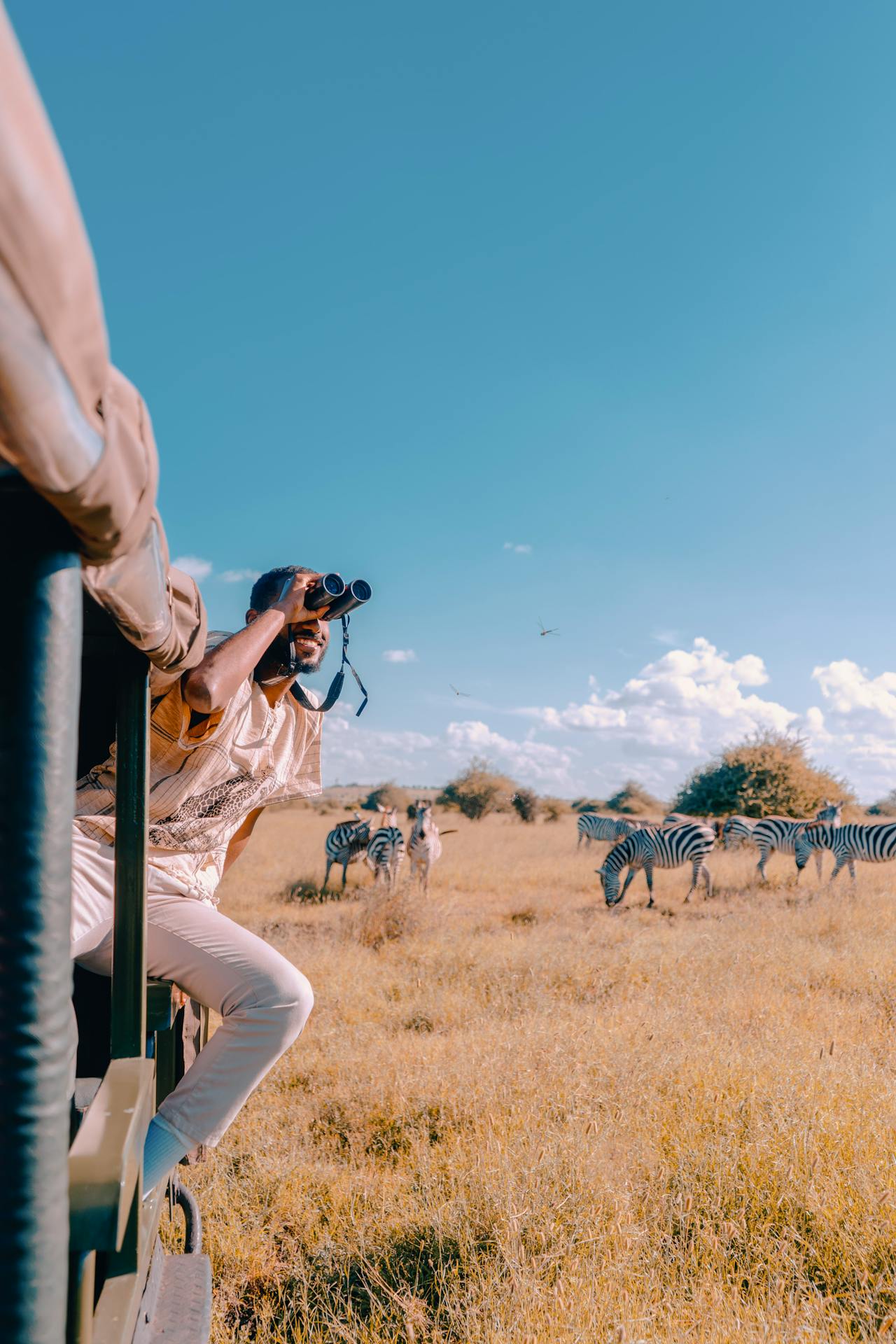
Even if your guide has a pair, bring your own.
Look for 8×42 or 10×42 models. They offer a great balance of brightness and magnification.
Camera and Photography Gear
A DSLR or mirrorless camera with a 200–400mm zoom lens works well. However, modern smartphones also perform surprisingly well.
Don’t forget:
- Extra batteries
- Extra memory cards
- Lens cleaning cloth
Dust is constant, so keep equipment protected.
Small Daypack
A lightweight backpack holds:
- Camera gear
- Sunscreen
- Extra layers
- Water bottle
You’ll use it daily.
Health and Safety Items
Health preparation is critical in any safari packing list for first-time travelers.
Sun Protection
Pack:
- SPF 30–50 sunscreen
- SPF lip balm
- After-sun lotion or aloe vera
The sun near the equator is intense year-round.
Insect Protection
Bring repellent containing DEET (30%+) or picaridin (20%).
In addition, after-bite treatment helps with itching.
For official travel health advice, consult the World Health Organization before departure.
Personal First Aid Kit
Include:
- Pain relievers
- Antihistamines
- Bandages and blister pads
- Anti-diarrhea medication
- Motion sickness tablets
- Personal prescriptions (clearly labeled)
Also pack hand sanitizer and wet wipes for bush lunches.
Electronics and Power
Safari camps may have limited electricity.
Therefore, bring:
- Universal travel adapter
- Power bank (10,000–20,000 mAh)
- Charging cables for all devices
A headlamp with red-light mode is also useful for navigating camps at night.
Travel Documents and Money
Never overlook paperwork.
Carry:
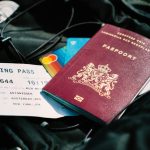
- Passport (valid 6+ months)
- Visa if required
- Travel insurance documents (with evacuation coverage)
- Vaccination certificate if needed
- Printed and digital itineraries
US dollars are widely accepted for tips and visas. Make sure bills are clean and issued after 2009.
Also keep photocopies of important documents separate from originals.
For United States citizens, you can verify visa rules on official government travel websites such as the Government travel website.
Luggage Tips for Beginners
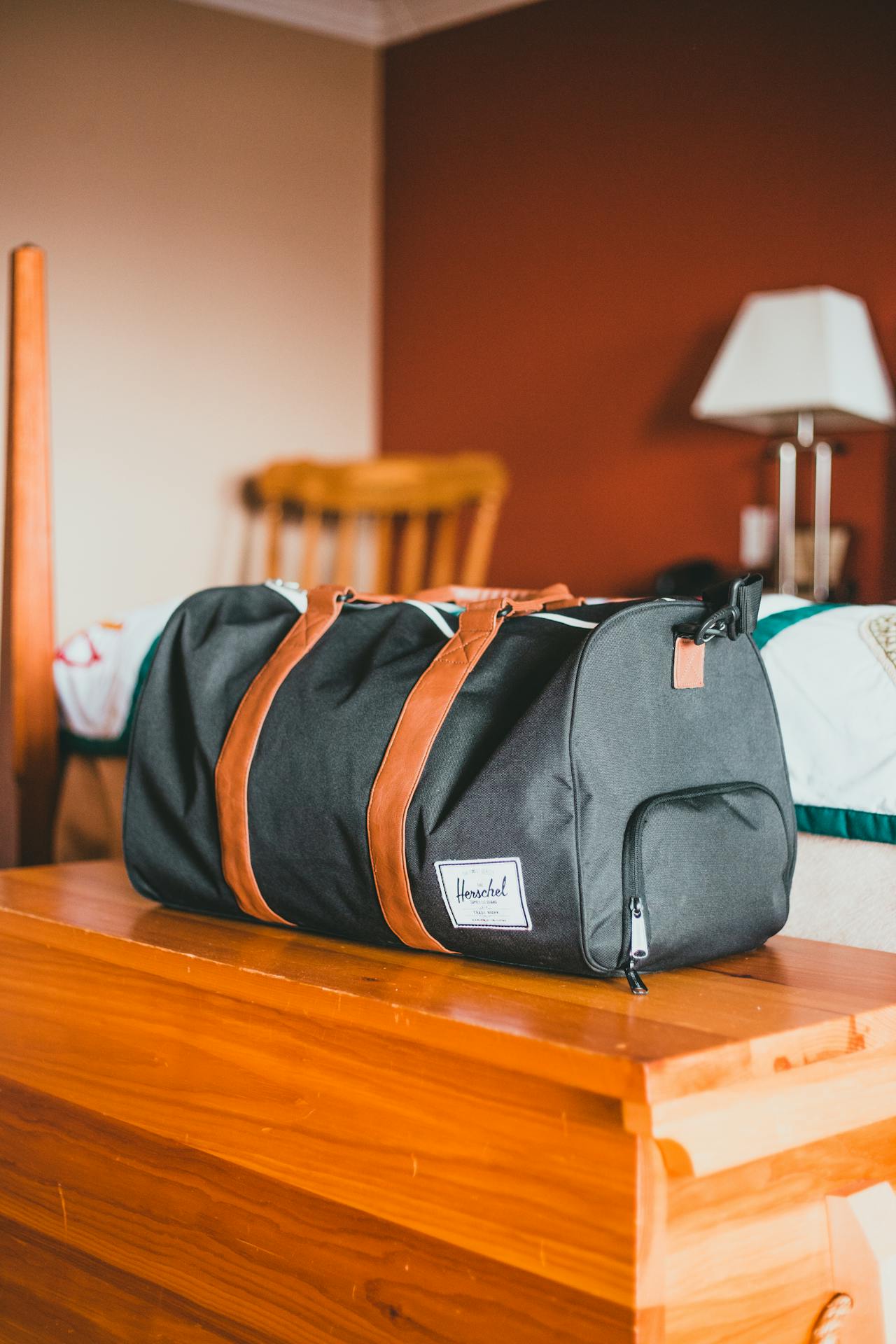
Most safari flights allow soft bags only.
Pack:
- 60–70L soft-sided duffel
- Small daypack
- Packing cubes for organization
In addition, many lodges offer laundry service. As a result, you can pack fewer clothes.
Toiletries: What You Actually Need
Safari camps usually provide basics.
Bring personal essentials:
- Toothbrush and toothpaste
- Deodorant
- Travel shampoo
- Wet wipes
- Hand sanitizer
Biodegradable products are environmentally responsible.
Optional but Helpful Items
These aren’t essential, but they add comfort:
- Travel journal
- Reusable water bottle
- Lightweight blanket
- Compact flashlight
What NOT to Pack on Safari
Avoid bringing:
- Camouflage clothing (restricted in several countries)
- Bright colors or white
- Drones (banned in most reserves)
- Valuable jewelry
- Hair dryers (usually provided)
- Plastic bags (banned in places like Kenya)
- Strong perfumes
Overpacking only creates stress.
Packing for Different Safari Seasons
Dry Season (Peak Wildlife Viewing)
Expect dust and low humidity.
Pack:
- Lip balm
- Extra moisturizer
- Sunglasses
Wet Season (Green Season)
Rain showers are common, but landscapes look stunning.
Bring:
- Lightweight waterproof jacket
- Quick-dry clothing
- Waterproof backpack cover
Safari Packing List for First-Time Travelers: Printable Checklist
Clothing
- Neutral shirts (short + long sleeve)
- Lightweight trousers
- Shorts
- Fleece or sweater
- Light rain jacket
- Walking shoes
- Sandals
- Hat
Gear
- Binoculars
- Camera + chargers
- Daypack
Health
- Sunscreen
- Insect repellent
- Medications
- First aid kit
Documents
- Passport
- Visa
- Insurance
- Vaccination records
Frequently Asked Questions About Safari Packing for First-Time Travelers
What should first-time safari travelers pack?
First-time safari travelers should pack lightweight neutral-colored clothing, comfortable walking shoes, sun protection, insect repellent, binoculars, travel documents, and a small first aid kit.
In addition, layering is important because safari temperatures change throughout the day. Mornings can be cold, while afternoons become very hot. Therefore, breathable clothing and a light fleece jacket work well.
A soft-sided duffel bag is also recommended because many safari flights have strict luggage restrictions.
What colors should you avoid on safari?
You should avoid bright colors, white clothing, camouflage, and dark blue or black items on safari.
Bright colors may distract or alarm wildlife. White clothing gets dusty quickly, while dark blue and black can attract tsetse flies in some parts of Africa.
Instead, choose neutral earth tones such as:
- Khaki
- Olive green
- Beige
- Brown
- Taupe
These colors blend naturally into the environment.
Do I need hiking boots for an African safari?
Most travelers do not need heavy hiking boots for a standard safari.
Game drives usually take place inside vehicles, so lightweight walking shoes or trail runners are often enough. However, if your trip includes walking safaris or mountain trekking, sturdy hiking boots become more important.
Comfort matters most. Therefore, always break in your shoes before traveling.
How much luggage can you take on safari flights?
Many small safari planes limit luggage to 15–20 kg (33–44 lbs), including hand luggage.
In addition, most safari airlines require soft-sided bags instead of hard-shell suitcases because storage space is limited.
Therefore, packing light is essential for safari travel.
Can you wear jeans on safari?
You can wear jeans, but they are not ideal for safari conditions.
Jeans are heavy, slow to dry, and uncomfortable in hot weather. They also become cold during early morning drives.
Instead, lightweight safari trousers or quick-dry travel pants are a better option.
Is camouflage clothing allowed in Africa?
Camouflage clothing is restricted or illegal for civilians in several African countries.
Because camouflage is associated with military uniforms, travelers should avoid wearing it to prevent problems with local authorities.
Neutral safari clothing works much better and keeps you within local regulations.
What is the best fabric for safari clothing?
The best safari clothing fabrics are lightweight, breathable, and quick-drying.
Popular choices include:
- Moisture-wicking synthetics
- Merino wool
- Nylon blends
- Lightweight cotton blends
These fabrics stay comfortable in changing temperatures and dry quickly after washing.
Do safari lodges provide laundry services?
Many safari lodges and camps offer laundry services, especially mid-range and luxury accommodations.
As a result, you can pack fewer clothes and travel lighter. However, some camps may not wash underwear due to cultural reasons.
It’s always smart to confirm laundry availability before your trip.
Should you bring binoculars on safari?
Yes, binoculars are one of the most important safari items.
Wildlife often appears far away, and binoculars dramatically improve the experience. Even if your guide carries a pair, having your own allows you to spot animals independently.
For beginners, 8×42 binoculars are usually the best choice.
What type of bag is best for safari travel?
A soft-sided duffel bag is the best luggage choice for safari travel.
Unlike hard-shell suitcases, soft bags fit easily into small safari aircraft cargo compartments.
Choose a lightweight duffel with strong handles and compression straps for easier transport.
Do you need insect repellent on safari?
Yes, insect repellent is essential for safari travel.
Mosquitoes are most active during sunrise and sunset game drives. Therefore, repellents containing DEET or picaridin provide the best protection.
Long-sleeve clothing also helps reduce insect bites.
What should you not bring on safari?
Avoid bringing:
- Hard-shell luggage
- Bright clothing
- Valuable jewelry
- Drones
- Plastic bags
- Strong perfumes
- Excess clothing
Overpacking creates unnecessary stress and makes travel less convenient.
Is a power bank necessary on safari?
Yes, a power bank is highly recommended.
Game drives often last several hours, and some safari camps have limited electricity. A portable charger keeps your phone, camera, and other devices powered throughout the day.
A 10,000–20,000 mAh power bank usually works well.
What medications should you pack for safari?
Travelers should pack personal prescription medications along with basic travel health essentials.
Recommended items include:
- Pain relievers
- Antihistamines
- Anti-diarrhea medication
- Motion sickness tablets
- Bandages and blister pads
In addition, carry medications in original packaging when possible.
What is the best season for safari travel?
The dry season is usually considered the best safari season because wildlife gathers around water sources and vegetation is thinner.
However, the green season also has advantages. Landscapes become lush, crowds are smaller, and prices are often lower.
The best time depends on your destination and travel goals.
Can you use a smartphone camera on safari?
Yes, modern smartphones can capture excellent safari photos.
However, a dedicated camera with a zoom lens provides better wildlife close-ups. If you use a phone, consider bringing a small portable tripod or zoom attachment for improved results.
Good lighting during sunrise and sunset also helps create stunning images.
How many outfits do you need for a 7–10 day safari?
Most travelers only need a small capsule wardrobe for a safari.
Because many lodges offer laundry services, you can usually manage with:
- 3–4 shirts
- 2–3 trousers
- 1 jacket or fleece
- 1 pair of walking shoes
Packing fewer items makes travel easier and helps meet flight weight limits.
Is sunscreen necessary on safari?
Yes, sunscreen is extremely important on safari.
The African sun is strong year-round, especially during long game drives in open vehicles. Choose SPF 30 or higher and reapply regularly throughout the day.
Lip balm with SPF is also helpful.
Do safari camps have electricity and Wi-Fi?
Many safari lodges provide electricity and Wi-Fi, but availability varies.
Luxury camps usually offer charging stations and internet access. However, remote camps may only run generators during certain hours.
Therefore, travelers should prepare for limited connectivity in some areas.
How can I pack lighter for safari travel?
To pack lighter:
- Use neutral mix-and-match clothing
- Choose quick-dry fabrics
- Limit shoes to two pairs
- Use packing cubes
- Take advantage of lodge laundry services
In addition, avoid packing “just in case” items you probably won’t use.
Internal Resources for Further Planning
You may also enjoy:
- Kenya beginner safari parks guide
- How to plan an African safari for beginners
- Safari Cash Planning Guide
These guides complement this beginner packing list and help you plan your full journey.
Final Thoughts: Pack Smart, Travel Light
Your first safari will likely become one of your most memorable adventures.
However, preparation determines how comfortable the experience feels.
By following this safari packing list for first-time travelers, you ensure:
- Comfort in changing weather
- Protection from sun and insects
- Efficient luggage management
- Peace of mind
Ultimately, safari travel is about immersion in nature.
Therefore, pack thoughtfully, focus on essentials, and leave room for wonder.
With smart preparation, you’ll be ready for breathtaking landscapes, close wildlife encounters, and memories that last a lifetime.
Safe travels.