
Travel feels different when you move through the airport with just one small bag. A smart carry-on packing guide can completely change the way you experience travel. Instead of waiting at baggage claim or worrying about lost luggage, you walk straight out and begin your trip immediately.
However, packing everything into one carry-on requires strategy. You need the right bag, a flexible wardrobe, and a clear understanding of airline rules. In this in-depth guide, you will learn how to choose luggage, maximize space, build a capsule wardrobe, stay compliant with security regulations, and avoid common packing mistakes.
By the end, you will know exactly how to pack lighter, smarter, and more efficiently for any trip.
Why a Smart Carry-On Packing Guide Changes Everything
Traveling with only a carry-on is not just about convenience. It is a practical strategy that saves time, money, and stress.
First, you avoid baggage claim lines. As a result, you leave the airport faster.
Second, you eliminate checked bag fees. Many airlines now charge for even the first checked bag. Therefore, carry-on travel can significantly reduce overall trip costs.
Most importantly, you remove the risk of lost luggage. According to data reported by the airline industry, mishandled bags remain a common source of traveler frustration. Keeping your belongings with you eliminates that concern entirely.
In addition, traveling light increases mobility. You can navigate stairs, public transportation, and cobblestone streets more easily. Consequently, your travel experience becomes more flexible and less exhausting.
Understanding Airline Carry-On Rules and Size Limits
Before packing, you must confirm your airline’s size requirements.
Most major airlines allow carry-on dimensions around 22 x 14 x 9 inches (56 x 36 x 23 cm). However, low-cost carriers and international airlines often enforce stricter limits.
Therefore, always check your airline’s official website before departure.
TSA Liquid Rules Explained
In the United States, the Transportation Security Administration enforces the 3-1-1 rule:
- Liquids must be in containers of 3.4 ounces (100 ml) or less
- All containers must fit inside one quart-sized clear bag
- Each traveler may carry only one such bag
Importantly, this rule applies to container size, not remaining liquid volume.
You can review the latest security guidance directly on the TSA’s official website. Always verify before international travel, as rules may differ.
Choosing the Right Carry-On Bag
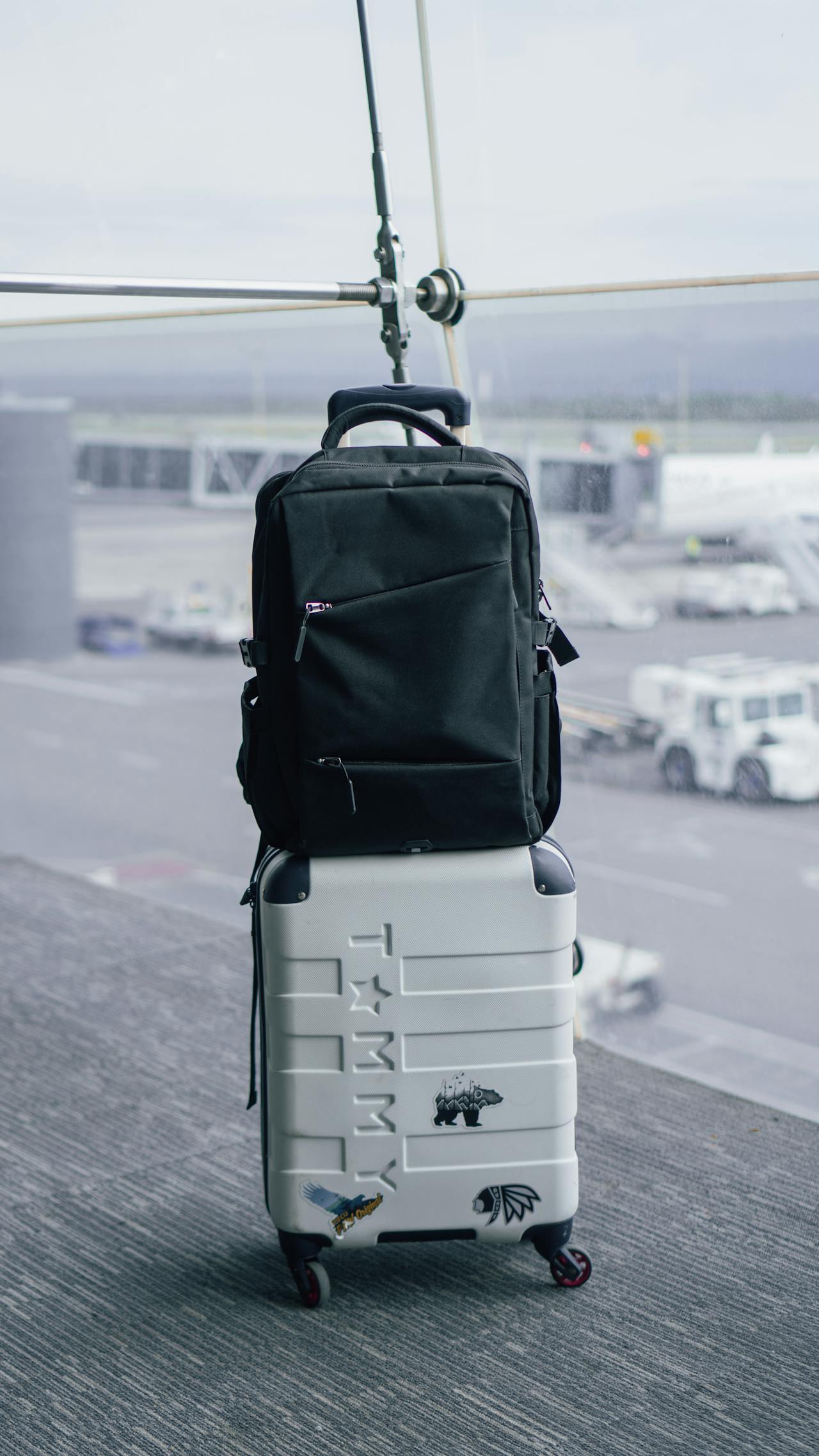
Your bag forms the foundation of your entire packing system. A poorly designed suitcase wastes space. A well-designed one simplifies everything.
Hard Shell vs. Soft Shell
Hard-shell luggage protects fragile items better. It also resists moisture. However, it offers less flexibility when space becomes tight.
Soft-shell luggage expands slightly and often includes external pockets. Therefore, many frequent travelers prefer soft-sided models for flexibility.
Wheels or Backpack?
Rolling luggage works best in airports and hotels. On the other hand, backpacks perform better on uneven streets and public transport.
Business travelers often choose wheeled bags. Adventure travelers frequently prefer backpacks. Choose based on your itinerary, not trends.
Smart Carry-On Packing Guide: Core Space-Saving Techniques
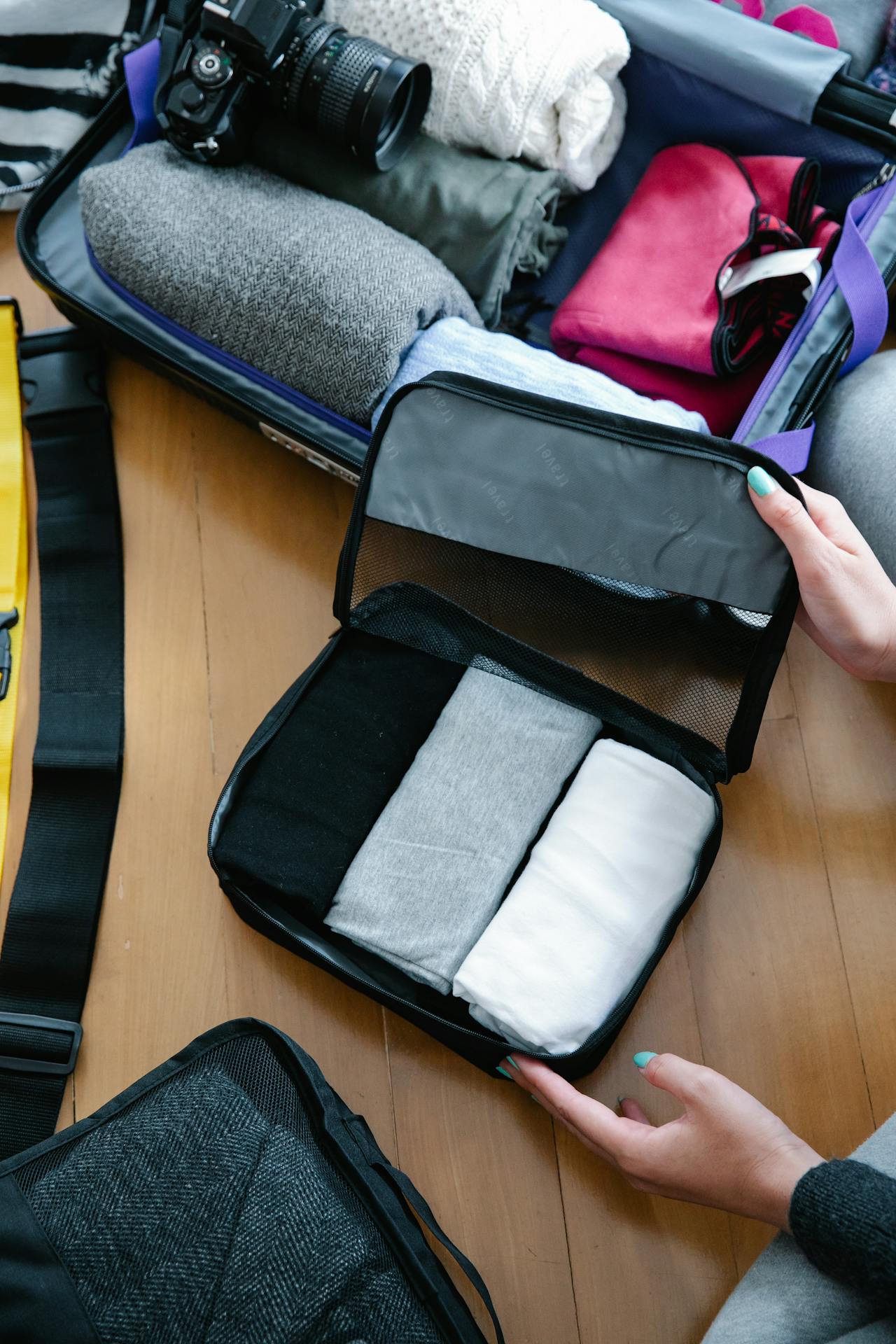
Efficient packing requires method, not guesswork.
Roll vs. Fold
Rolling works best for:
- T-shirts
- Casual dresses
- Leggings
- Sleepwear
Rolling reduces wrinkles and saves space.
Folding works better for:
- Blazers
- Dress shirts
- Structured trousers
For formalwear, use tissue paper to reduce crease lines.
The Layering Method
Think of your suitcase like a structured system:
- Bottom layer: Shoes and toiletry bag
- Middle layer: Rolled clothing
- Top layer: Folded items and easy-access clothing
As a result, weight distributes evenly, and fragile items stay protected.
Use Packing Cubes for Organization
Packing cubes create structure inside your bag. They:
- Separate clothing categories
- Reduce shifting during transit
- Speed up unpacking
Compression cubes go further by reducing bulk. This works especially well for sweaters or jackets.
Building a Capsule Wardrobe for Carry-On Travel
A capsule wardrobe focuses on versatility. Every piece should combine easily with others.
Choose a Cohesive Color Palette
Stick to two or three neutral colors:
- Black
- Navy
- Gray
- Beige
Then add one accent color.
For example, three tops and three bottoms can create nine outfit combinations. Therefore, you need fewer pieces overall.
Prioritize Versatile Clothing
Bring:
- 2–3 tops
- 2 bottoms
- 1 lightweight layer
- 1 dressier option
- Sleepwear
- Undergarments
Choose wrinkle-resistant fabrics when possible.
The Shoe Rule
Shoes take the most space. Limit yourself to:
- One pair worn during travel
- One versatile secondary pair
Wear the bulkier pair on the plane. Consequently, your bag stays lighter.
Toiletries Without Breaking the Rules
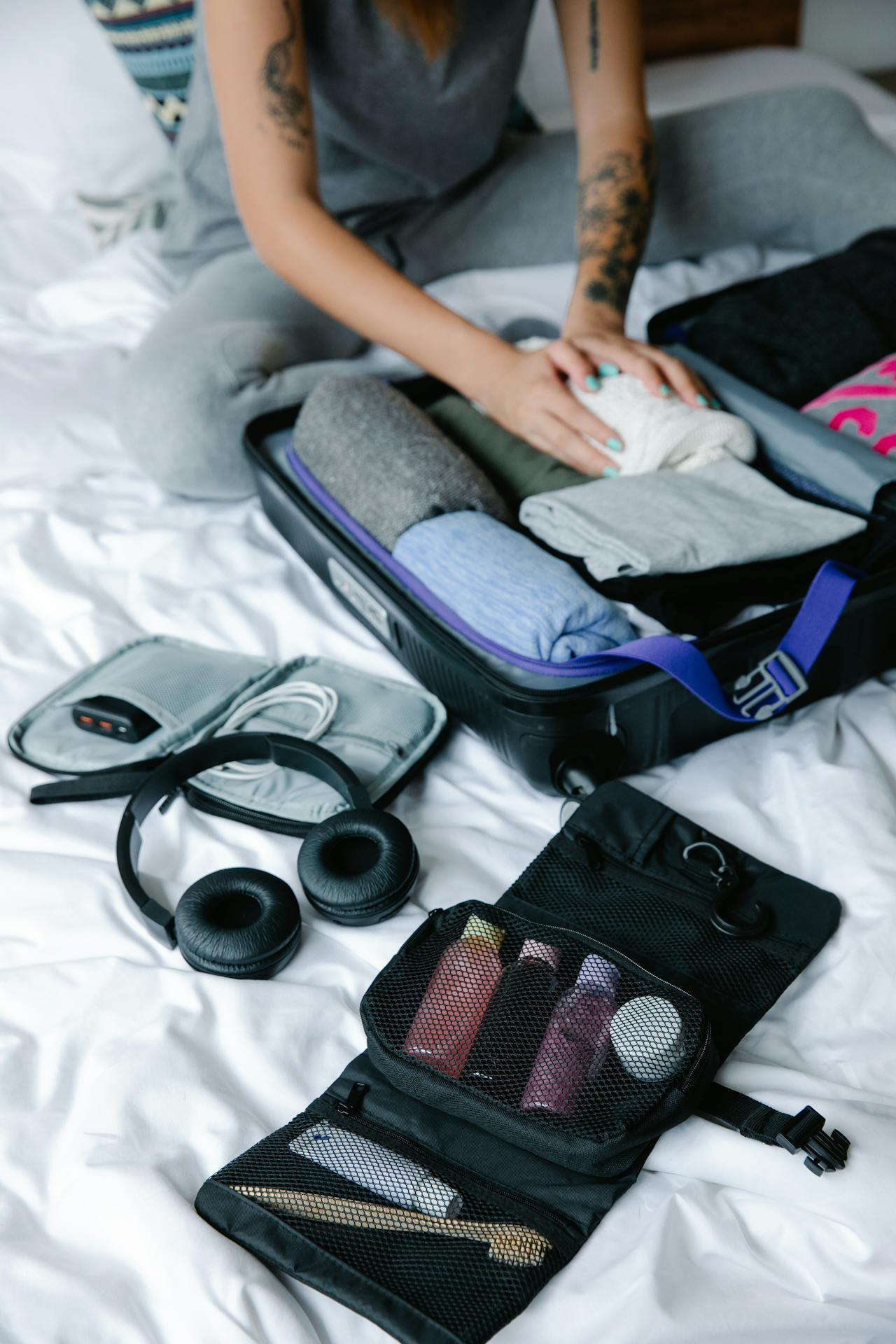
Toiletries cause the most security issues. However, smart planning prevents delays.
Switch to Solid Products
Solid shampoo, conditioner bars, and deodorant sticks do not count as liquids. Therefore, they bypass the 3-1-1 restriction.
Decant Into Travel Bottles
Transfer daily essentials into reusable 3.4 oz containers. Avoid bringing backups.
Hotels usually provide basic toiletries. Therefore, pack only what you truly need.
Tech Essentials and Cable Management
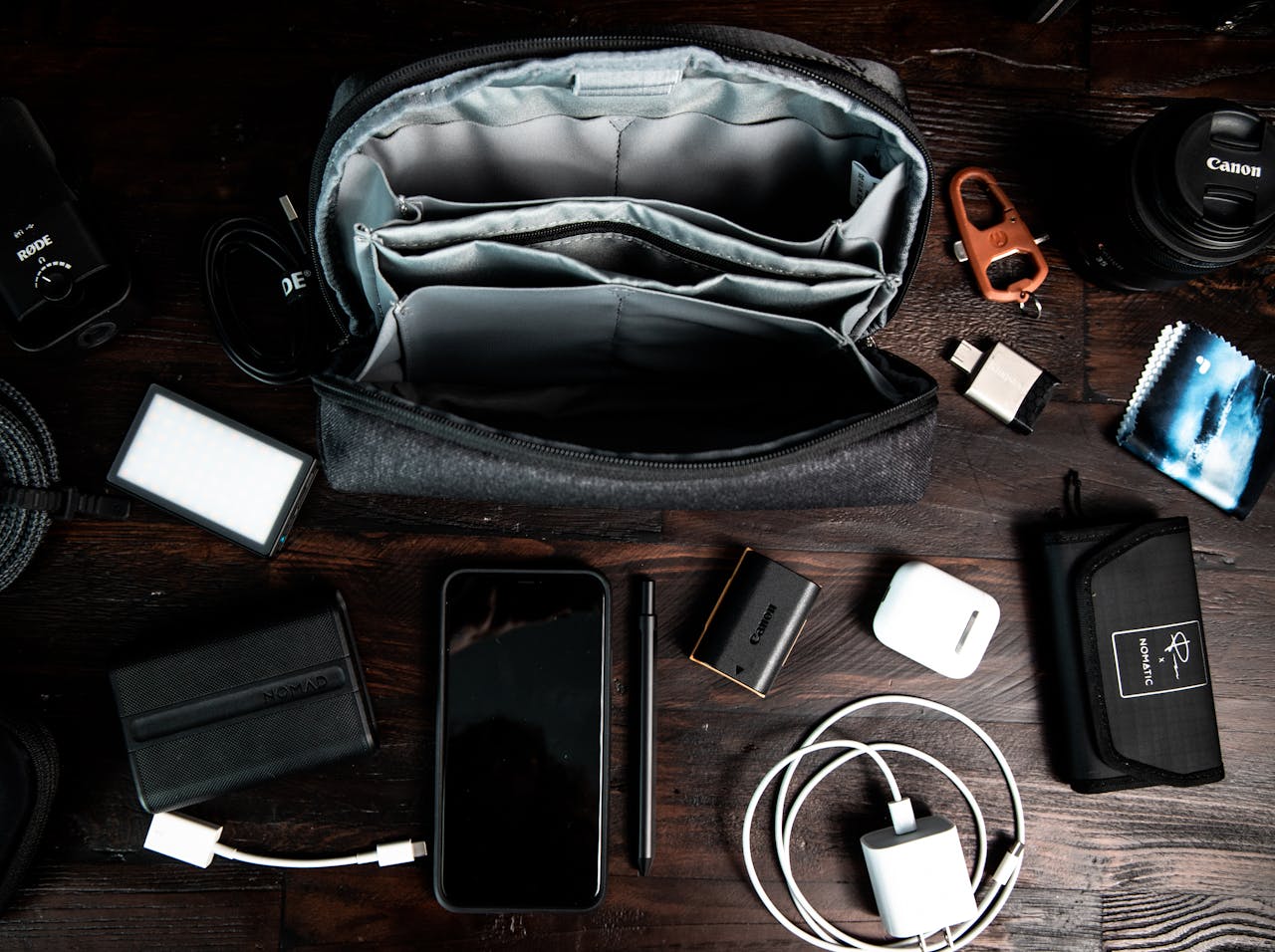
Modern travel requires digital preparation.
Bring:
- Phone charger
- Power bank
- Earbuds or headphones
- Universal adapter (for international trips)
Store everything in a small pouch. In addition, download boarding passes, maps, and entertainment before departure.
Lithium batteries must remain in your carry-on according to aviation safety regulations.
What to Pack in Your Personal Item
Your personal item acts as a secondary storage zone.
Keep these inside:
- Passport
- Wallet
- Boarding pass
- Medications
- Electronics
- One change of clothes (for long-haul trips)
If you must gate-check your main bag, you still have essentials.
Packing for Different Trip Types
Business Travel
Focus on wrinkle-resistant fabrics and neutral colors. Consider wearing your blazer during travel to reduce creasing.
Beach Vacations
Pack:
- Swimwear
- Lightweight sandals
- Quick-dry clothing
Leave heavy towels at home.
Cold Weather Trips
Layering is critical.
Bring:
- Thermal base layer
- Mid-layer sweater
- Packable insulated jacket
Wear bulky coats during transit.
Common Carry-On Packing Mistakes
Avoid these frequent errors:
- Packing “just in case” clothing
- Bringing full-size liquids
- Overpacking shoes
- Ignoring airline size limits
- Forgetting laundry plans
Instead, pack intentionally.
The Minimalist Travel Mindset
Minimalist travel does not mean sacrifice. It means efficiency.
When you carry less:
- You move faster
- You stress less
- You focus more on experiences
Over time, your packing system becomes refined. After each trip, remove items you did not use.
Helpful Resources
For up-to-date security rules, consult the Transportation Security Administration.
For airline-specific dimensions, always review your carrier’s official website.
You may also find these related guides helpful:
Frequently Asked Questions
What is allowed in a carry-on bag?
Most airlines allow travelers to bring clothing, electronics, toiletries, medications, books, snacks, and personal items inside a carry-on bag. However, airport security rules limit certain items.
Liquids must follow the 3-1-1 rule:
- Containers must be 3.4 ounces (100 ml) or smaller
- All liquids must fit inside one clear quart-sized bag
- Each passenger gets one liquids bag
You can usually bring:
- Laptops and tablets
- Phone chargers and power banks
- Makeup and skincare products
- Disposable razors
- Prescription medications
- Snacks and empty water bottles
However, prohibited items often include:
- Large liquid containers
- Straight razors
- Large scissors
- Flammable items
- Certain sports equipment
Always review your airline and airport security rules before departure because regulations vary internationally.
How do I pack everything into a carry-on only?
The secret is strategic packing, not fewer essentials.
Start by building a capsule wardrobe with versatile clothing that mixes easily. Stick to neutral colors so every item works together.
Then use these space-saving techniques:
- Roll casual clothing instead of folding
- Use packing cubes for organization
- Wear bulky shoes and jackets during travel
- Limit yourself to two pairs of shoes
- Use travel-size toiletries
In addition, pack by outfit instead of by individual item. This prevents unnecessary duplicates.
Most travelers discover they need far fewer clothes than expected.
Is rolling clothes better than folding?
For most clothing, yes.
Rolling saves space and reduces wrinkles in softer fabrics like:
- T-shirts
- Leggings
- Jeans
- Casual dresses
However, folding works better for structured garments such as:
- Blazers
- Dress shirts
- Formal trousers
The best approach combines both methods. Roll casual clothes and fold delicate or structured items carefully.
What size carry-on bag do airlines allow?
Most airlines allow carry-on bags around:
22 x 14 x 9 inches (56 x 36 x 23 cm)
However, low-cost airlines and international carriers may enforce stricter limits.
Weight restrictions also vary. Some airlines focus only on dimensions, while others weigh carry-on luggage at check-in.
Therefore, always confirm size requirements directly with your airline before packing.
What should I never pack in checked luggage?
Important and valuable items should always stay with you.
Keep these in your carry-on or personal item:
- Passport and travel documents
- Wallet and credit cards
- Medications
- Electronics
- Chargers and power banks
- Jewelry
- One change of clothes
If checked luggage gets delayed or lost, you still have essentials available.
How many outfits do I need for a one-week trip?
For most one-week trips, you only need:
- 3–4 tops
- 2–3 bottoms
- 1 lightweight layer
- Undergarments and socks
- One dressier outfit if necessary
Because clothing can be reworn and mixed differently, you do not need a separate outfit for every day.
In addition, many hotels and rentals provide laundry access.
What are the best shoes for carry-on travel?
The best travel shoes combine comfort, versatility, and lightweight design.
Ideal options include:
- Comfortable sneakers
- Lightweight walking shoes
- Neutral-colored casual shoes
Avoid packing multiple bulky shoes. Instead, choose one pair that works for walking, airports, and casual dining.
Wear the heaviest pair during transit to save suitcase space.
Are packing cubes really worth it?
Yes, especially for carry-on travelers.
Packing cubes help:
- Organize clothing categories
- Compress bulky items
- Speed up unpacking
- Prevent messy suitcases
Compression packing cubes provide even more space savings by squeezing excess air out of clothing.
Frequent travelers often consider packing cubes essential.
How do I avoid wrinkles when packing?
Wrinkles happen less when clothes are packed tightly and correctly.
To reduce wrinkles:
- Roll soft fabrics
- Fold formalwear carefully
- Use packing cubes
- Place tissue paper between delicate garments
- Avoid overstuffing your bag
You can also hang clothing in the bathroom during a hot shower to release minor wrinkles naturally.
Can I bring toiletries in my carry-on?
Yes, but liquid toiletries must follow airline security rules.
Allowed items include:
- Shampoo
- Lotion
- Toothpaste
- Makeup
- Face wash
Each container must stay under 3.4 ounces (100 ml).
Alternatively, solid toiletries like shampoo bars and deodorant sticks avoid liquid restrictions entirely.
How do I pack for cold weather in a carry-on?
Cold-weather packing depends on layering.
Instead of packing thick clothing, bring:
- Thermal base layers
- Lightweight sweaters
- A packable insulated jacket
- Warm socks and gloves
Wear your heaviest coat and boots during travel.
This strategy keeps your suitcase manageable while still preparing you for colder temperatures.
What is the best carry-on luggage for international travel?
The best carry-on luggage depends on your travel style.
For business travel:
- Lightweight rolling suitcase
- Laptop compartment
- Hard-shell durability
For adventure travel:
- Travel backpack
- Water-resistant materials
- Comfortable shoulder support
Look for:
- Airline-compliant dimensions
- Durable wheels or straps
- Multiple compartments
- Lightweight construction
A heavy suitcase reduces your available packing weight.
How can I travel with only one bag for two weeks?
Longer trips require smarter planning, not larger luggage.
To travel for two weeks with one carry-on:
- Choose versatile clothing
- Rewear outfits strategically
- Wash clothes during the trip
- Limit shoes
- Use packing cubes
- Bring compact toiletries
Most experienced travelers pack for one week and simply repeat outfits.
What is the biggest mistake travelers make when packing?
The most common mistake is packing “just in case” items.
People often bring:
- Extra shoes
- Too many outfits
- Full-size toiletries
- Unused gadgets
As a result, bags become heavy and disorganized.
Instead, pack intentionally and realistically. Focus on what you will definitely use.
Is carry-on-only travel worth it?
For many travelers, absolutely.
Carry-on-only travel helps you:
- Skip baggage claim
- Avoid checked bag fees
- Move faster through airports
- Reduce travel stress
- Keep valuables with you
In addition, lighter travel often feels more freeing and flexible.
Once travelers get used to it, many never return to checked luggage unless absolutely necessary.
Final Thoughts: Travel Lighter, Travel Smarter
Mastering a smart carry-on packing guide takes practice. However, the rewards are immediate.
You skip baggage claim.
You avoid lost luggage.
You save money.
You travel with greater freedom.
Start with one short trip. Refine your system afterward. Over time, packing light becomes second nature.
When you step off the plane with everything you need in one small bag, travel feels different. It feels efficient. It feels intentional. And most importantly, it feels free.