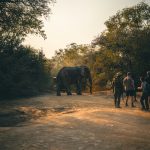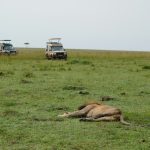
Planning a trip across Africa is exciting. However, without a structured financial plan, costs can quickly become overwhelming. A daily travel budget breakdown for Africa helps you estimate realistic expenses, manage your money wisely, and travel without financial stress.
In this complete guide, you will learn how to calculate accommodation, food, transportation, activities, insurance, and hidden costs across African destinations. In addition, you will see real-world budget examples for different travel styles. By the end, you will know how to build a clear, flexible daily travel cost estimate that fits your goals and destination.
What Is a Daily Travel Budget Breakdown?
A daily travel budget breakdown is a structured estimate of how much you expect to spend per day during your trip.
Instead of focusing only on the total cost, you divide expenses into manageable categories. As a result, you gain control and flexibility.
Typically, your daily travel expense breakdown includes:
- Accommodation
- Food and drinks
- Transportation
- Activities and sightseeing
- Travel insurance
- Miscellaneous and contingency
Therefore, if one category increases, you can adjust another without losing control of your overall budget.
Why a Daily Travel Budget Breakdown for Africa Matters
Africa is diverse. For example, daily costs in Nairobi differ significantly from those in Cape Town or Marrakech.
A clear daily travel budget breakdown for Africa helps you:
- Avoid overspending early in your trip
- Compare destinations accurately
- Travel longer on the same budget
- Reduce money-related stress
- Make confident booking decisions
In short, budgeting does not restrict your adventure. Instead, it protects it.
Understanding Travel Costs Across Africa
Africa offers both budget-friendly regions and premium destinations.
More Affordable Regions
- East Africa (Kenya, Tanzania, Uganda)
- Parts of North Africa (Morocco, Egypt)
- Southern Africa outside major cities
More Expensive Areas
- Luxury safari zones
- Private game reserves
- Upscale urban districts
- Remote eco-lodges
Therefore, destination selection strongly influences your per-day travel expense breakdown.
Accommodation: Your Largest Daily Expense
Accommodation typically consumes the biggest share of your daily travel budget breakdown.
Average Accommodation Costs in Africa
Budget Traveler
- $10–$40 per night
- Hostels, guesthouses, budget hotels
Mid-Range Traveler
- $50–$450 per night
- Boutique hotels, quality Airbnbs
Luxury Traveler
- $450+ per night
- Safari lodges, resorts, private villas
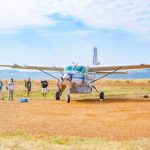
Luxury safari stays near Serengeti National Park can significantly increase your daily travel cost estimate.
How to Reduce Accommodation Costs
- Share rooms with travel partners
- Stay slightly outside city centers
- Book early during peak safari seasons
- Combine budget stays with short luxury splurges
As a result, you maintain comfort while protecting your overall daily budget.
Food and Drinks: Managing Daily Essentials
Food expenses vary widely across Africa.
Typical Daily Food Budget
- Budget: $10–$25
- Mid-range: $30–$60
- Luxury: $80+
For example, street food in Nairobi or Zanzibar is affordable. Meanwhile, fine dining in Cape Town can rival European prices.
To compare restaurant costs globally, you can consult external databases such as Numbeo (anchor text example: global cost-of-living database).
Smart Food Budgeting Strategies
- Eat where locals eat
- Choose lunch specials
- Buy groceries for breakfast
- Carry a refillable water bottle
Therefore, you reduce daily expenses without missing authentic culinary experiences.
Transportation Costs Per Day
Transportation includes local buses, taxis, domestic flights, and intercity travel.
Average Daily Transport Budget in Africa
- Budget: $5–$15
- Mid-range: $20–$50
- Luxury: $60+
In cities like Nairobi, ride-hailing apps can be affordable. However, safari transfers and domestic flights increase daily averages.
Ways to Cut Transport Costs
- Use shared minibuses or matatus
- Book trains early
- Avoid airport taxi markups
- Walk in safe, central areas
As a result, your daily travel budget breakdown for Africa remains realistic.
Activities and Sightseeing
Experiences define your trip. However, they can significantly impact your daily travel expense breakdown.
Typical Activity Costs
- National park entry: $20–$100
- Guided safari: $100–$500+
- Cultural tours: $20–$100
- Museum entry: $5–$20
For instance, visiting Victoria Falls requires entry fees. In contrast, exploring local markets is usually free.
Balancing Paid and Free Experiences
- Visit public beaches
- Explore markets and neighborhoods
- Use free walking tours
- Research free museum days
Therefore, you maximize value without overspending.
Travel Insurance and Health Costs
Travel insurance protects you against medical emergencies, delays, and lost luggage.
Organizations such as the World Health Organization recommend travel preparedness, especially for international trips.
Average Insurance Cost
- Short trips: $3–$10 per day
- Long trips: Lower average per day
In addition, certain African countries may require vaccinations or health documentation. Therefore, include these expenses in your daily travel budget breakdown.
For broader guidance, consult the official website of the World Health Organization (anchor text: global health travel guidance).
Hidden Costs You Must Include
Hidden expenses often derail budgets. Therefore, always build a contingency buffer.
Common overlooked costs:
- Visa fees
- SIM cards
- ATM withdrawal charges
- Currency exchange spreads
- Tips
- Souvenirs
As a rule, add 10–15% to your estimated daily travel cost. This buffer provides peace of mind.
Sample Daily Travel Budget Breakdown for Africa
Budget Backpacker (East Africa Example)
- Accommodation: $20
- Food: $25
- Transport: $20
- Activities: $120
- Miscellaneous: $50
Total: $235 per day
Mid-Range Traveler (South Africa Example)
- Accommodation: $150
- Food: $70
- Transport: $50
- Activities: $100
- Miscellaneous: $50
Total: $420 per day
Luxury Safari Traveler
- Accommodation: $500
- Food: Included
- Transport: $280
- Activities: $420
- Miscellaneous: $300
Total: $1500 per day
These examples show how lifestyle dramatically changes your per-day travel expense breakdown.
The Three-Layer Rule for Smarter Budgeting
Think of your daily travel budget breakdown for Africa in three layers:
- Foundation Layer – Fixed costs like accommodation and pre-booked tours
- Flexible Layer – Daily spending on food and transport
- Contingency Layer – Emergency or unexpected opportunities
As a result, you maintain control without feeling restricted.
How to Create Your Own Daily Travel Budget Breakdown for Africa
Follow this structured process:
- Research accommodation first
- Estimate food costs realistically
- Review local transport systems
- List must-do attractions
- Add insurance and visa fees
- Include a 10–15% buffer
Therefore, you build a data-driven plan rather than relying on guesswork.
Tools to Track Your Travel Spending
Tracking improves awareness and prevents overspending.
Consider:
- Google Sheets
- Travel expense apps
- Budgeting software
- Currency exchange monitoring tools
In addition, update your expenses daily. Small corrections prevent major financial stress later.
Common Budgeting Mistakes to Avoid
- Underestimating safari costs
- Ignoring small daily purchases
- Forgetting airport transfers
- Skipping emergency funds
- Overbooking paid tours
However, careful planning and real-time adjustments solve most problems quickly.
Internal Resources for Smarter Planning
To refine your planning, explore related guides:
- International Travel Documents Checklist
- African safari packing mistakes to avoid
- Kenya Visa Requirements Guide
These internal resources complement your daily travel budget breakdown strategy.
Frequently Asked Questions About Daily Travel Budget Breakdown
How much should I budget per day for travel?
The amount you should budget per day depends on where you are traveling, your travel style, and what activities you plan to do.
A basic estimate looks like this:
Budget travel
- Africa: $40–$80 per day
- Shared hostels, local food, public transport
Mid-range travel
- Africa: $100–$250 per day
- Comfortable hotels, restaurants, taxis, paid attractions
Luxury travel
- Africa: $300–$1,000+ per day
- Resorts, safari lodges, private tours, premium transport
For example, traveling through Kenya or Tanzania on a backpacker budget will cost much less than staying in a luxury safari lodge in Masai Mara National Reserve.
Therefore, the best daily budget is the one based on your destination and personal travel style.
What is included in a daily travel budget breakdown?
A daily travel budget breakdown usually includes every expense you may pay during a trip.
Most travelers include:
- Accommodation
- Food and drinks
- Local transportation
- Activities and sightseeing
- Travel insurance
- Visa fees
- Internet or SIM card
- Souvenirs
- Emergency fund
In addition, many travelers also include airport transfers, tips, laundry, bottled water, and unexpected purchases.
The goal is to estimate your real daily travel cost, not just your hotel or flight.
How do I calculate my daily travel budget?
The easiest method is:
Step 1
Add your expected trip expenses:
- Hotels
- Meals
- Transport
- Activities
- Insurance
- Miscellaneous
Step 2
Add 10–15% extra as a contingency fund.
Step 3
Divide the total by the number of days you are traveling.
Formula:
Total Trip Cost ÷ Number of Travel Days = Daily Travel Budget
Example:
If your trip costs $2,100 for 10 days:
$2,100 ÷ 10 = $210 per day
That becomes your target daily spending amount.
How much money do I need per day to travel in Africa?
Africa can be very affordable or very expensive depending on destination and style.
Average daily costs:
Travel Style | Daily Budget |
Budget Backpacker | $40–$80 |
Mid-Range Traveler | $100–$250 |
Luxury Traveler | $300–$1,000+ |
For example:
Kenya and Tanzania can be affordable for independent travelers, but safari packages can quickly raise the cost.
Meanwhile, countries like Morocco and Uganda can offer excellent value for budget-conscious travelers.
What is the biggest travel expense on most trips?
For most travelers, accommodation is usually the largest daily expense.
Hotels, lodges, or rentals often take the biggest share of a travel budget.
After accommodation, the next highest expenses are often:
- Food
- Transportation
- Activities
However, on safari trips across Africa, activities and park fees can sometimes cost more than accommodation.
How much should I budget for food per day while traveling?
Food costs vary by destination.
Average daily estimates:
Budget
$10–$20
Mid-range
$25–$60
Luxury
$80+
Street food in places like Nairobi can be inexpensive, while fine dining in Cape Town costs much more.
A helpful way to save is:
- Eat breakfast from grocery stores
- Have lunch as your main meal
- Mix local restaurants with occasional special dinners
How can I save money while traveling without missing out?
Saving money while traveling does not mean sacrificing the experience.
You can save by:
- Booking accommodation early
- Traveling in shoulder season
- Using public transport
- Eating where locals eat
- Booking activities in advance
- Walking more
- Carrying a reusable water bottle
- Mixing free and paid attractions
For example, exploring markets, beaches, neighborhoods, and public parks often creates some of the best memories—and many are free.
Should I carry cash or use a card while traveling?
The best option is to use both.
Carry cash for:
- Small purchases
- Markets
- Tips
- Local taxis
- Rural destinations
Use cards for:
- Hotels
- Flights
- Online bookings
- Restaurants
- Larger payments
In many African destinations, cash remains important, especially outside major cities.
Therefore, having both gives you flexibility.
How much emergency money should I keep while traveling?
A good rule is to keep 10–20% of your total travel budget as emergency money.
This helps cover:
- Medical emergencies
- Lost luggage
- Last-minute transport
- Booking changes
- Unexpected fees
Example:
Trip budget = $2,000
Emergency fund = $200–$400
This money gives you peace of mind and reduces stress while traveling.
What is the best app to track travel expenses?
Many travelers use apps to monitor spending daily.
Popular options include:
- Google Sheets
- Trail Wallet
- TravelSpend
- YNAB
- Splitwise for group travel
The best app is simply the one you will actually update every day.
Even a notebook works if you track spending consistently.
Is it better to plan a travel budget before booking?
Yes—absolutely.
Budgeting before booking helps you:
- Choose the right destination
- Avoid overspending
- Compare hotel options
- Decide how long to travel
- Plan activities realistically
Without a budget, it is easy to spend too much early and feel stressed later.
A simple daily travel budget breakdown gives you control from the start.
How much extra money should I add to my travel budget?
Most travel experts recommend adding 10–15% extra beyond your planned budget.
This covers hidden costs like:
- ATM fees
- Currency conversion fees
- Tips
- Snacks
- Transport delays
- Extra baggage fees
- Small unexpected purchases
As a result, you travel with less stress and more flexibility.
Final Thoughts: Travel Africa with Financial Confidence
A structured daily travel budget breakdown for Africa transforms uncertainty into clarity. Instead of worrying about money, you focus on wildlife encounters, cultural experiences, and unforgettable landscapes.
Travel should feel empowering, not stressful. Therefore, invest time in planning your daily travel cost estimate before departure. When you understand your numbers, you gain flexibility and control.
With research, discipline, and smart tracking, you can explore Africa confidently — one well-budgeted day at a time.