Planning an African safari is exciting—but choosing the right destination can feel overwhelming. This Amboseli Safari Guide 2026 helps you cut through the noise and focus on one of Kenya’s most iconic wildlife parks. From close-up elephant encounters beneath Mount Kilimanjaro to clear breakdowns of safari prices, seasons, and itineraries, this guide walks you through every step of planning your Amboseli adventure. Whether you’re a first-time visitor or returning for better photography and deeper wildlife experiences, you’ll find practical tips, honest cost expectations, and expert insights to help you travel smarter and avoid common mistakes.
Amboseli National Park is one of Africa’s most photographed safari destinations. Thanks to its open plains and permanent swamps, wildlife viewing remains excellent throughout the year. In addition, its accessibility from Nairobi makes it ideal for short or extended safari trips.
Let’s explore how to plan the perfect Amboseli adventure.
Where Is Amboseli National Park and Why Is It Special?
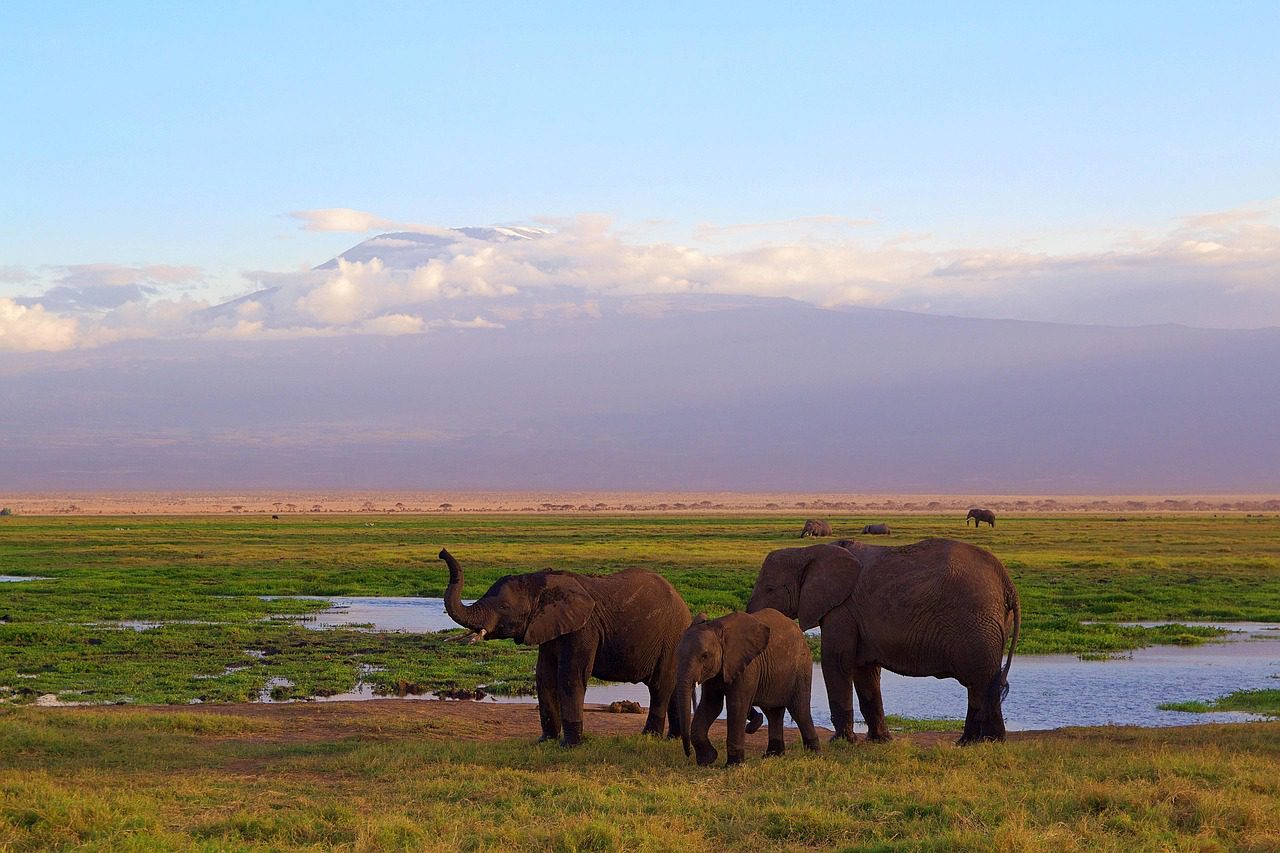
Amboseli National Park sits in southern Kenya, close to the Tanzania border and directly opposite Mount Kilimanjaro. Although Kilimanjaro is technically in Tanzania, it dominates the Amboseli skyline on clear mornings.
So, what makes this park unique?
- World-Class Elephant Viewing
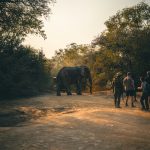
Amboseli is famous for massive elephant herds, including rare “big tuskers.” The long-running Amboseli Elephant Research Project has made these elephants well studied and relatively comfortable around vehicles. As a result, sightings often feel intimate yet respectful.
- Iconic Kilimanjaro Backdrop
Early mornings frequently reveal snow-capped Kilimanjaro rising above golden grasslands. Therefore, photographers consistently rank Amboseli among Africa’s best scenic safari parks.
- Open Landscapes
Unlike densely forested parks, Amboseli’s terrain is open and flat. Consequently, wildlife spotting becomes easier, especially for first-time safari travelers.
- Accessibility from Nairobi
Amboseli lies roughly 4–5 hours by road from Nairobi. In addition, daily flights connect from Wilson Airport, making it ideal for 2–3-night safaris.
Wildlife You’ll See in This Amboseli Safari Guide 2026
Wildlife viewing remains the heart of any Amboseli safari.
The Elephants of Amboseli
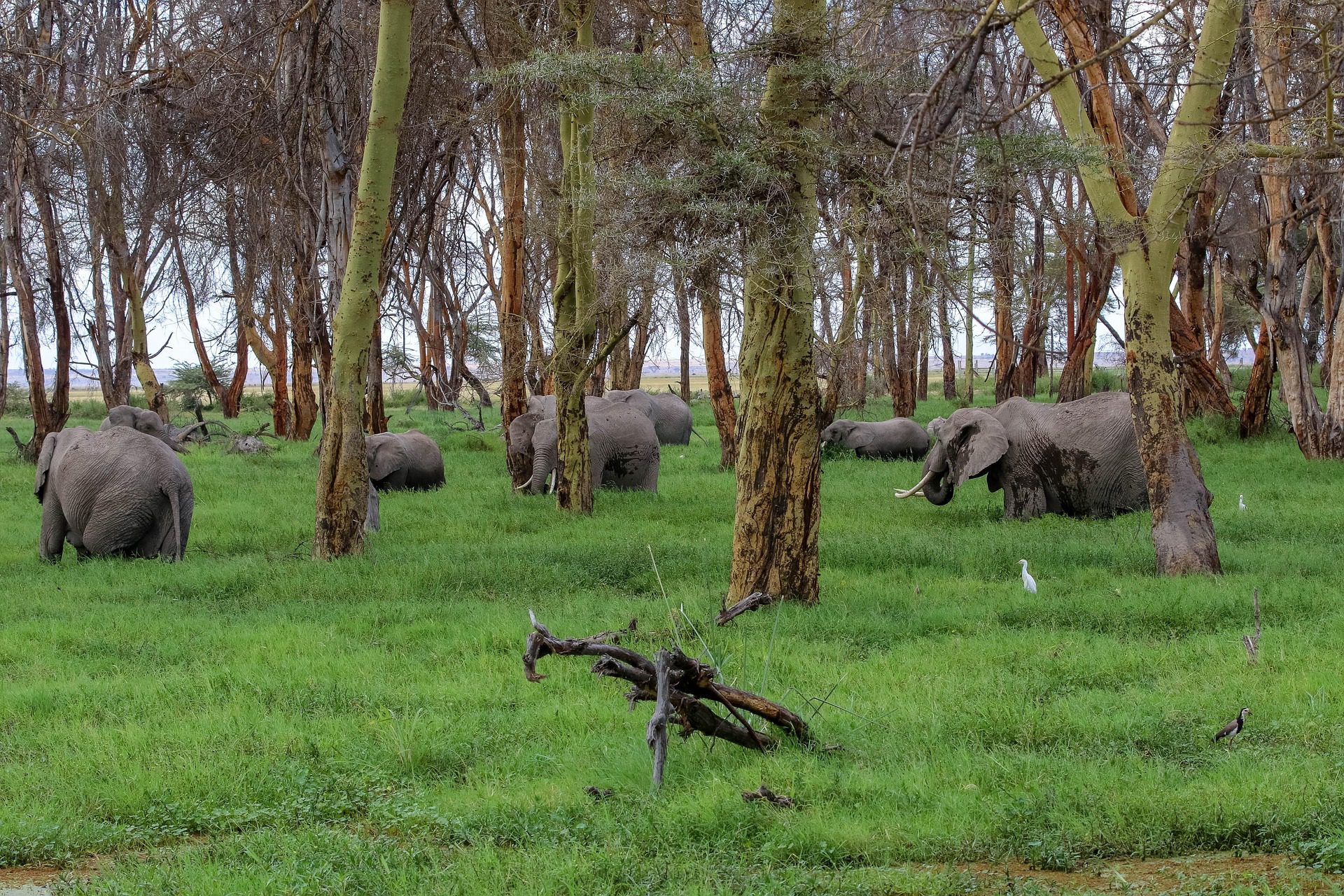
Elephants are the park’s undisputed stars. You’ll often see entire families crossing plains or gathering in swamps such as Enkongo Narok and Longinye. Because water is reliable year-round, elephants remain resident rather than migratory.
Predators and Big Game
In addition to elephants, you may encounter: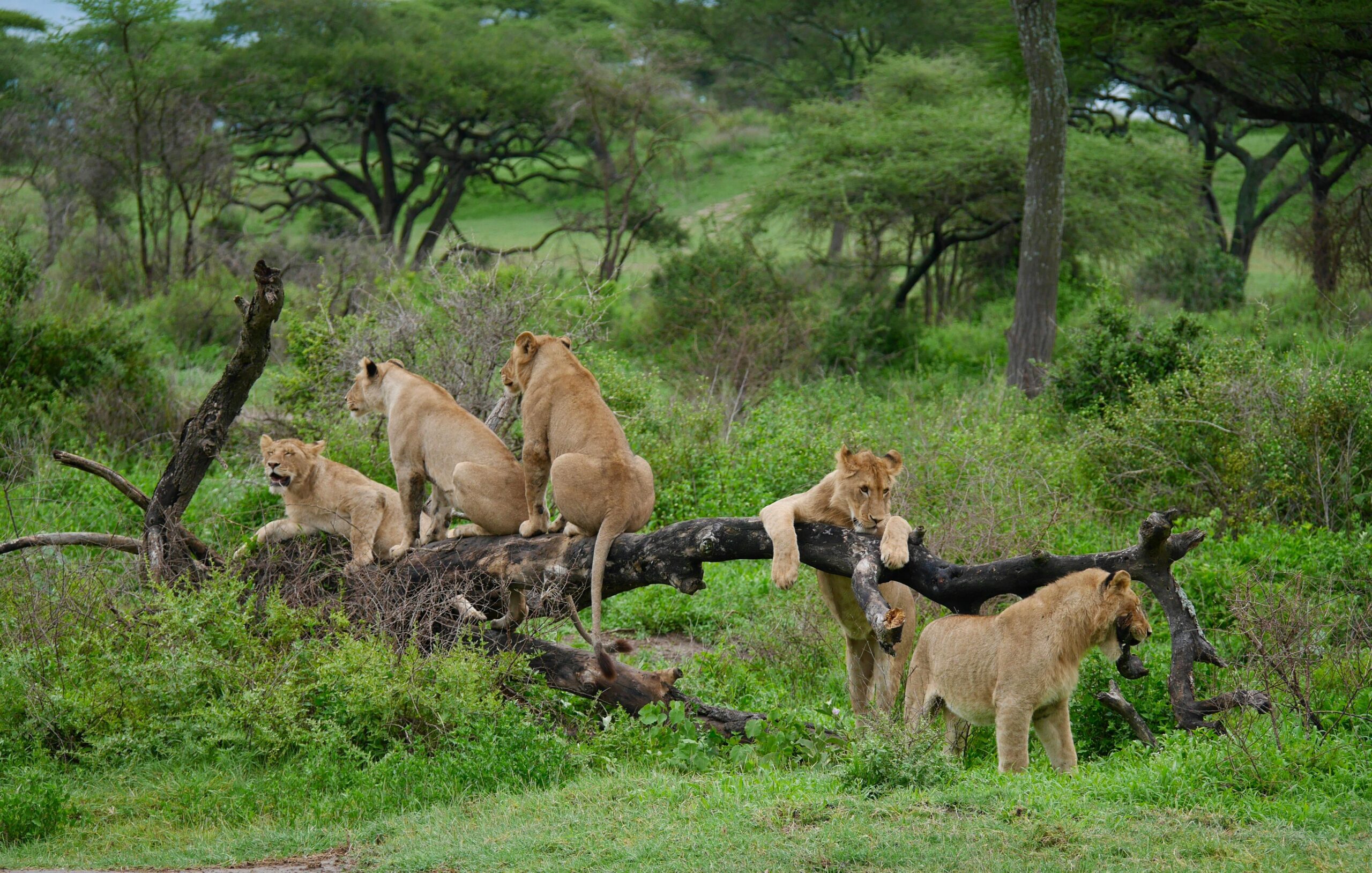
- Lions resting in acacia shade
- Cheetahs scanning open plains
- Spotted hyenas
- African buffalo
- Maasai giraffes
- Zebras and wildebeest
Although rhinos are absent, predator sightings remain consistent during dry months.
Birdlife (Over 400 Species)
Amboseli also attracts serious birders. Example of birds:
- African fish eagles
- Flamingos and pelicans
- Saddle-billed storks
- Lilac-breasted rollers
During the wet season, migratory birds increase species diversity significantly.
Best Time to Visit: Seasonal Breakdown
Choosing the best season dramatically shapes your experience. Therefore, this Amboseli Safari Guide 2026 breaks it down clearly.
Dry Season (June–October & January–February)
Best for: Maximum wildlife visibility and clear Kilimanjaro views
- Animals gather around water
- Vegetation becomes sparse
- Roads remain accessible
- Skies stay clearer in early mornings
However, this is peak season. As a result, accommodation rates increase and early booking becomes essential.
Wet / Green Season (March–May & November–December)
Best for: Budget travel, birding, and lush scenery
- Dramatic skies and green landscapes
- Fewer tourists
- Lower lodge rates
- Excellent birdwatching
On the other hand, wildlife disperses slightly due to abundant water. In addition, Kilimanjaro often hides behind clouds later in the day.
Month-by-Month Highlights
| Month | What to Expect |
| Jan–Feb | Warm, dry, newborn wildlife |
| Mar–May | Long rains, lush scenery, best prices |
| Jun–Oct | Peak dry season, excellent game viewing |
| Nov–Dec | Short rains, strong birding season |
For official seasonal updates and park rules, refer to Kenya Wildlife Service.
Amboseli Best Time to Visit Overview
| Season | Months | Wildlife Viewing | Kilimanjaro Visibility | Prices | Crowds |
| Long Dry Season | June–October | Excellent | Very High (mornings) | High | High |
| Short Dry Season | January–February | Excellent | High | Moderate–High | Moderate |
| Long Rains | March–May | Fair–Good | Low | Low | Very Low |
| Short Rains | November–December | Good | Moderate | Moderate | Low |
Amboseli Safari Prices (2026 Estimates)
Safari costs vary by comfort level, season, and transport style.
Park Entry Fees (Non-Residents)
- Adults: Approx. $90 per day
- Children: Approx. $45 per day
(Always confirm via official Kenya Wildlife Service channels.)
Amboseli Safari Cost Guide (Per Person, Per Day)
| Category | Price Range | Accommodation | Vehicle Type | Best For |
| Budget | $200–$300 | Basic tented camp | Shared van | Backpackers |
| Mid-Range | $350–$600 | Comfortable lodge | 4×4 Land Cruiser | Couples & families |
| Luxury | $700–$1500+ | Premium camp/lodge | Private 4×4 or fly-in | Honeymooners |
Most packages include:
- Accommodation (full board)
- Game drives
- Park fees
- Professional guide
Usually excluded:
- International flights
- Tips
- Drinks
- Travel insurance
Optional Safari Activities
Amboseli offers more than standard game drives.
Hot Air Balloon Safari
Costs: $450–$650 per person
You float above plains at sunrise, followed by a bush breakfast.
Maasai Village Visit
Costs: $20–$50
You learn about traditional pastoralist culture and purchase authentic crafts.
Walking & Night Safaris
Not allowed inside the main park. However, nearby conservancies such as Tawi or Elerai offer guided walking safaris and night drives.
How Long Should You Stay?
- 2 Nights: Enough for highlights
- 3 Nights: Balanced and relaxed
- 4+ Nights: Ideal for photographers
In addition, many travelers combine Amboseli with Maasai Mara or Tsavo for a broader Kenya safari.
How to Get to Amboseli
By Road
4–5 hours from Nairobi via Maasai countryside. Affordable and scenic.
By Air
45–60 minute flight from Wilson Airport to Amboseli Airstrip. Faster but more expensive.
Therefore, road transfers suit budget travelers, while flights appeal to luxury guests.
Sample 3-Day Amboseli Safari Itinerary
Day 1: Nairobi → Amboseli → Afternoon game drive
Day 2: Early morning drive → Midday rest → Evening safari
Day 3: Sunrise drive → Breakfast → Return to Nairobi
This itinerary balances wildlife viewing with rest.
What to Pack for an Amboseli Safari
- Neutral clothing (khaki, beige)
- Warm fleece (mornings are cold)
- Hat and sunscreen
- Insect repellent
- Binoculars
- Camera with zoom lens
- Waterproof jacket (wet season)
Packing smartly improves comfort significantly.
What to Pack for Amboseli Safari
| Item | Why You Need It | Season Priority |
| Warm Jacket | Cold early mornings | June–August |
| Sunscreen | Strong equatorial sun | Year-round |
| Insect Repellent | Mosquito protection | Wet season |
| Binoculars | Better wildlife spotting | Year-round |
| Waterproof Jacket | Rain showers | March–May & November |
Photography Tips
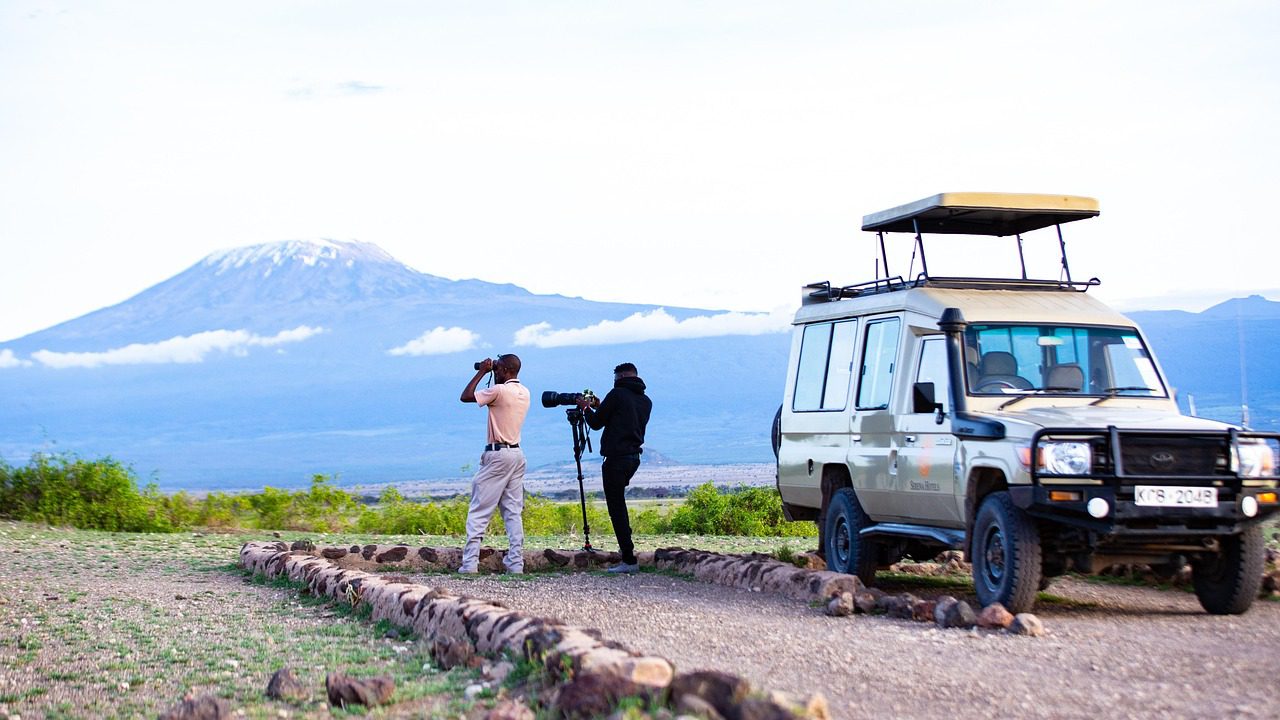
- Shoot at sunrise for Kilimanjaro clarity
- Use elephants as foreground subjects
- Keep shutter speed high for movement
- Carry lens cloth (dust is common)
Because landscapes are open, even beginners capture dramatic images.
Responsible Travel in Amboseli
Sustainable tourism protects wildlife long-term.
Please:
- Stay inside vehicles
- Avoid feeding animals
- Follow park speed limits
- Choose eco-friendly lodges
- Book licensed operators
Learn more about conservation at the official Kenya Wildlife Service website.
Amboseli vs Other Kenya Parks: Which Should You Choose?
Choosing the right safari destination depends on your priorities. While Amboseli delivers unforgettable elephant encounters and dramatic scenery, other Kenyan parks offer different strengths. Therefore, understanding the differences helps you design a safari that matches your expectations.
Amboseli vs Maasai Mara
Maasai Mara National Reserve is Kenya’s most famous safari destination. It is globally known for the Great Migration and high predator density.
Choose Amboseli if you want:
- Close-up elephant photography
- Clear views of Mount Kilimanjaro
- Shorter safari trips from Nairobi
- Open landscapes with easy wildlife spotting
Choose Maasai Mara if you want:
- The Great Migration (July–October)
- Higher density of big cats
- Greater chances of spotting leopards
- Larger ecosystem diversity
Amboseli offers iconic scenery and elephant encounters. However, Maasai Mara delivers more dramatic predator action. Many travelers combine both for a balanced safari experience.
Amboseli vs Tsavo
Tsavo National Park (East and West) is much larger than Amboseli and offers a wilder, more remote atmosphere.
Amboseli advantages:
- Higher wildlife concentration in smaller area
- Easier game viewing for beginners
- Kilimanjaro backdrop
Tsavo advantages:
- Fewer vehicles
- Rugged landscapes and lava flows
- Red-dust elephants
- Longer, more adventurous safaris
If you prefer structured and reliable wildlife sightings, Amboseli is ideal. However, if you want scale and wilderness, Tsavo may suit you better.
Amboseli vs Lake Nakuru
Lake Nakuru National Park is famous for rhinos and flamingos.
Amboseli strengths:
- Elephants and large open plains
- Kilimanjaro scenery
- Strong elephant research legacy
Lake Nakuru strengths:
- Reliable rhino sightings
- Flamingo flocks (seasonal)
- Compact park with easy game drives
If your goal is rhino conservation and birdlife, Nakuru is excellent. However, for elephants and dramatic landscapes, Amboseli remains unmatched.
Amboseli vs Maasai Mara vs Tsavo
| Feature | Amboseli | Maasai Mara | Tsavo |
| Famous For | Elephants & Kilimanjaro | Great Migration | Vast wilderness |
| Predator Density | Moderate | Very High | Moderate |
| Landscape | Open plains, swamps | Rolling savannah | Rugged & volcanic |
| Crowd Levels | Moderate | High (peak season) | Low |
| Best For | Photography & elephants | Big cats | Off-the-beaten-path |
| Trip Length | 2–3 nights ideal | 3–4 nights ideal | 3–5 nights |
Best Lodges in Amboseli by Budget
Accommodation choice directly affects your safari experience. Below are recommended properties categorized by budget level.
Budget Options
AA Lodge Amboseli
Located near the park gate, AA Lodge offers affordable rooms and tented options. It provides swimming pools, restaurant facilities, and reliable safari coordination.
Best for:
- Budget-conscious travelers
- Group safaris
- Short stays
Mid-Range Options
Kibo Safari Camp
One of the most popular mid-range camps in Amboseli. It offers spacious en-suite tents, Kilimanjaro views, and strong service standards.
Best for:
- Couples
- Families
- First-time safari travelers
Amboseli Sopa Lodge
Set within acacia woodland, this lodge offers large rooms and landscaped gardens. Wildlife sometimes wanders close to the property.
Best for:
- Relaxed safari atmosphere
- Longer stays
Luxury Options
Amboseli Serena Safari Lodge
Positioned inside the park with exceptional Kilimanjaro views. Rooms feature Maasai-inspired décor and panoramic vistas.
Best for:
- Premium comfort
- Scenic photography
- Fly-in safaris
Elewana Tortilis Camp
Located in a private conservancy bordering the park, Tortilis offers exclusivity, fine dining, and eco-conscious operations.
Best for:
- Honeymooners
- Luxury travelers
- Conservation-focused visitors
Amboseli Conservancies: A More Exclusive Safari Experience
Beyond the national park boundaries lie private conservancies such as Tawi and Elerai. These areas offer experiences not permitted inside the park.
Advantages of conservancies:
- Night game drives
- Walking safaris
- Fewer safari vehicles
- More flexible activities
- Greater privacy
Unlike the main park, conservancies allow guided walking safaris led by trained rangers. Therefore, you gain deeper understanding of tracks, plants, and ecosystem details.
In addition, night drives reveal nocturnal species such as genets, bush babies, and aardvarks. This expands your wildlife checklist significantly.
For travelers seeking exclusivity and fewer crowds, conservancies add significant value.
Amboseli Weather & Climate Guide
Amboseli has a semi-arid climate with strong temperature variation between day and night.
Temperature Overview
- Daytime: 24°C–30°C (75°F–86°F)
- Early mornings: 8°C–12°C (46°F–54°F) during dry season
Therefore, layered clothing is essential year-round.
Rainfall Patterns
- Long rains: March–May
- Short rains: November–December
During rainy months, landscapes turn green and dust decreases. However, muddy roads may affect mobility.
Dust & Wind
Because Amboseli is dry for much of the year, dust can be significant. Carrying lens wipes and sunglasses improves comfort.
Sample 3-Day Amboseli Safari Cost Breakdown
Understanding total trip cost improves planning accuracy.
Below is an example mid-range breakdown (per person):
- Park fees (3 days): $270
- Lodge (2 nights mid-range): $700
- Transport (shared 4×4): $300
- Guide services: Included
- Tips: $60
- Optional Maasai visit: $30
- Miscellaneous expenses: $140
Estimated total: $1,500
Luxury fly-in options may exceed $2,500 per person. Budget group safaris may reduce total cost to around $800–$1,000.
How to Choose a Reliable Safari Company
Selecting the right operator ensures safety and quality.
- Confirm Licensing
Ensure the operator is registered with the Kenya Tourism Regulatory Authority. Licensed operators follow strict standards.
- Vehicle Type Matters
Choose a 4×4 Land Cruiser over a standard van for better off-road performance and comfort.
- Guide Experience
Ask about guide certification and years of experience. A knowledgeable guide dramatically improves wildlife sightings.
- Transparent Pricing
Reliable companies clearly outline:
- Park fees
- Accommodation type
- Included meals
- Hidden costs
Avoid operators that provide vague pricing.
- Reviews & Reputation
Check multiple review platforms. Consistent positive feedback signals professionalism.
- Insurance & Safety
Ensure the operator carries passenger liability insurance. Additionally, confirm emergency evacuation procedures.
By carefully evaluating operators, you protect both your investment and your safety.
Frequently Asked Questions (FAQ)
Is Amboseli good for first-time safari travelers?
Yes. Wildlife visibility is high, and distances between sightings are short.
Can I see Mount Kilimanjaro every day?
Not always. However, early mornings during dry season offer the best chance.
Is Amboseli safe?
Yes, especially when traveling with licensed operators.
What is the best month overall?
July to September offer the most consistent wildlife sightings.
Can I combine Amboseli with other parks?
Absolutely. Many itineraries link Amboseli with Maasai Mara, Tsavo, or Lake Nakuru.
Is Amboseli worth visiting compared to Maasai Mara?
Yes, but for different reasons. Amboseli is best known for its close-up elephant encounters and Mount Kilimanjaro backdrop. In contrast, Maasai Mara offers larger predator density and the Great Migration. Therefore, Amboseli is ideal for scenery and elephants, while Maasai Mara is better for big-cat action.
How many days are enough for Amboseli?
Most travelers spend 2–3 nights. Two nights allow you to see elephants and enjoy multiple game drives. However, three nights provide a more relaxed pace and better photography opportunities.
What makes Amboseli elephants special?
Amboseli is home to some of Africa’s largest remaining “big tuskers.” In addition, the elephants are well-studied and accustomed to safari vehicles. As a result, sightings often feel intimate and natural.
Can I see the Big Five in Amboseli?
You can see four of the Big Five:
- Elephant
- Lion
- Buffalo
- Leopard (rare but possible)
However, rhinos are not present in Amboseli National Park.
What is the best time of day for game drives?
Early morning drives (6:00–9:00 AM) are usually the most productive. Wildlife is more active, temperatures are cooler, and Kilimanjaro is often visible before clouds build up.
Evening drives also offer excellent golden light for photography.
Is Amboseli suitable for families with children?
Yes. Because wildlife is easy to spot and distances are short, children stay engaged. Many lodges also offer family tents or interconnected rooms. However, age restrictions may apply for walking safaris in nearby conservancies.
How cold does it get in Amboseli?
Mornings and evenings can feel surprisingly chilly, especially from June to August. Temperatures may drop below 10°C (50°F) at dawn. Therefore, packing a warm fleece or jacket is essential.
Do I need a visa to visit Kenya?
Most travelers require a Kenya eVisa before arrival. You should apply online in advance. In addition, your passport must be valid for at least six months beyond your travel date.
Always confirm requirements before travel.
Are malaria precautions necessary?
Amboseli lies in a malaria-risk area. Therefore, consult your doctor before travel about antimalarial medication. In addition, use insect repellent and sleep under mosquito nets provided by lodges.
Is Wi-Fi available in Amboseli lodges?
Many mid-range and luxury lodges offer Wi-Fi in common areas. However, connection speeds may be slow or unreliable. Budget camps often have limited or no connectivity.
Can I self-drive in Amboseli?
Yes, self-driving is allowed. However, some roads can be sandy or muddy during rainy months. Therefore, a 4×4 vehicle is strongly recommended, especially in wet season.
Are drones allowed in Amboseli National Park?
No. Drones are prohibited in all Kenyan national parks without special authorization from the government. Violating this rule can lead to heavy fines.
What currency should I bring?
US dollars (new series notes, printed after 2009) are widely accepted for safari payments. However, Kenyan Shillings are useful for small purchases and tips.
Is tipping expected on an Amboseli safari?
Yes, tipping is customary though not mandatory. Typical guidelines:
- Driver-guide: $10–$20 per person per day
- Lodge staff (shared tip box): $5–$10 per day
Always tip based on service quality.
Can I combine Amboseli with Tanzania?
Yes. Amboseli sits near the Tanzania border. Therefore, many travelers combine it with Serengeti or Ngorongoro Crater. However, border crossing logistics require proper planning and visa arrangements.
Is Amboseli crowded?
During peak season (July–September), popular elephant sightings can attract multiple vehicles. However, the park remains less crowded than Maasai Mara. Visiting in January–February or November reduces traffic significantly.
What type of safari vehicle is best?
A 4×4 Land Cruiser with a pop-up roof offers better comfort and performance than a standard safari van. This becomes especially important during rainy months when roads are muddy.
Is Amboseli good for photography beginners?
Yes. Because the terrain is open and wildlife is predictable, even beginners capture strong images. In addition, Kilimanjaro creates dramatic backgrounds without complex positioning.
What happens if Kilimanjaro is hidden by clouds?
Cloud cover is common, especially in wet months. However, early mornings provide the best chance for clear views. Staying at least two nights increases your chances significantly.
Are there luxury safari options in Amboseli?
Yes. Luxury fly-in safaris include premium lodges, private guides, gourmet meals, and personalized service. These experiences cost more but offer higher comfort and exclusivity.
Do I need travel insurance?
Yes. Comprehensive travel insurance that covers medical evacuation is strongly recommended. Safari locations are remote, and emergency evacuation can be expensive.
Internal Resources
For deeper planning, explore:
Final Thoughts
This Amboseli Safari Guide 2026 demonstrates why the park remains one of Kenya’s most rewarding safari destinations. With reliable elephant encounters, dramatic Kilimanjaro views, and options for every budget, Amboseli delivers a complete African wildlife experience in just a few days.
Whether you travel during peak dry season or lush green months, careful planning ensures better sightings, smoother logistics, and stronger value for money. Use this guide to select your season, define your budget, and design a safari that matches your travel style.
Amboseli is not just a park—it is Kenya’s elephant country under Africa’s tallest mountain.