African safari packing mistakes to avoid is something every first-time traveler should learn before boarding their flight.
Planning an African safari is thrilling. You imagine lions at sunrise, elephants crossing dusty plains, and sunsets over endless savannahs. However, many travelers make one costly error: they pack the wrong things.
As a result, they struggle with luggage limits, carry unused gear, or bring items that cause discomfort in the bush.
This guide explains exactly what not to pack for safari travel, why these items create problems, and what smarter alternatives work better. In addition, you’ll learn how to respect wildlife, comply with park regulations, and move easily between camps.
Whether you’re visiting Kenya, Tanzania, or Southern Africa, this article will help you pack lighter, travel smarter, and enjoy your safari fully.
Why Packing Light Matters on Safari
Before reviewing African safari packing mistakes to avoid, it helps to understand safari logistics.
Most itineraries involve:
- Small charter aircraft with strict weight limits
- Safari vehicles with limited storage
- Remote lodges powered by solar or generators
- Dusty roads and frequent transfers
Therefore, bulky luggage quickly becomes a burden.
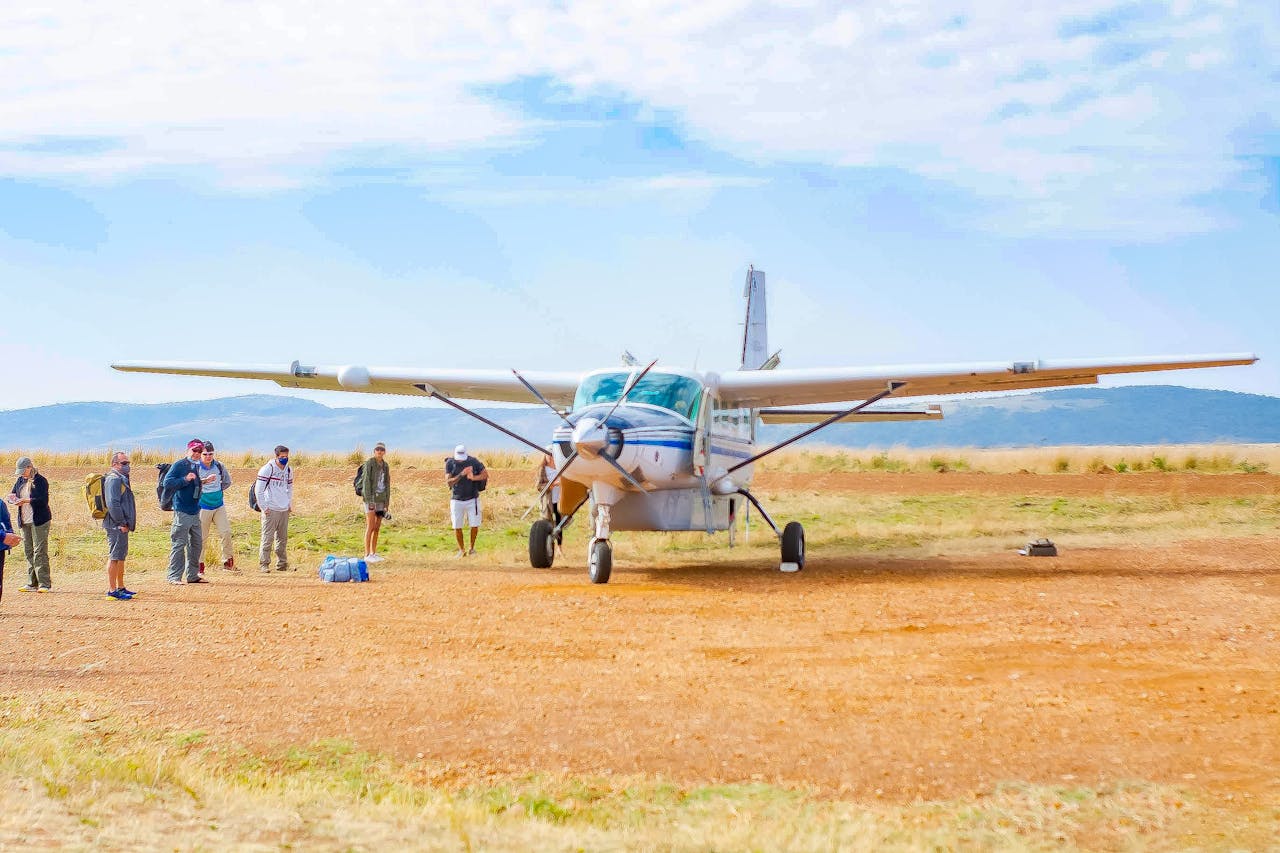
Most bush flights allow 15–20 kg (33–44 lbs) per person, including hand luggage. Hard-shell suitcases often don’t fit in cargo pods and may be rejected outright.
Moreover, camp rooms are compact. Extra gear clutters your space and slows every transfer.
As a result, packing smart directly improves comfort, mobility, and peace of mind.
African Safari Packing Mistakes to Avoid (Essential List)
Hard-Shell Suitcases
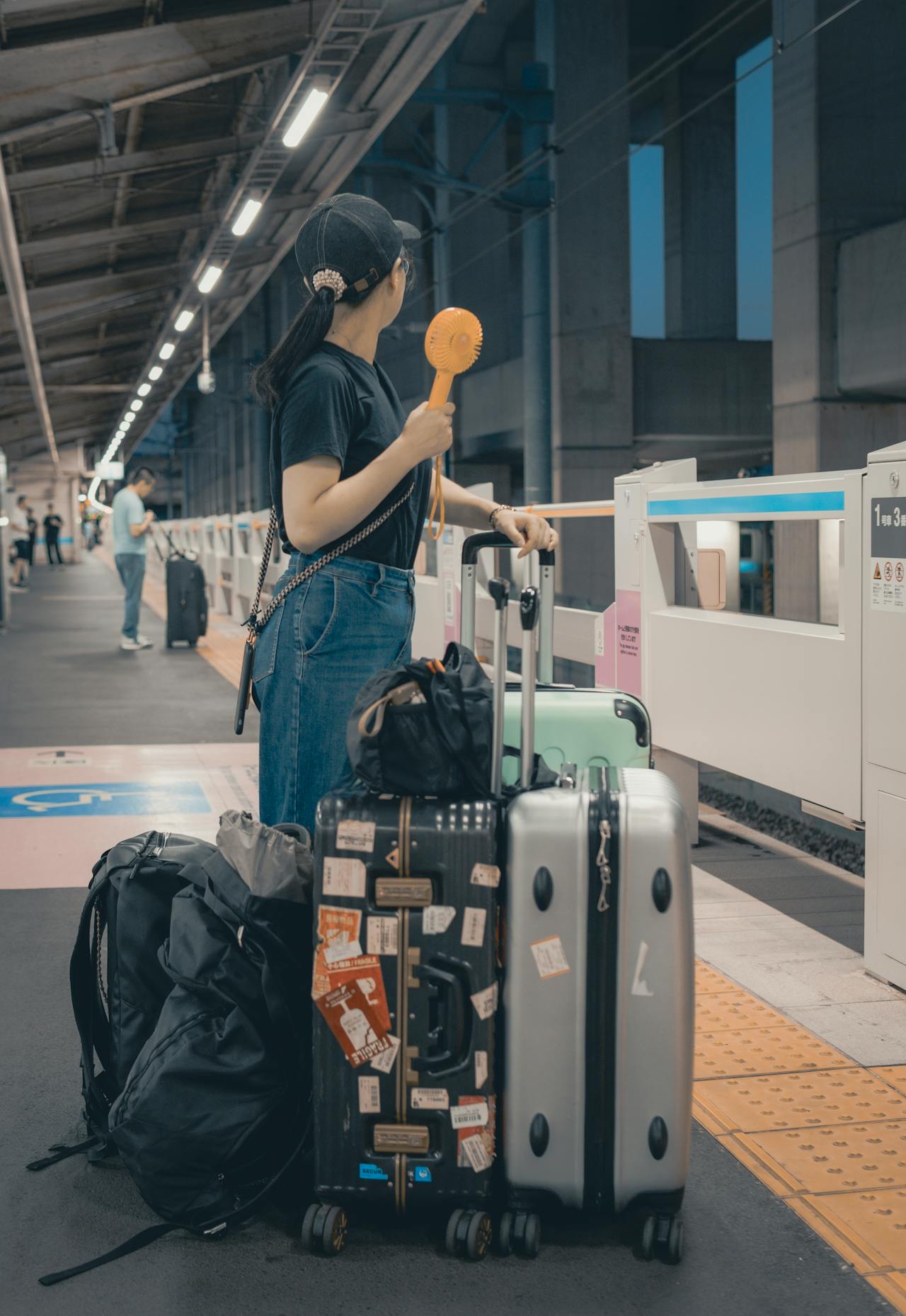
Hard luggage is the number one safari packing mistake.
They don’t compress into small aircraft holds and take up too much space in vehicles.
Pack instead:
A soft-sided duffel or collapsible travel bag.
Bright, Neon, or Flashy Clothing
Hot pink, neon green, pure white, and shiny fabrics attract insects and disturb wildlife.
In addition, they stand out in photos and ruin the natural safari aesthetic.
Pack instead:
Neutral tones like khaki, olive, beige, taupe, or muted gray.
Dark Blue and Black Clothing
Surprisingly, dark blue and black attract tsetse flies in parts of East Africa.
Their bites are painful and persistent.
Pack instead:
Light neutral colors that blend into the landscape.
Camouflage Prints
In several African countries, camouflage is restricted to military personnel.
Wearing it can cause serious problems at airports or checkpoints.
Pack instead:
Solid neutral colors. They’re safer and more practical
Too Many Clothes
Many travelers pack as if relocating abroad.
However, most safari lodges offer laundry every day or every other day.
You only need:
- 2–3 safari outfits
- One warm layer
- One casual evening outfit
Anything more adds unnecessary weight.
Denim Jeans
Jeans are heavy, slow to dry, and uncomfortable in heat.
Once wet, they stay damp for hours.
Pack instead:
Lightweight hiking pants or quick-dry travel trousers.
High Heels or Fashion Footwear
Safari terrain is dusty and uneven.
Heels, dress shoes, and stiff leather footwear rarely leave your bag.
Pack instead:
Comfortable walking shoes, trail sneakers, and simple sandals.
Plastic Bags and Plastic Wrappers
Many African countries strictly limit or ban plastic bags because they damage wildlife habitats and pollute natural environments.
For example, countries like Kenya and Rwanda enforce strong anti-plastic regulations. In some areas, authorities confiscate plastic bags at airports or border crossings. In addition, plastic waste is often burned in remote regions, which creates harmful air pollution and damages local ecosystems.
Thin plastic wrappers also tear easily during safari travel and become difficult to manage in dusty environments.
Avoid bringing:
- Plastic shopping bags
- Excess snack wrappers
- Disposable plastic packaging
- Thin plastic document sleeves
Pack instead:
- Reusable packing cubes
- Fabric organizers
- Dry bags
- Refillable containers
- Reusable zip pouches
Using reusable alternatives helps protect wildlife areas and reduces unnecessary waste during your safari adventure.
Gear and Electronics You Should Leave Behind
Drones
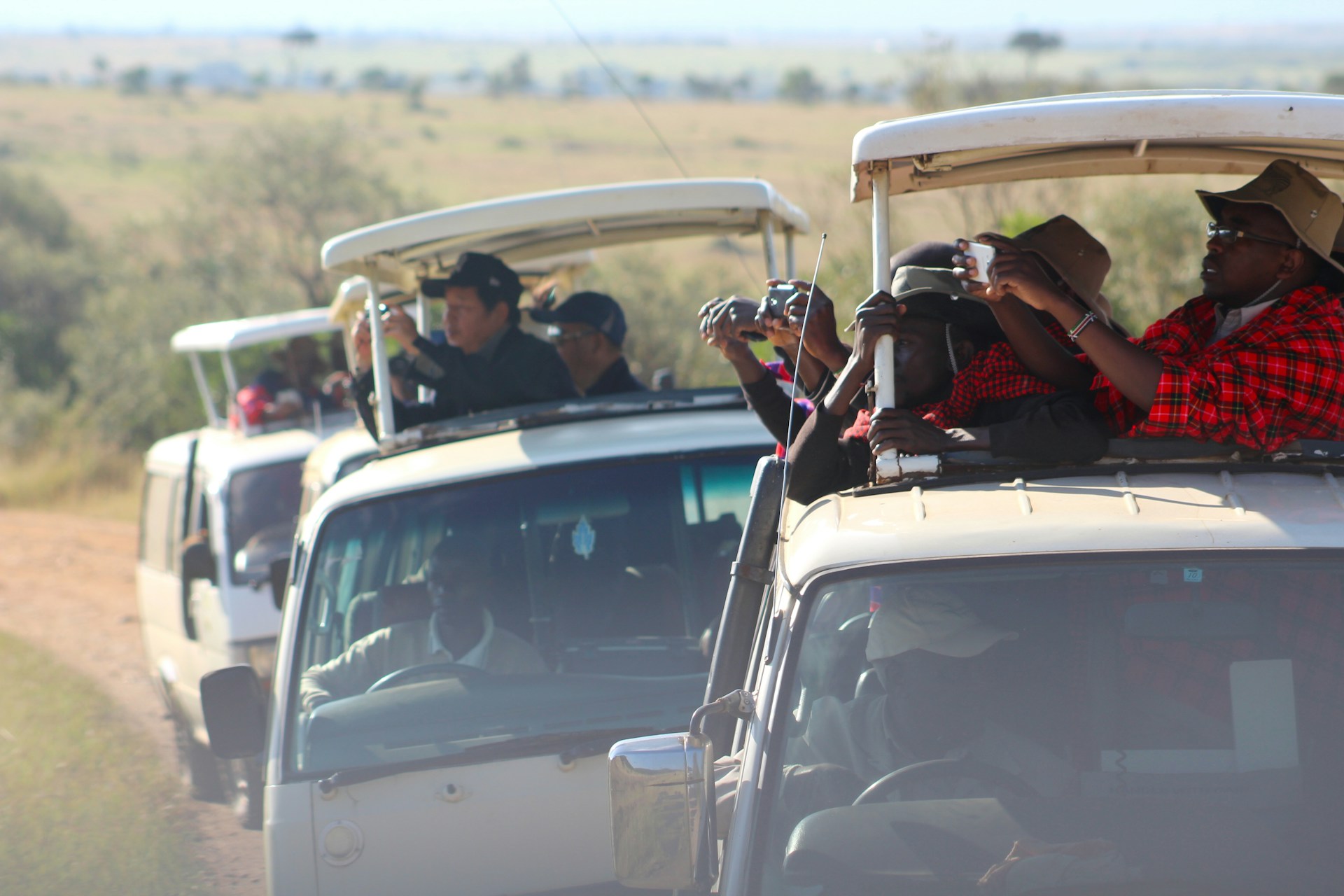
Drones are banned in most African parks, including Maasai Mara National Reserve and Serengeti National Park.
Violations can lead to confiscation or fines.
Check official regulations through Kenya Wildlife Service.
Heavy Camera Equipment (Unless You’re a Professional)
Large tripods and multiple lenses complicate game drives.
Modern smartphones and compact cameras perform extremely well.
Pack instead:
One camera, one versatile lens, and your phone.
Your Entire Tech Kit
Laptops, tablets, gaming devices, and power strips add weight.
Many camps have limited charging hours.
Pack instead:
- One phone
- One camera
- One power bank
- A universal adapter
That’s enough.
Hair Dryers and Styling Tools
Safari lodges run on solar or generators.
High-wattage devices often don’t work and can shut down camp power.
Also, bush humidity makes styling pointless.
Toiletries, Jewelry, and Scented Products
Full-Size Toiletries
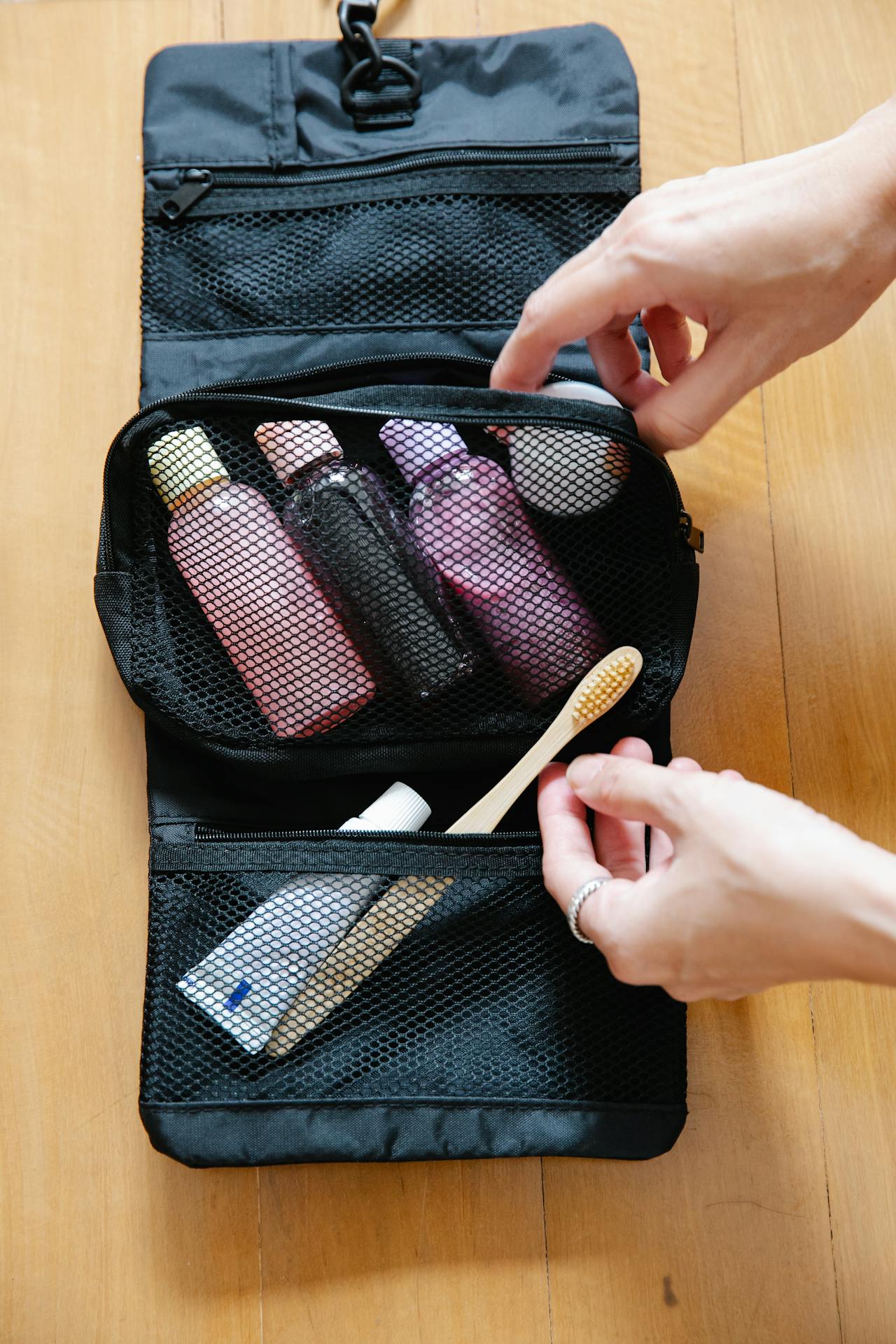
Most lodges provide shampoo, soap, towels, and lotion.
Bring only travel-sized sunscreen and personal medication.
Perfume and Strongly Scented Products
Strong scents disturb wildlife and attract insects.
Pack instead:
Unscented toiletries and deodorant.
Expensive Jewelry
Jewelry gets dusty, lost, or damaged.
It also adds zero value to your safari.
Pack instead:
A simple watch and maybe a light scarf for evenings.
Food and Plastic Items to Avoid
Avoid packing:
- Fresh fruit
- Meat or dairy
- Seeds
- Strong-smelling snacks
These often get confiscated at customs.
In addition, Kenya and Rwanda ban single-use plastic bags.
Use reusable packing cubes or fabric organizers instead.
Bulky Safari Gear You Don’t Need
Contrary to popular belief, skip:
- Military-style vests
- Cork safari hats
- Giant backpacks
- Heavy binocular harnesses
Most lodges provide binoculars.
Lightweight accessories work better.
Common First-Time Safari Packing Mistakes
Beginners often:
- Pack for imagined emergencies
- Bring duplicate items
- Overestimate cold weather needs
- Carry “just in case” gear
Instead, pack for real activities. Not hypothetical situations.
Read more on my article on First-time safari travel mistakes.
Smart Alternatives: What to Bring Instead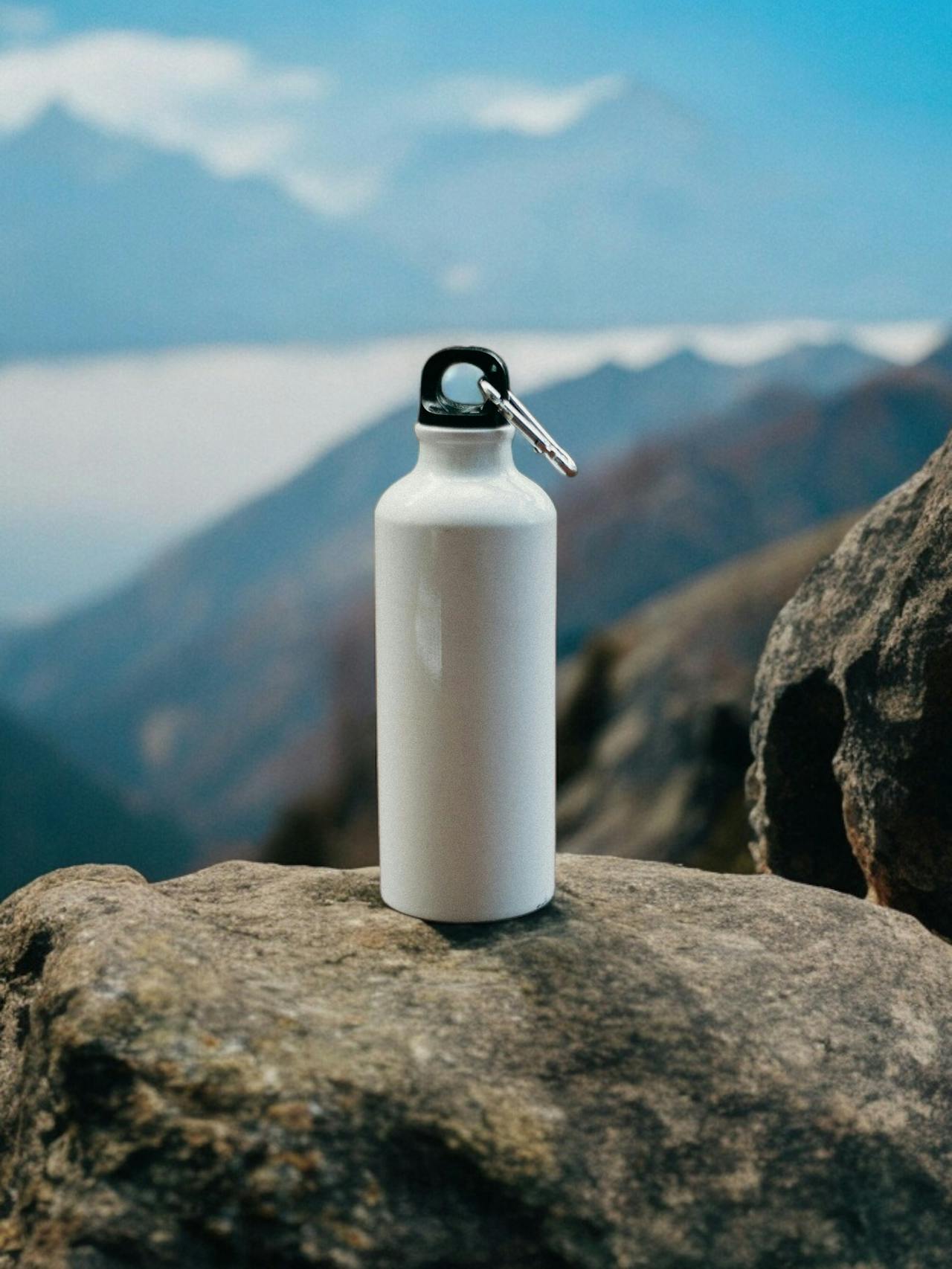
Rather than overpacking, focus on:
- Neutral lightweight layers
- Comfortable shoes
- Sunscreen and insect repellent
- Copies of travel documents
- A reusable water bottle
For a full checklist, see our internal guide:
👉 Safari Packing List for Beginners
Regional Considerations (East Africa Focus)
If you’re visiting Kenya or Tanzania:
- Domestic flights enforce strict baggage limits
- Roads are dusty
- Weather changes quickly
Popular areas like Amboseli and Ngorongoro reward practical packing, not luxury luggage.
Environmental Responsibility: Pack With Purpose
Every unnecessary item increases your carbon footprint.
Plastic waste damages fragile ecosystems.
Therefore:
- Avoid single-use plastics
- Bring reef-safe sunscreen
- Refill reusable bottles
Learn more about responsible travel from World Wildlife Fund.
African Safari Packing Mistakes to Avoid (Quick Recap)
Avoid:
- Hard suitcases
- Bright or dark clothing
- Excess outfits
- Heels
- Heavy camera kits
- Full toiletries
- Drones
- Camouflage
- Jewelry
- Hair tools
- Unnecessary electronics
Frequently Asked Questions
What should you NOT pack for an African safari?
The biggest safari packing mistakes include bringing hard-shell suitcases, bright clothing, camouflage outfits, excessive electronics, heavy camera gear, and unnecessary toiletries.
In addition, many travelers overpack clothes they never wear. Most safari lodges offer laundry services, so you only need a few versatile outfits.
Why are hard-shell suitcases bad for safari trips?
Hard-shell suitcases do not fit easily into bush planes or safari vehicles.
Most African safaris use small charter aircraft with strict luggage restrictions of around 15–20 kg (33–44 lbs). Soft duffel bags work much better because they compress into tight cargo spaces.
Can I wear bright colors on safari?
No. Bright colors can disturb wildlife and attract insects.
Colors like neon green, bright red, hot pink, and pure white stand out against the natural environment. Neutral shades such as khaki, olive, beige, and brown work best for safari travel.
Why should I avoid black and dark blue clothes on safari?
Dark blue and black attract tsetse flies in some parts of East Africa.
These flies have painful bites and are especially common in certain safari regions of Kenya and Tanzania. Therefore, lighter neutral clothing is a smarter choice.
Is camouflage clothing allowed in Africa?
In several African countries, camouflage clothing is restricted to military personnel.
Wearing camo in places like Kenya, Zimbabwe, or Zambia can lead to problems with authorities or airport security.
Do I need special safari clothes?
No. You do not need expensive “safari outfits.”
Comfortable, breathable clothing in neutral colors works perfectly. Lightweight hiking clothes and casual outdoor wear are usually enough.
Can I bring jeans on safari?
Yes, but jeans are not ideal.
Denim becomes hot, heavy, and uncomfortable in dusty or wet conditions. Lightweight travel pants or quick-dry hiking trousers are much more practical.
Are drones allowed on African safaris?
Usually not.
Most national parks and wildlife reserves ban drones because they disturb animals and other visitors. If you fly one illegally, authorities may confiscate it or issue fines.
Should I bring a lot of camera equipment on safari?
Only if you are a professional photographer.
Many travelers regret bringing multiple lenses, large tripods, and heavy camera bags. A smartphone or a single camera with a zoom lens is enough for most safaris.
Do safari lodges provide toiletries?
Many mid-range and luxury safari lodges provide:
- Shampoo
- Soap
- Towels
- Body lotion
- Sometimes insect repellent
Therefore, avoid packing large toiletries unless you need personal medications or specialty products.
Can I use a hair dryer in safari camps?
Usually no.
Many safari camps rely on solar energy or generators. Hair dryers and curling irons use too much power and often do not work properly in remote lodges.
Why are plastic bags discouraged on safari?
Countries like Kenya and Rwanda have strict anti-plastic laws to protect wildlife and the environment.
In addition, plastic waste is often burned in remote areas, which creates harmful pollution. Reusable packing cubes and fabric organizers are better alternatives.
How many clothes should I pack for safari?
Pack less than you think.
Most travelers only need:
- 2–3 safari outfits
- One warm layer
- Comfortable shoes
- One evening outfit
Laundry services are common at safari lodges, especially in East and Southern Africa.
What shoes are best for safari?
Comfort matters more than style.
For most safaris, lightweight walking shoes or trail sneakers are enough. Heavy hiking boots are only necessary for trekking or walking safaris.
Do I need binoculars for safari?
Binoculars are highly recommended, but you may not need to pack expensive ones.
Some luxury safari lodges provide high-quality binoculars for guests during game drives.
Are safari luggage weight limits strict?
Yes. Very strict.
Small bush planes usually enforce the luggage limit carefully. Exceeding the weight allowance may result in extra fees or force you to leave items behind.
What is the biggest first-time safari packing mistake?
Overpacking.
Many travelers bring too many clothes, unnecessary gadgets, and bulky luggage. Experienced safari guides consistently recommend packing lighter and focusing only on essentials.
Final Thoughts
Understanding African safari packing mistakes to avoid saves money, energy, and frustration.
Ultimately, safaris reward simplicity.
The lighter you pack, the easier every transfer becomes. Moreover, fewer belongings mean more freedom to enjoy wildlife, landscapes, and unforgettable moments.
Pack smart. Respect nature. Travel light.
If you’d like help planning your safari or finding trusted local operators, explore our educational travel guides and resources on Rassafari.com.
Safari njema — safe travels.