Planning a trip to Africa is exciting. From golden savannas and tropical coastlines to vibrant cities and iconic landmarks like Victoria Falls, the continent promises unforgettable adventures. However, before you pack your bags, it’s essential to prioritize your health.
This Africa travel health checklist 2026 walks you through everything you need to know to prepare for a safe, comfortable journey. You’ll learn about required vaccinations, malaria prevention, food and water safety, travel insurance, and everyday wellness strategies. In addition, we’ll cover safari-specific precautions and what to do if you become ill abroad.
Whether you’re heading out on safari, visiting family, or exploring historic towns, this guide helps you travel with confidence and peace of mind.
Why Travel Health Planning Matters in Africa
Africa includes more than 50 countries, each with unique climates, healthcare systems, and disease risks. Therefore, health preparation should never be an afterthought.
Many travel-related illnesses are preventable. For example, vaccines, mosquito protection, and safe food habits dramatically reduce your risk. As a result, smart planning lets you focus on enjoying your trip instead of managing medical problems.
In addition, medical facilities outside major cities may be limited. Preparing ahead ensures you can handle minor issues yourself and know exactly where to seek help if something serious happens.
Pre-Trip Health Preparation: Your Foundation for a Safe Journey
Schedule a Travel Health Consultation Early
Ideally, book a travel clinic appointment 6–8 weeks before departure. This allows time for vaccines to become effective and gives your doctor space to tailor advice to your exact itinerary.
Healthcare providers often rely on guidance from organizations such as the World Health Organization and the Centers for Disease Control and Prevention when recommending vaccinations and precautions.
During your visit, discuss:
- Countries and regions you’ll visit
- Time of year
- Activities (safari, hiking, urban travel)
- Existing medical conditions
As a result, you’ll receive personalized recommendations rather than generic advice.
Review Routine Vaccinations
Before adding travel vaccines, confirm you’re up to date on routine immunizations:
- Measles, mumps, rubella (MMR)
- Tetanus, diphtheria, polio
- Influenza
- COVID-19
These protect against common global infections and are often overlooked.
Destination-Specific Vaccines to Discuss
Depending on where you’re traveling, your clinician may recommend:
- Yellow fever
- Hepatitis A and B
- Typhoid
- Meningococcal meningitis
- Rabies (especially for long stays or rural travel)
Some countries require proof of yellow fever vaccination at border entry, so always carry your certificate.
Recommended Vaccinations for African Travel
Vaccination needs vary widely across the continent. However, several are commonly advised for travelers.
- Yellow fever: Required for entry in some countries and strongly recommended in others. Provides long-term protection.
- Hepatitis A: Spread through contaminated food and water.
- Typhoid: Common in areas with limited sanitation.
- Hepatitis B: Spread through blood and bodily fluids.
- Meningococcal meningitis: Especially important if visiting the “meningitis belt.”
Therefore, always travel with your vaccination record.
Malaria Prevention and Mosquito Protection (A Core Part of Your Africa Travel Health Checklist 2026)

Malaria remains one of the biggest health risks in many parts of sub-Saharan Africa. Fortunately, it’s largely preventable.
Follow the ABCs of Malaria Prevention
A – Awareness: Know your risk by region.
B – Bite prevention: Protect exposed skin, especially at dusk and dawn.
C – Chemoprophylaxis: Take prescribed anti-malarial tablets exactly as directed.
Practical Bite-Prevention Tips
- Wear long sleeves and trousers in the evening
- Use repellent containing DEET, picaridin, or oil of lemon eucalyptus
- Sleep under mosquito nets when provided
- Choose accommodations with screens or air conditioning
- Treat clothing with permethrin for added protection
Because mosquitoes also spread dengue and chikungunya, these steps protect you from multiple illnesses.
Beyond Malaria: Other Insect-Related Risks
While malaria gets most attention, travelers should also be aware of:
- Dengue and chikungunya (day-biting mosquitoes)
- African tick-bite fever
- African sleeping sickness (tsetse fly exposure in rural safari areas)
- Rift Valley fever
Therefore, consistent insect protection remains essential throughout your trip.
Food and Water Safety: Avoiding Traveler’s Diarrhea 

Stomach problems are common during the first week abroad. However, careful choices greatly reduce this risk.
Water Wisdom
- Drink sealed bottled or treated water
- Avoid ice unless made from purified water
- Brush teeth with bottled water in high-risk areas
- Carry purification tablets or a filtered bottle for backup
Smart Food Choices
Follow this simple rule: cook it, boil it, or peel it.
- Eat freshly cooked, hot meals
- Avoid raw or undercooked meat and seafood
- Skip unpasteurized dairy
- Peel fruit yourself
- Be cautious with buffets
Street food can be safe if it’s cooked fresh and served hot. Choose busy vendors with high turnover.
Managing Heat, Sun, and Dehydration
Africa’s sun can be intense, especially at altitude.
To stay comfortable:
- Drink water regularly
- Wear wide-brim hats and UV sunglasses
- Apply SPF 30+ sunscreen
- Take midday breaks
- Choose loose, light-colored clothing
As a result, you’ll avoid heat exhaustion and enjoy outdoor activities more comfortably.
High-Altitude Awareness
If your itinerary includes climbing Mount Kilimanjaro or visiting Mount Kenya, altitude sickness is a real concern.
Reduce Your Risk
- Ascend slowly
- Stay well hydrated
- Avoid alcohol
- Follow the “climb high, sleep low” principle
- Rest if symptoms appear
Headache, nausea, dizziness, and fatigue are early warning signs. Therefore, never ignore them.
Build a Personal Travel Health Kit
A compact kit saves time and stress when minor problems arise.
Essentials to Pack
- Prescription medications (with copies of prescriptions)
- Pain relievers and fever reducers
- Anti-diarrheal tablets
- Oral rehydration salts
- Antihistamines
- Insect repellent
- Sunscreen and lip balm with SPF
- Hand sanitizer
- Small thermometer
- Blister plasters and antiseptic wipes
In addition, pack tweezers, scissors, and water purification tablets.
Travel Insurance: A Non-Negotiable Part of Your Africa Travel Health Checklist 2026
Never travel without comprehensive insurance.
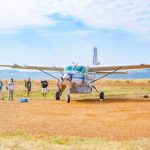
Medical evacuation from remote safari areas can cost thousands of dollars. Therefore, your policy should cover:
- Emergency medical treatment
- Hospital stays
- Evacuation and repatriation
- Pre-existing conditions (if applicable)
Also, keep digital and printed copies of your policy details.
Mental Well-Being While Traveling
Health isn’t only physical. Long flights, culture shock, and packed schedules can be draining.
To stay balanced:
- Pace your itinerary
- Prioritize sleep
- Take quiet breaks
- Stay connected with loved ones
For example, journaling or short walks can help reset your energy.
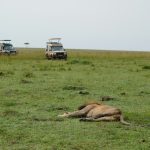
Safari and Rural Travel: Extra Precautions
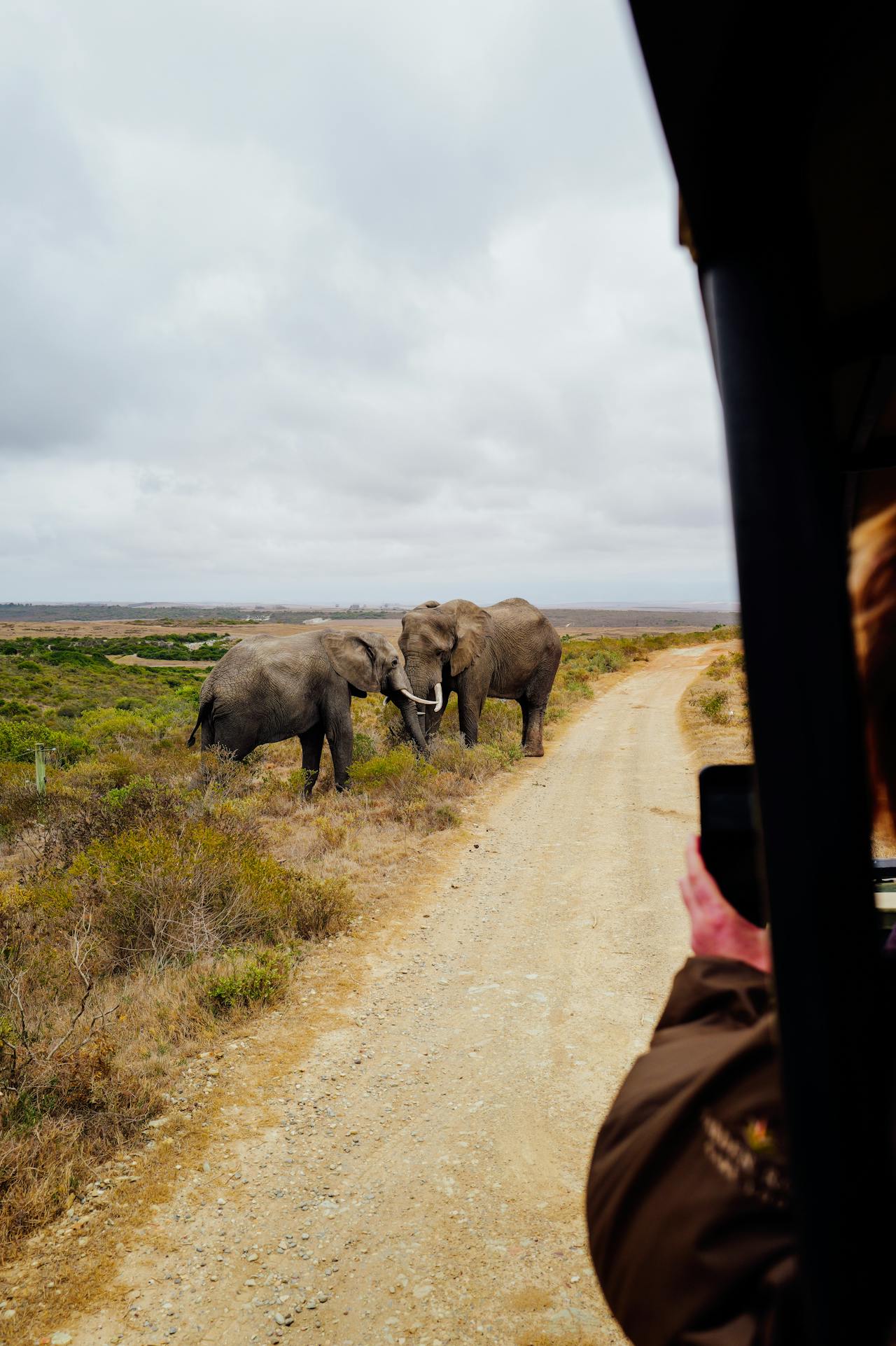
Outside cities, preparation becomes even more important.
- Carry enough medication for your entire trip
- Bring snacks and clean water on long drives
- Wear closed shoes to avoid cuts and bites
- Avoid swimming in freshwater lakes or rivers
- Follow your guide’s instructions around wildlife
Never approach animals, and always request an escort at night in wildlife camps.
Traveling with Children or Seniors
Families and older travelers should plan carefully.
- Review chronic conditions before departure
- Pack extra medications
- Allow more rest days
- Choose accommodations with easy access
Children may need adjusted vaccine schedules, while seniors should monitor hydration and fatigue closely.
What to Do If You Get Sick Abroad
If symptoms are mild, rest and hydration often help.
However, seek medical care immediately for:
- High fever
- Severe diarrhea
- Persistent vomiting
- Breathing problems
- Confusion or weakness
Hotels and tour operators can guide you to reputable clinics. Always keep your insurance emergency number handy.
Helpful Internal Resources
To support your planning, explore:
These articles complement this Africa travel health checklist 2026 and help you prepare holistically.
Trusted External Health Resources
For current country-specific advice, visit the World Health Organization and the Centers for Disease Control and Prevention. These platforms provide outbreak alerts, vaccine guidance, and safety updates.
Frequently Asked Questions About Travel Health in Africa
Do I need vaccines before traveling to Africa?
Yes, many travelers need vaccines before visiting certain African countries. However, the exact requirements depend on your destination, activities, and length of stay.
Commonly recommended vaccines include:
- Yellow fever
- Hepatitis A
- Typhoid
- Hepatitis B
- Tetanus and MMR boosters
Some countries also require proof of yellow fever vaccination before entry. Therefore, it’s best to visit a travel clinic at least 6–8 weeks before departure.
For current recommendations, consult the World Health Organization or Centers for Disease Control and Prevention.
Is malaria a risk everywhere in Africa?
No, malaria risk varies by country, region, altitude, and season.
For example, some high-altitude areas have lower malaria risk, while tropical and rural regions often have higher transmission rates. Popular safari destinations in East and Southern Africa may still require precautions.
To reduce your risk:
- Take prescribed antimalarial medication
- Wear long sleeves in the evening
- Use insect repellent with DEET or picaridin
- Sleep under mosquito nets
As a result, you significantly lower your chances of infection.
What is the best mosquito repellent for Africa travel?
The most effective mosquito repellents usually contain:
- DEET
- Picaridin
- Oil of lemon eucalyptus
Repellents with at least 20–30% DEET are commonly recommended for safari and rural travel. In addition, permethrin-treated clothing adds extra protection.
Because mosquitoes spread malaria, dengue, and chikungunya, consistent protection is essential.
Can I drink tap water in Africa?
In many destinations, it’s safer to avoid tap water.
Instead:
- Drink sealed bottled water
- Use filtered or purified water
- Avoid ice unless you know it was made with purified water
- Brush your teeth with bottled water in higher-risk areas
Even luxury destinations may recommend bottled water for visitors who are not used to local water systems.
What medicines should I pack for an Africa trip?
A travel health kit helps you handle minor illnesses quickly.
Essential items include:
- Prescription medication
- Pain relievers
- Anti-diarrheal medicine
- Oral rehydration salts
- Antihistamines
- Insect repellent
- Sunscreen
- Hand sanitizer
- Antiseptic wipes
In addition, pack extra medication in case of travel delays.
Is travel insurance necessary for Africa?
Yes, comprehensive travel insurance is strongly recommended.
Medical evacuation from remote safari areas can be extremely expensive. Therefore, your policy should include:
- Emergency medical treatment
- Hospitalization
- Medical evacuation
- Trip interruption coverage
Always carry both digital and printed copies of your insurance details.
What foods should I avoid while traveling in Africa?
To reduce the risk of stomach illness, avoid:
- Raw or undercooked meat
- Unwashed fruits and vegetables
- Unpasteurized dairy products
- Food left sitting out for long periods
Instead, choose freshly cooked meals served hot. Peel fruits yourself whenever possible.
Street food can be safe if it is cooked fresh in front of you.
Is Africa safe for travelers with medical conditions?
Yes, many people with medical conditions safely travel across Africa every year. However, preparation is essential.
Before traveling:
- Discuss your plans with your doctor
- Carry enough medication for the full trip
- Bring copies of prescriptions
- Research nearby hospitals or clinics
In addition, travelers with asthma, diabetes, or heart conditions should avoid overly aggressive itineraries.
What should I do if I get sick while traveling in Africa?
If symptoms are mild, hydration and rest may help.
However, seek medical attention immediately if you experience:
- High fever
- Persistent vomiting
- Severe diarrhea
- Breathing difficulty
- Confusion or extreme weakness
Hotels, lodges, and tour operators can often recommend reliable clinics or hospitals nearby.
Are safaris dangerous for your health?
Safaris are generally safe when travelers follow professional guidance.
To stay healthy on safari:
- Drink plenty of water
- Use sunscreen regularly
- Wear insect repellent
- Follow wildlife safety instructions
- Avoid walking alone at night in wildlife camps
In addition, wearing neutral-colored clothing helps reduce insect attraction.
How early should I prepare for an Africa trip?
Ideally, start planning your health preparations 6–8 weeks before departure.
This gives you enough time to:
- Receive vaccines
- Begin malaria medication if needed
- Purchase insurance
- Build a travel health kit
Last-minute preparation increases the risk of missing important vaccinations or medications.
Are there health risks unique to safari travel?
Yes, safari and rural travel can involve additional health concerns.
These may include:
- Mosquito-borne diseases
- Heat exhaustion
- Tick bites
- Limited access to hospitals
- Dehydration during long game drives
Therefore, rural travel requires extra preparation compared to city travel.
Can children safely travel to Africa?
Yes, children can safely travel to many African destinations with proper planning.
Parents should:
- Review vaccine schedules with a pediatrician
- Pack child-friendly medications
- Prioritize hydration and sun protection
- Schedule slower-paced itineraries
In addition, families should choose accommodations with reliable healthcare access nearby.
Is yellow fever vaccination mandatory for Africa?
Some countries require proof of yellow fever vaccination for entry, especially if you arrive from another yellow fever risk country.
You may need an International Certificate of Vaccination, commonly called the “Yellow Card.”
Because regulations change, always verify requirements before departure.
What are the biggest health risks for travelers in Africa?
The most common health risks include:
- Malaria
- Traveler’s diarrhea
- Dehydration
- Sunburn and heat exhaustion
- Food and water contamination
Fortunately, most of these risks are preventable with proper planning and precautions.
How can I stay healthy during long flights to Africa?
Long-haul flights can be exhausting. To stay comfortable:
- Drink plenty of water
- Walk around regularly
- Stretch your legs
- Avoid excessive alcohol
- Sleep when possible
Compression socks may also help reduce swelling during very long flights.
Should I avoid swimming in lakes and rivers in Africa?
Yes, travelers are often advised to avoid freshwater lakes and rivers in certain regions.
Some bodies of water may contain parasites or bacteria that can cause illness. Therefore, stick to hotel pools or approved swimming areas whenever possible.
Always ask local guides before swimming outdoors.
What is the safest way to eat street food in Africa?
Street food can be excellent if you choose carefully.
Look for vendors that:
- Cook food fresh in front of customers
- Have high customer turnover
- Maintain clean cooking areas
Avoid food that has been sitting out for long periods, especially in hot weather.
Can altitude sickness affect travelers in Africa?
Yes, altitude sickness can affect travelers visiting high elevations like Mount Kilimanjaro or Mount Kenya.
Symptoms may include:
- Headaches
- Nausea
- Fatigue
- Dizziness
Ascending slowly and staying hydrated greatly reduces your risk.
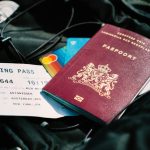
What health documents should I carry while traveling?
Keep these documents accessible:
- Passport copies
- Vaccination certificates
- Travel insurance details
- Prescription copies
- Emergency contact information
In addition, save digital copies on your phone and cloud storage for backup.
Final Thoughts: Travel Smart, Stay Healthy
Africa rewards travelers with extraordinary landscapes, cultures, and wildlife. However, your experience depends heavily on how well you care for your health.
By following this Africa travel health checklist 2026, you’ll minimize risks, stay energized, and enjoy every moment of your journey.
Plan ahead. Pack wisely. Listen to your body. Most importantly, travel with confidence knowing you’ve taken the right steps to protect your well-being.
Safe travels.