Planning an African safari is exciting. However, one practical detail often causes stress: how much money should you bring?
This Safari Cash Planning Guide explains exactly how much cash to bring on safari, how to budget daily expenses, tipping expectations, currency choices, and safety tips. In addition, you’ll learn how to balance cash with cards so you’re never stuck in remote areas without payment options.
By the end, you’ll feel confident managing safari finances—without carrying unnecessary amounts of money.
Let’s simplify safari cash planning.
Why Cash Still Matters on Safari
Even in 2026, safaris remain partly cash-based experiences.
Yes, many mid-range and luxury lodges accept Visa or Mastercard. However, once you leave major cities, card systems become unreliable.
Here’s why carrying cash remains essential:
- Tips are almost always given in cash
- Craft markets rarely accept cards
- Remote fuel stops may be cash-only
- Power outages disable card machines
- Small cafés and village shops prefer local currency
As a result, travelers who rely only on plastic often struggle.
Cash gives you flexibility. Moreover, it supports local communities directly.
Typical Safari Regions Where Cash Is Most Useful
Safari destinations offer incredible wildlife. However, banking infrastructure becomes limited once you leave urban centers.
Cash becomes especially important in:
- Maasai Mara National Reserve
- Serengeti National Park
- Kruger National Park
Nearby cities such as Nairobi, Arusha, and Johannesburg have ATMs and banks. However, once inside reserves, cash becomes king.
Therefore, planning ahead matters.
How Much Cash to Bring on Safari (Quick Overview)
For most travelers:
- Solo travelers: $500–$1,000 total
- Couples: $800–$1,500 total
- Families: Add $10–$20 per child per day
These figures cover:
- Tipping
- Souvenirs
- Drinks and extras
- Emergency buffer
Next, let’s break this down by travel style.
Daily Safari Cash Estimates by Travel Style
Budget Safari Travelers
- $25–$40 per person per day
Covers:
- Modest tips
- Snacks and drinks
- Small souvenirs
Your main safari package is usually prepaid.
Mid-Range Safari Travelers
- $40–$70 per person per day
Typically spent on:
- Guide and staff tips
- Curios and crafts
- Bar bills
- Optional village visits
In addition, many travelers keep extra cash for spontaneous experiences.
Luxury Safari Travelers
- $50–$100 per person per day
Why so much?
Luxury guests often tip more generously. Moreover, premium camps employ large teams—from trackers to housekeepers.
How Much Cash to Bring Based on Trip Length
3-Day Safari
- Budget: $100–$150
- Mid-range: $150–$250
- Luxury: $200–$300
5-Day Safari
- Budget: $150–$250
- Mid-range: $250–$350
- Luxury: $300–$500
7+ Day Safari
- Budget: $250–$400
- Mid-range: $350–$600
- Luxury: $500–$800
These totals include tips, shopping, and buffer funds.
Safari Tipping: Your Biggest Cash Expense
Tipping is customary across East and Southern Africa. While optional, it’s strongly encouraged.
Typical daily guidelines (per guest):
- Driver-guide: $10–$25
- Tracker: $10–$15
- Lodge staff pool: $10–$20
- Porter: $1–$5 per bag
- Butler (luxury camps): $10–$15
Example Calculation (Couple, 7 Days)
($20 guide + $10 tracker + $15 staff) × 2 people × 7 days = $630
This alone explains why safari cash totals rise quickly.
Exactly What You’ll Spend Cash On
Souvenirs and Local Shopping
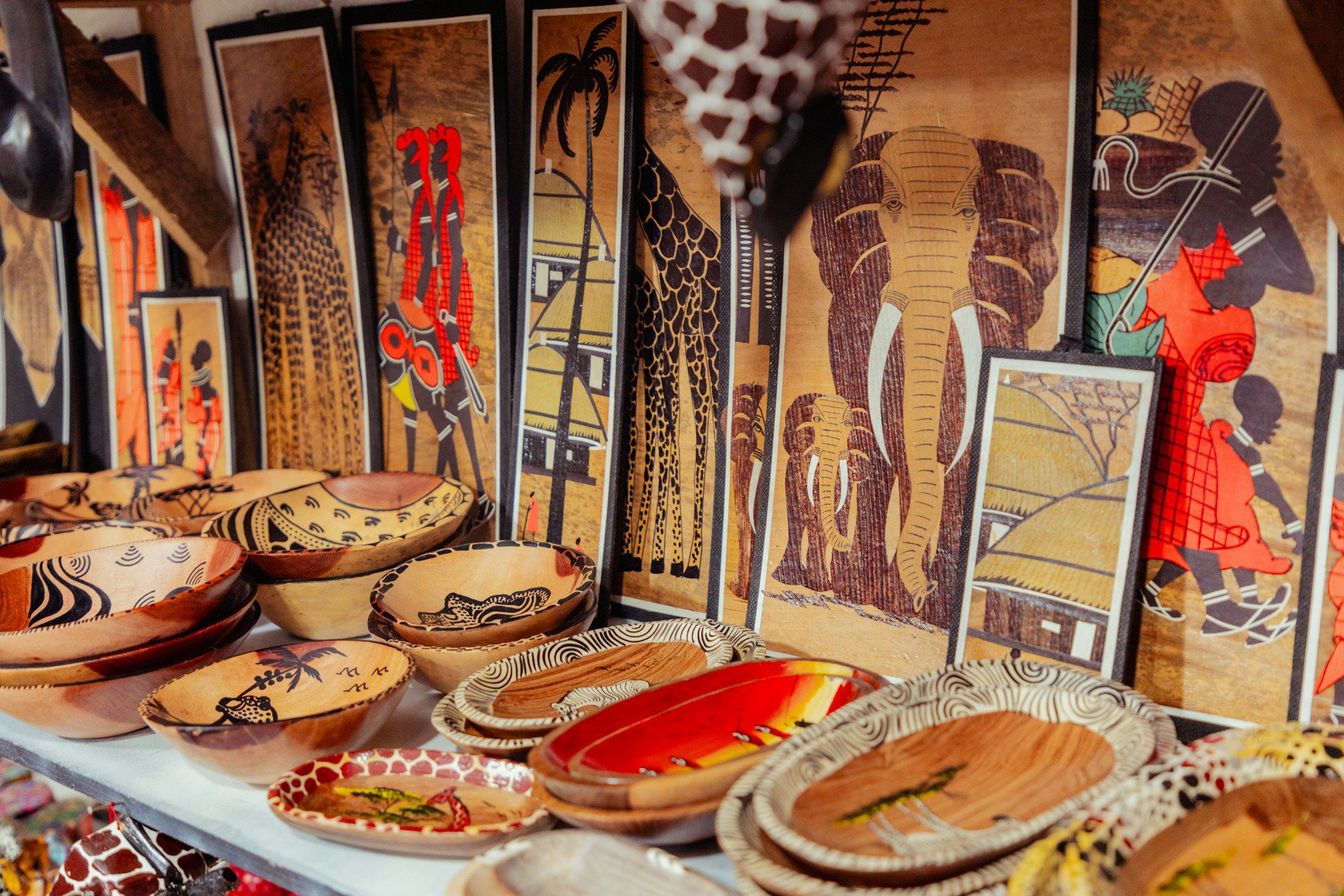
Expect handmade jewelry, beadwork, wood carvings, and textiles.
- Small items: $5–$15
- Larger carvings: $30–$100
Bargaining is common. Therefore, small bills help.
Drinks and Lodge Extras
Even all-inclusive safaris may exclude:
- Premium alcohol
- Spa treatments
- Laundry
- Wi-Fi upgrades
Budget $10–$30 per day depending on preferences.
Emergency Cash (Never Skip This)
Set aside $100–$300 per person for emergencies:
- ATM outages
- Lost cards
- Unexpected transfers
- Medical co-pays
Keep this fund separate.
USD or Local Currency: What Should You Bring?
In Kenya and Tanzania, US dollars are widely accepted for tips.
However:
- Small vendors prefer local currency
- Change is easier with local bills
- Many places reject USD printed before 2009
In South Africa and Botswana, local currency works best for daily purchases.
Best Strategy
Bring:
- USD for tips and emergencies
- Local currency for snacks and markets
- Small denominations ($1–$20)
Avoid damaged or old bills.
Where to Exchange Money Safely
Exchange at:
- Major airports
- City banks
- Reputable forex bureaus
Avoid street exchangers. In addition, always count your money before leaving the counter.
Using ATMs on Safari
ATMs exist in major cities. However, they’re rare near parks.
Therefore:
Withdraw all safari cash before leaving urban areas.
Card Payments: What to Expect
Most mid-range and luxury lodges accept cards.
Yet machines often fail due to:
- Power cuts
- Internet outages
As a result, never rely solely on plastic.
How to Carry Cash Safely
Follow these tips:
- Split money between bags
- Use lodge safes
- Carry daily spending separately
- Avoid flashing large amounts
- Consider a hidden money belt
These habits greatly reduce risk.
Cultural Considerations Around Money
Cash transactions feel personal in many African communities.
Therefore:
- Hand money respectfully
- Tip discreetly
- Stay patient
These small gestures build goodwill.
Sample Safari Cash Budget (5-Day Mid-Range Trip for Two)
- Guide tips: $150
- Lodge staff: $75
- Souvenirs: $100
- Drinks/extras: $75
- Emergency fund: $200
Total: $600
Common Safari Cash Mistakes
Avoid these:
- Bringing only large bills
- Forgetting tipping money
- Assuming ATMs exist everywhere
- Carrying all cash in one place
Preventing these mistakes makes trips far smoother.
Frequently Asked Questions About Safari Cash Planning
How much cash should you bring on an African safari?
Most travelers bring $40 to $100 per person per day on safari. The exact amount depends on your travel style.
Budget travelers may spend around $25–$40 daily, while mid-range safari guests usually bring $40–$70 per day. Luxury travelers often carry $70–$100 per day because tipping and optional purchases tend to be higher.
In addition, experts recommend carrying an emergency reserve of $100–$300 per person in case of card problems or unexpected expenses.
Do you need cash on safari if lodges accept credit cards?
Yes, you should still bring cash even if your lodge accepts credit cards.
Many safari camps operate in remote areas where internet connections and power supply can be unreliable. When outages occur, card machines may stop working.
Moreover, some expenses almost always require cash, including:
- Tips for guides and lodge staff
- Local market purchases
- Small village shops
- Roadside cafés or fuel stops
For this reason, experienced travelers never rely entirely on cards.
What currency is best to bring on safari?
The US dollar (USD) is the most widely accepted currency for safari tips and tourism services across much of East and Southern Africa. Check xe.com for the current exchange rates.
Countries where USD is commonly used include:
- Kenya
- Tanzania
- Uganda
- Rwanda
However, you should also carry some local currency for small purchases in markets or villages.
Important: many African banks reject US bills printed before 2009, or notes that are torn or damaged.
How much should you tip on safari?
Tipping is a normal and appreciated part of safari travel.
Typical daily tipping guidelines include:
- Safari guide: $10–$25 per guest
- Tracker: $10–$15 per guest
- Lodge staff pool: $5–$20 per guest
- Porter: $1–$5 per bag
Although tipping is technically optional, it forms an important part of staff income. Therefore, most travelers include tipping in their safari budget.
Is it safe to carry cash on safari?
Yes, carrying cash on safari is generally safe if you follow basic precautions.
Travel experts recommend:
- Splitting money between different bags
- Using lodge safes when available
- Carrying only daily spending cash
- Avoiding displaying large amounts of money
In addition, many travelers use a hidden money belt for extra security.
Can you use ATMs during a safari?
ATMs are available in major cities, but they are often unavailable near safari parks.
You will find reliable ATMs in cities such as:
- Nairobi
- Arusha
- Johannesburg
However, once you travel to reserves like Maasai Mara National Reserve or Serengeti National Park, ATM access becomes extremely limited.
Therefore, withdraw your safari cash before leaving major cities.
Do safari lodges accept credit cards?
Most mid-range and luxury safari lodges accept Visa and Mastercard.
However, card payments may occasionally fail due to:
- Internet outages
- Power cuts
- Satellite connectivity issues
As a result, travelers should still carry enough cash for tips and small purchases.
Should you bring small bills on safari?
Yes, bringing small denominations is extremely important.
Safari tipping and market purchases usually require small notes such as:
- $1
- $5
- $10
- $20
Large bills like $100 notes are difficult to break in remote areas. Therefore, prepare a mix of smaller bills before your trip.
How much cash should families bring on safari?
Families should increase their safari cash budget slightly.
Children often increase spending on:
- Snacks and drinks
- Souvenirs
- Extra tips
A good guideline is to add $10–$20 per child per day to your base cash estimate.
What happens if you run out of cash on safari?
Running out of cash can be inconvenient in remote areas.
Some lodges may allow you to add extra charges to your room bill and pay later by card. However, many local vendors, guides, and markets accept cash only.
For this reason, travel experts recommend carrying an emergency reserve of at least $100–$300 per person.
Is tipping mandatory on safari?
Tipping is not legally required, but it is widely expected and appreciated.
Safari guides, trackers, cooks, and housekeeping staff work long hours to create an exceptional experience. Tips are a meaningful way to thank them for their service.
Most travelers tip at the end of their stay or final game drive.
When should you give tips on safari?
Tips are typically given at the end of your stay.
Common timing includes:
- Guide and tracker tips: after the final game drive
- Lodge staff tips: placed in a communal tip box at reception
- Porters: immediately after luggage assistance
Many lodges provide envelopes to make this process simple and discreet.
Final Conclusion: How Much Cash to Bring on Safari
Planning how much cash to bring on safari doesn’t have to feel overwhelming.
Start by estimating your daily spending. Then add tipping money, shopping funds, and a small emergency reserve. Finally, split your cash between USD and local currency.
When you prepare this way, you avoid stressful money situations. More importantly, you free yourself to enjoy what really matters—wildlife sightings, golden sunsets, and unforgettable moments in nature.
A well-planned cash budget won’t just protect your trip.
It will improve it.
Quick Safari Cash Planning Checklist
Use this before departure:
✅ Daily spending cash calculated
✅ Tipping money set aside
✅ Emergency fund separated
✅ Mix of USD and local currency packed
✅ Small bills included
✅ Money split between bags
✅ ATM withdrawals done in the city
Ready to Plan the Rest of Your Safari?
If you’re building out your full trip, consider pairing this guide with:
These together create a stress-free safari experience from start to finish.