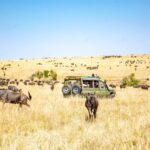
Planning your first journey to Africa is thrilling. From watching wildebeest cross the plains of the Serengeti National Park to wandering the colorful souks of Marrakech or standing in awe at Victoria Falls, the continent offers experiences unlike anywhere else.
However, Africa is vast, diverse, and logistically different from most destinations.
That’s why this Africa travel essentials checklist 2026 exists.
In this long-form guide, you’ll learn exactly what to pack, how to prepare your documents, which health precautions matter most, and what gear truly helps on safari, in cities, and on the coast. In addition, you’ll find safety advice, money tips, cultural etiquette, and a printable checklist at the end.
Whether you’re dreaming of gorilla trekking in Uganda or relaxing on tropical beaches, this guide helps you travel smarter—and with confidence.
Let’s begin.
Why You Need an Africa Travel Essentials Checklist
Africa isn’t one single travel experience. Instead, it’s over 50 countries with different climates, customs, and infrastructure.
As a result, preparation matters more here than on many other trips.
A clear checklist helps you:
- Avoid last-minute stress
- Pack only what you truly need
- Stay healthy and safe
- Respect local cultures
- Save time and money
Therefore, instead of solving problems on the road, you spend your energy enjoying the journey.
Documents and Travel Paperwork (Start Here)
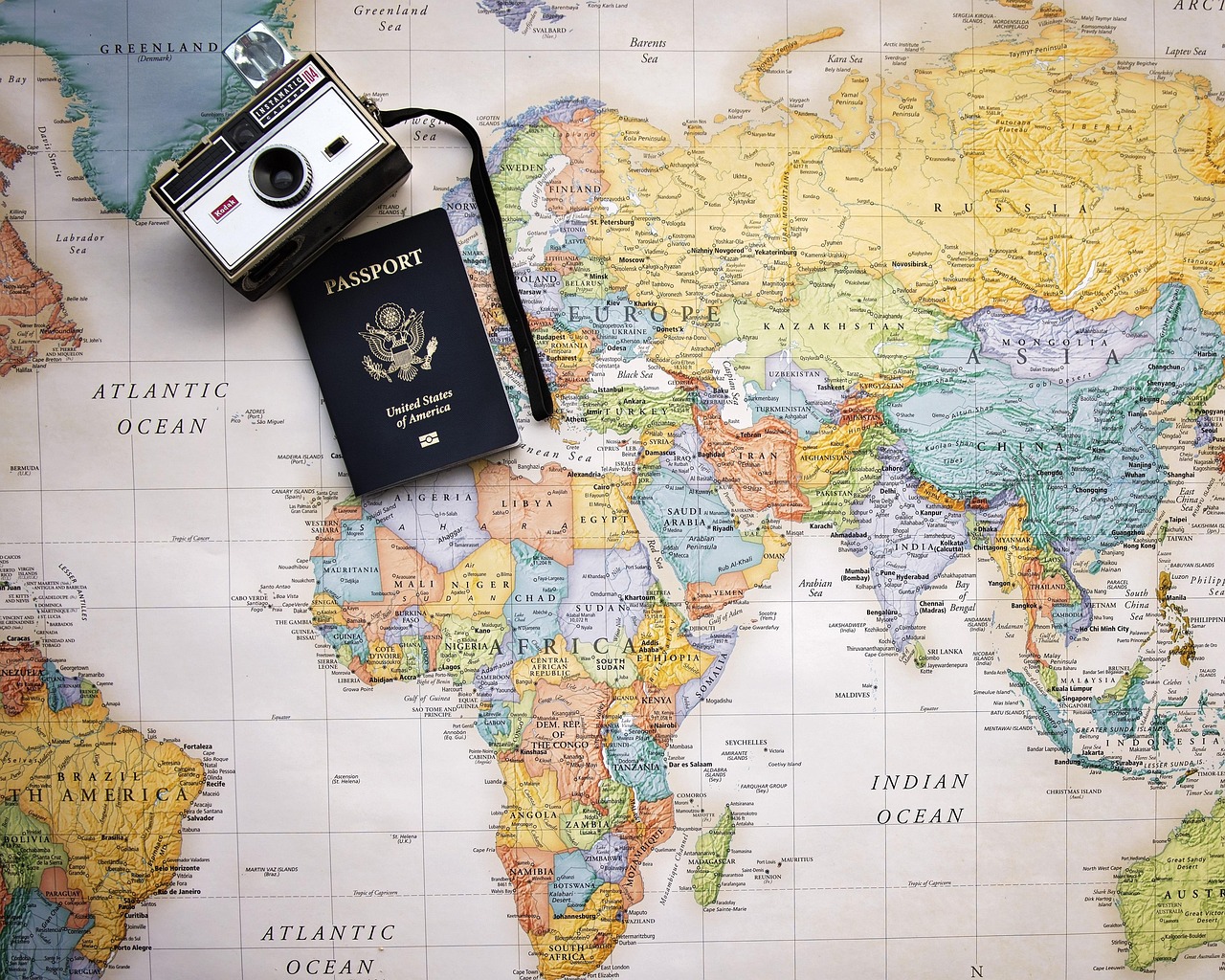
Before buying clothes or gear, organize your paperwork.
Passport and Visas
First, confirm your passport:
- Is valid for at least six months beyond your return date
- Has at least two blank pages
Many African countries require visas. Some offer visas on arrival, while others require advance applications.
Always check official government sources before departure.
Travel Insurance
In addition, purchase comprehensive travel insurance that covers:
- Medical emergencies
- Evacuation from remote areas
- Trip cancellation
- Lost luggage
Medical evacuation alone can cost tens of thousands of dollars without coverage.
Copies of Important Documents
Always carry printed and digital copies of:
- Passport
- Visa
- Insurance policy
- Flight confirmations
- Accommodation bookings
Keep copies in a separate bag for safety.
Health Preparations and Vaccinations
Health planning belongs at the top of every Africa travel essentials checklist.
Visit a travel clinic 6–8 weeks before departure.
They will advise on required and recommended vaccines, including Yellow Fever, Hepatitis A, and Typhoid.
For up-to-date guidance, consult the World Health Organization and the Centers for Disease Control and Prevention.
Malaria Prevention
In many regions, malaria remains a risk.
Therefore:
- Ask your doctor about preventive medication
- Pack insect repellent with DEET or picaridin
- Sleep under mosquito nets when provided
- Wear long sleeves in the evenings
Your Personal Medical Kit
Because pharmacies can be far away, bring a small medical kit:
- Prescription medications
- Pain relievers
- Anti-diarrheal tablets
- Oral rehydration salts
- Motion sickness pills
- Antihistamines
- Bandages and antiseptic cream
- Blister plasters
Also include sunscreen (high SPF), SPF lip balm, and hand sanitizer.
The Golden Rules of Safari Packing
If your trip includes safari, these rules shape everything.
Use Soft-Sided Luggage
Small charter planes have limited cargo space. Hard suitcases often don’t fit.
Instead, pack a soft-sided duffel bag. Weight limits usually range from 15–20 kg—and that includes camera gear.
Therefore, every item must earn its place.
Stick to Neutral Colors
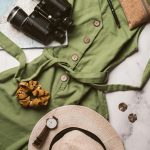
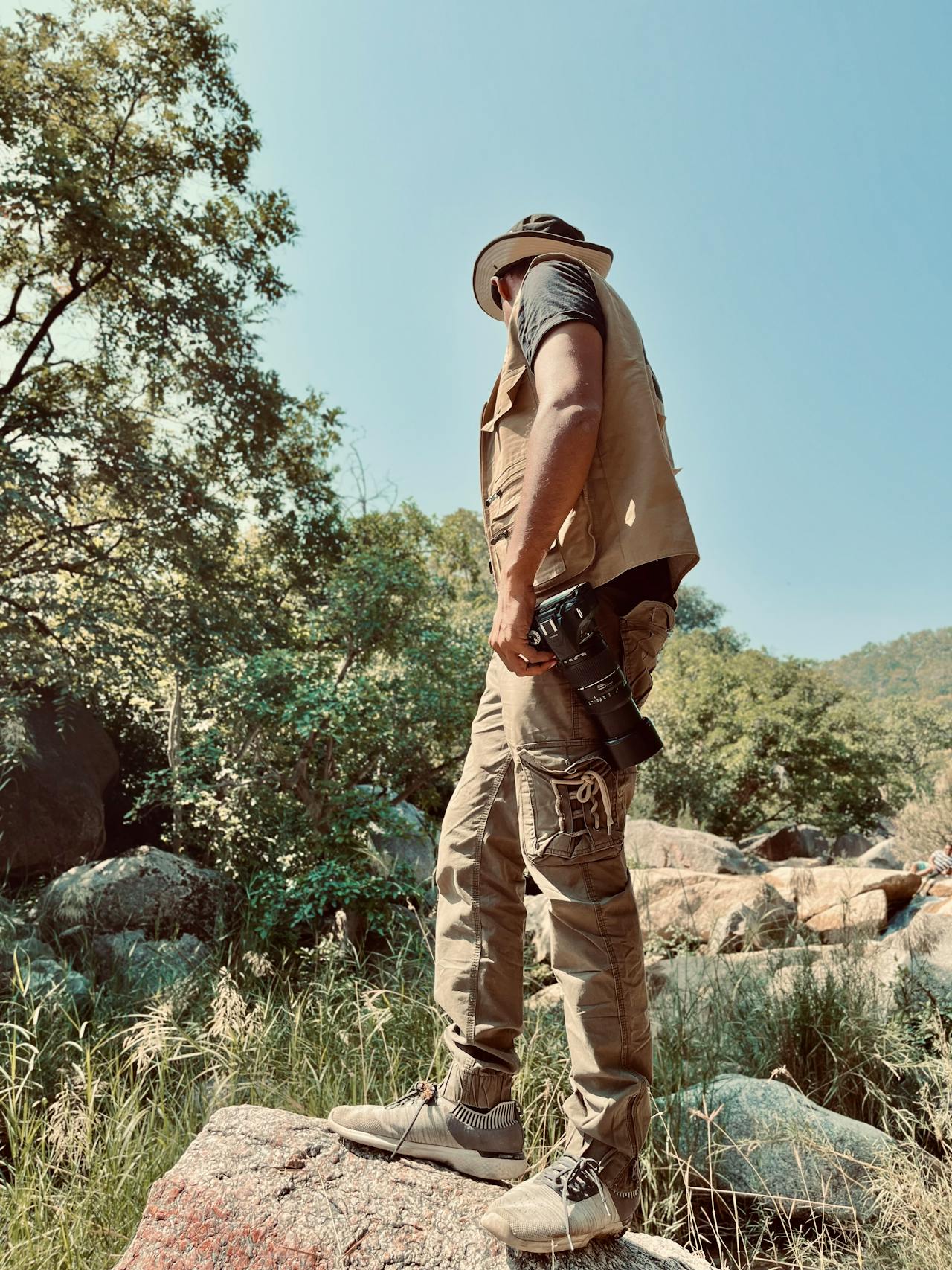
Wear khaki, beige, olive, and light brown.
Avoid bright colors and dark blue or black, which can attract insects.
Neutral tones help you blend into nature and observe wildlife naturally.
Master Layering
Mornings and evenings can be cold, while midday heat is intense.
Layering lets you adapt:
- Lightweight base layer
- Warm fleece
- Packable waterproof jacket
Safari Clothing: Build a Capsule Wardrobe
Tops and Trousers
Pack:
- Short- and long-sleeved breathable shirts
- Zip-off safari trousers
- Lightweight shorts
Long sleeves protect against sun and insects. Avoid denim—it’s heavy and slow to dry.
Outerwear and Footwear
Bring:
- Fleece jacket
- Lightweight rain jacket
- Comfortable walking shoes or trainers
- Sandals for evenings
If you plan gorilla trekking, waterproof hiking boots with ankle support are essential.
Accessories
- Wide-brim hat
- Sunglasses
- Buff or light scarf
A buff protects against dust, sun, and chilly mornings.
Gear and Gadgets for Africa Travel
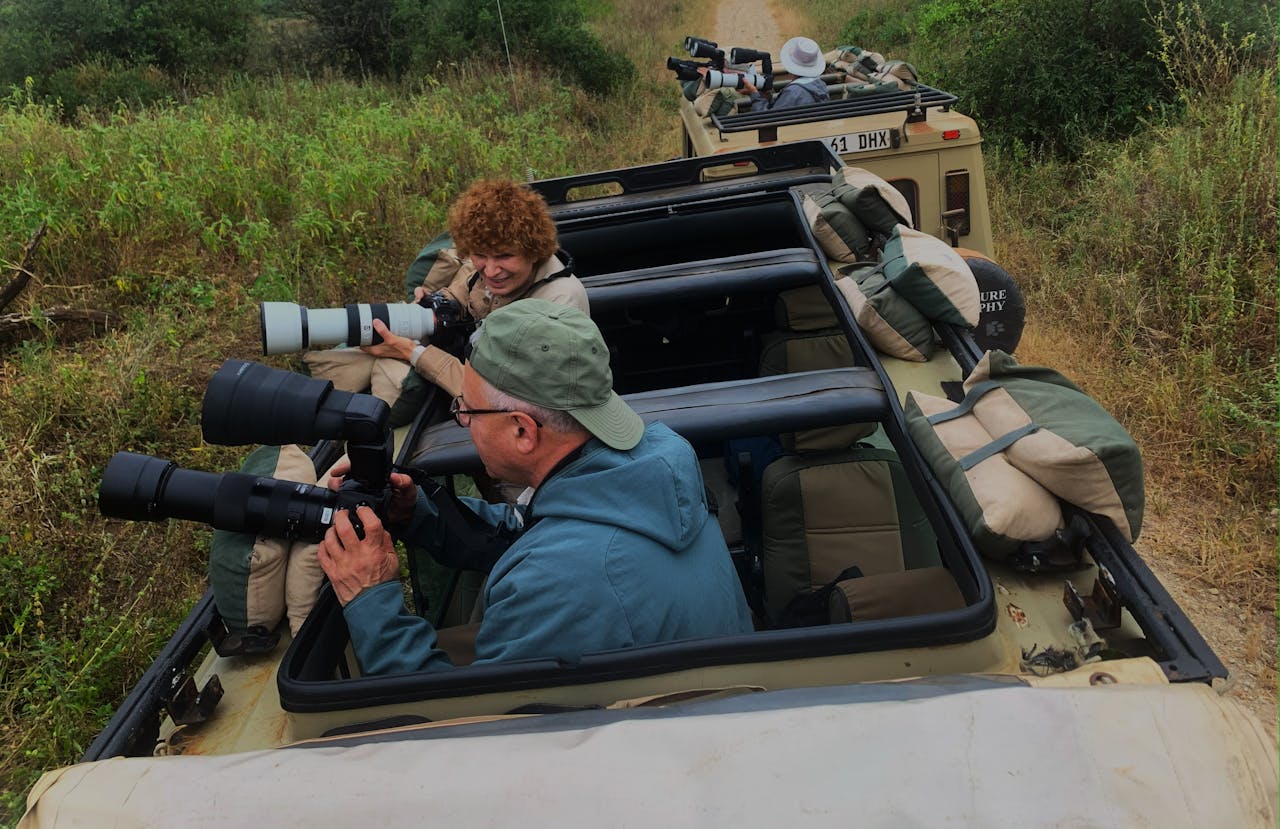
Wildlife Viewing
- Binoculars (8x or 10x recommended)
- Camera with zoom lens
- Extra batteries and memory cards
Binoculars often matter more than cameras for spotting distant animals.
Power and Tech
Electricity can be unreliable.
Pack:
- Universal travel adapter
- Power bank
- Headlamp or flashlight
- Smartphone and chargers
Download offline maps and translation apps before you go.
Money Matters: Cash, Cards, and Budgeting
Cards work in cities and larger lodges. However, rural areas rely on cash.
Bring:
- Debit card for ATMs
- Some local currency
- Small US dollar bills for tipping
Inform your bank before traveling.
Budget Expectations
Costs vary widely.
Backpackers may spend $30–60 per day. Luxury safaris can exceed $500 daily.
Therefore, plan realistically and add a buffer.
Food and Water Safety
Trying local food is part of the adventure. Still, take precautions.
Safe Eating Tips
- Eat freshly cooked meals
- Skip street food if hygiene looks poor
Drinking Water
In some regions, tap water isn’t safe.
Instead:
- Drink bottled or filtered water
- Use purification tablets if needed
- Avoid ice unless confirmed safe
Carry a reusable water bottle. Many lodges provide refill stations.
Connectivity: SIM Cards and Internet
Most travelers buy local SIM cards at airports or shopping centers.
Benefits include:
- Cheaper data
- Local calling
- Reliable navigation
Ask hotel staff for the best provider.
Safety Tips for First-Time Visitors
Africa is generally safe for tourists. However, smart habits matter.
- Don’t flash valuables
- Use hotel safes
- Avoid empty streets at night
- Keep bags zipped and close
Choose registered taxis or hotel transfers whenever possible.
Respecting Local Cultures
Africa is culturally rich and diverse.
- Dress modestly in villages and religious sites
- Learn basic greetings
- Always ask before photographing people
Small gestures build goodwill.
Responsible and Sustainable Travel
You can make a positive impact:
- Choose eco-certified lodges
- Avoid animal exploitation activities
- Buy local crafts
- Reduce plastic use
Several countries ban single-use plastic bags, so leave them at home.
What NOT to Pack
Avoid:
- Hard-shell suitcases
- Too many shoes
- Heavy hair tools
- Expensive jewelry
- Drones (often prohibited in parks)
Pack light and versatile.
Sample Africa Travel Essentials Checklist (Printable)
Documents
- Passport
- Visa
- Travel insurance
- Copies
Health
- Vaccines
- Medications
- First-aid kit
Clothing
- Lightweight outfits
- Neutral safari wear
- Walking shoes
- Jacket
- Swimwear
Gear
- Phone + charger
- Power bank
- Adapter
- Camera
- Binoculars
Toiletries
- Sunscreen
- Hand sanitizer
- Wet wipes
Money
- Cash
- Debit/credit cards
Helpful Resources
You may also enjoy:
For health updates, refer to WHO and CDC websites.
Frequently Asked Questions About Africa Travel Essentials
What should I pack for a trip to Africa?
The exact packing list depends on your destination and travel style. However, most travelers should bring lightweight clothing, comfortable walking shoes, travel documents, medications, insect repellent, sunscreen, and basic electronics.
If your trip includes safari activities, neutral-colored clothing works best because bright colors can disturb wildlife. In addition, early morning game drives can become surprisingly cold, so pack layers such as a fleece jacket and a lightweight waterproof coat.
Your core Africa travel packing list should include:
- Passport and visa documents
- Travel insurance
- Lightweight clothing
- Long-sleeved shirts and trousers
- Comfortable shoes
- Universal power adapter
- Power bank
- Sunscreen and insect repellent
- Personal medications
- Reusable water bottle
- Binoculars for safari trips
Packing light is equally important. Many safari flights enforce strict luggage limits, especially on small aircraft.
What clothes are best for an African safari?
The best safari clothing is lightweight, breathable, and neutral in color. Travelers usually wear khaki, beige, olive green, or light brown because these shades blend into natural surroundings.
Avoid:
- Bright colors like red or neon shades
- Dark blue and black, which can attract tsetse flies
- Heavy denim clothing
Long sleeves and long trousers help protect against sunburn and insect bites. In addition, moisture-wicking fabrics dry quickly and remain comfortable during hot afternoons.
A typical safari outfit includes:
- Lightweight long-sleeved shirt
- Zip-off safari trousers
- Fleece jacket
- Wide-brimmed hat
- Comfortable walking shoes
Layering matters because temperatures can shift dramatically between sunrise and midday.
Is Africa safe for first-time travelers?
Africa is generally safe for tourists, especially when travelers use common sense and prepare properly.
However, safety conditions vary between countries and cities. Therefore, always research your specific destination before traveling.
For safer travel:
- Use registered taxis or hotel transfers
- Avoid displaying expensive valuables
- Stay aware in crowded areas
- Keep copies of important documents
- Avoid isolated streets at night
Most safari destinations and tourist areas maintain strong security because tourism is important to local economies.
In addition, choosing reputable tour operators and accommodations significantly improves safety and convenience for first-time visitors.
Do I need vaccines before traveling to Africa?
Yes, many African destinations recommend or require certain vaccinations.
Common travel vaccines include:
- Yellow Fever
- Hepatitis A
- Typhoid
- Tetanus
- Rabies (for some remote trips)
Some countries legally require proof of Yellow Fever vaccination for entry.
Therefore, visit a travel clinic at least 6–8 weeks before departure. This gives enough time for vaccinations and malaria prevention planning.
You can check current health recommendations through the World Health Organization and the Centers for Disease Control and Prevention.
What luggage is best for Africa travel?
Soft-sided duffel bags are usually the best choice for Africa travel.
Many safari trips involve small bush planes with limited cargo space. Hard-shell suitcases often do not fit properly.
Choose luggage that is:
- Lightweight
- Flexible
- Durable
- Easy to carry
Most safari operators limit luggage to 15–20 kg total, including camera equipment and hand luggage.
In addition, packing cubes help organize clothes without adding much weight.
Can I use my phone and internet in Africa?
Yes, mobile coverage is available in most major cities and tourist areas across Africa.
Many travelers buy local SIM cards because they provide:
- Cheaper data
- Better coverage
- Easier navigation access
Wi-Fi quality varies by location. Luxury lodges and hotels often provide internet access, although speeds may be slower in remote safari areas.
Before traveling, download:
- Offline maps
- Translation apps
- Hotel confirmations
- Digital travel documents
A power bank is also essential during long drives and excursions.
How much money should I bring to Africa?
The amount depends on your travel style and destination.
Budget travelers may spend around $30–60 per day, while luxury safari travelers can spend several hundred dollars daily.
It’s smart to carry:
- A debit card for ATM withdrawals
- Small amounts of local currency
- Small US dollar bills for tipping
Although cards work in many hotels and restaurants, rural areas often rely heavily on cash.
Always notify your bank before traveling internationally.
What should I avoid doing in Africa?
Travelers should avoid behaviors that disrespect local customs, wildlife, or safety rules.
Avoid:
- Wearing revealing clothing in conservative areas
- Taking photos without permission
- Feeding wild animals
- Flashing valuables in public
- Drinking unsafe tap water
- Overpacking heavy luggage
In addition, several African countries ban plastic bags. Therefore, check local regulations before packing.
Respectful travel creates better experiences for both visitors and local communities.
Is tap water safe to drink in Africa?
In many African countries, tap water is considered safe.
Although, some travelers usually drink:
- Bottled water
- Filtered water
- Purified water
Avoid ice unless you know filtered water was used.
A reusable filtered bottle can save money and reduce plastic waste during long trips.
What are the most important safari travel essentials?
The most important safari essentials include:
- Binoculars
- Camera with zoom lens
- Neutral-colored clothing
- Sunscreen
- Insect repellent
- Wide-brim hat
- Reusable water bottle
- Power bank
- Small backpack or daypack
Many travelers underestimate how cold morning game drives can become. Therefore, a fleece jacket or insulated layer is extremely useful.
Good binoculars often improve the safari experience more than expensive cameras because they help you spot distant wildlife clearly.
How far in advance should I plan an Africa trip?
For most trips, planning 3–6 months ahead works well.
However, luxury safaris and gorilla trekking permits may require much earlier booking, especially during peak travel seasons.
Early planning helps you:
- Find better flight prices
- Secure safari lodges
- Arrange vaccinations
- Apply for visas
- Build a realistic budget
In addition, popular safari destinations can sell out quickly during migration seasons and holiday periods.
Final Thoughts on Your Africa Travel Essentials Checklist 2026
Traveling to Africa can be one of the most rewarding experiences of your life. However, success depends on preparation.
This Africa travel essentials checklist 2026 gives you a complete foundation—from documents and health planning to packing smart and traveling responsibly.
Remember the core principles:
- Pack light in a soft bag
- Dress in neutral layers
- Protect your health
- Carry reliable gear
- Respect local cultures
As a result, you stay comfortable, confident, and focused on what truly matters—watching wildlife roam free, meeting welcoming communities, and soaking in Africa’s extraordinary beauty.
Plan well, travel thoughtfully, and enjoy every moment of your adventure.
Safe travels.