
Planning a visit to Kenya’s capital often starts with one big question: how much does Nairobi really cost? This Nairobi trip cost breakdown 2026 gives you a realistic picture of accommodation, food, transport, attractions, and daily expenses — so you can plan with confidence.
Often called the Green City in the Sun, Nairobi blends modern city life with raw wildlife experiences. In fact, it is one of the only cities on Earth where you can photograph rhinos with skyscrapers in the background.
However, Nairobi prices vary widely depending on travel style, neighborhood, and season. Therefore, this guide walks you through budget, mid-range, and luxury costs, plus practical ways to save money without sacrificing experience. Before booking your trip, it’s worth reading our Best Time for a Kenya Safari (2026): Month-by-Month Guide to Wildlife, Weather & Costs to understand how weather, migration seasons, and tourist demand affect hotel and safari prices throughout the year.
By the end, you will know exactly what to expect — and how to stretch every dollar.
Why Nairobi Is Worth the Cost
Before diving into numbers, it helps to understand Nairobi’s appeal.
First, it is Kenya’s economic and cultural heart. In addition, it serves as East Africa’s main safari gateway thanks to Jomo Kenyatta International Airport.
More importantly, Nairobi offers:
- Wildlife encounters minutes from downtown
- Excellent restaurants and coffee culture
- Shopping malls, markets, and art galleries
- Easy access to major safari circuits
As a result, many travelers now stay several days instead of treating Nairobi as a short stopover.
Average Daily Budget in Nairobi (Quick Overview)
Here is a realistic per-person estimate for 2026:
Budget Traveler: $40–$70 per day
- Hostel or basic hotel
- Local meals
- Matatus or buses
- Mostly free or low-cost attractions
Mid-Range Traveler: $90–$160 per day
- Comfortable hotel or Airbnb
- Mix of local and international food
- Uber or Bolt rides
- Guided tours
Luxury Traveler: $250+ per day
- High-end hotels
- Fine dining
- Private transfers
- Premium wildlife experiences
Of course, these figures shift by season. Still, they provide a solid planning baseline.
Accommodation Costs in Nairobi

Your biggest expense will usually be lodging.
Budget Options ($10–$40 per night)
Backpackers can find hostels or simple guesthouses in Kilimani, Ngara, South C, and parts of the CBD.
Expect:
- Dorm beds: $10–$20
- Private budget rooms: $25–$40
However, always check reviews for security and cleanliness.
Mid-Range Hotels & Airbnbs ($50–$120 per night)
Most visitors fall into this category.
You’ll find excellent value in Westlands and Kilimani:
- Boutique hotels: $70–$120
- Modern Airbnb apartments: $50–$90
In addition, many places include breakfast and Wi-Fi.
Luxury Accommodation ($180–$400+ per night)
Nairobi has impressive five-star properties with pools, spas, and fine dining.
Rates typically range from $180 to $400+, depending on season and brand.
Food Prices: Eating Well on Any Budget
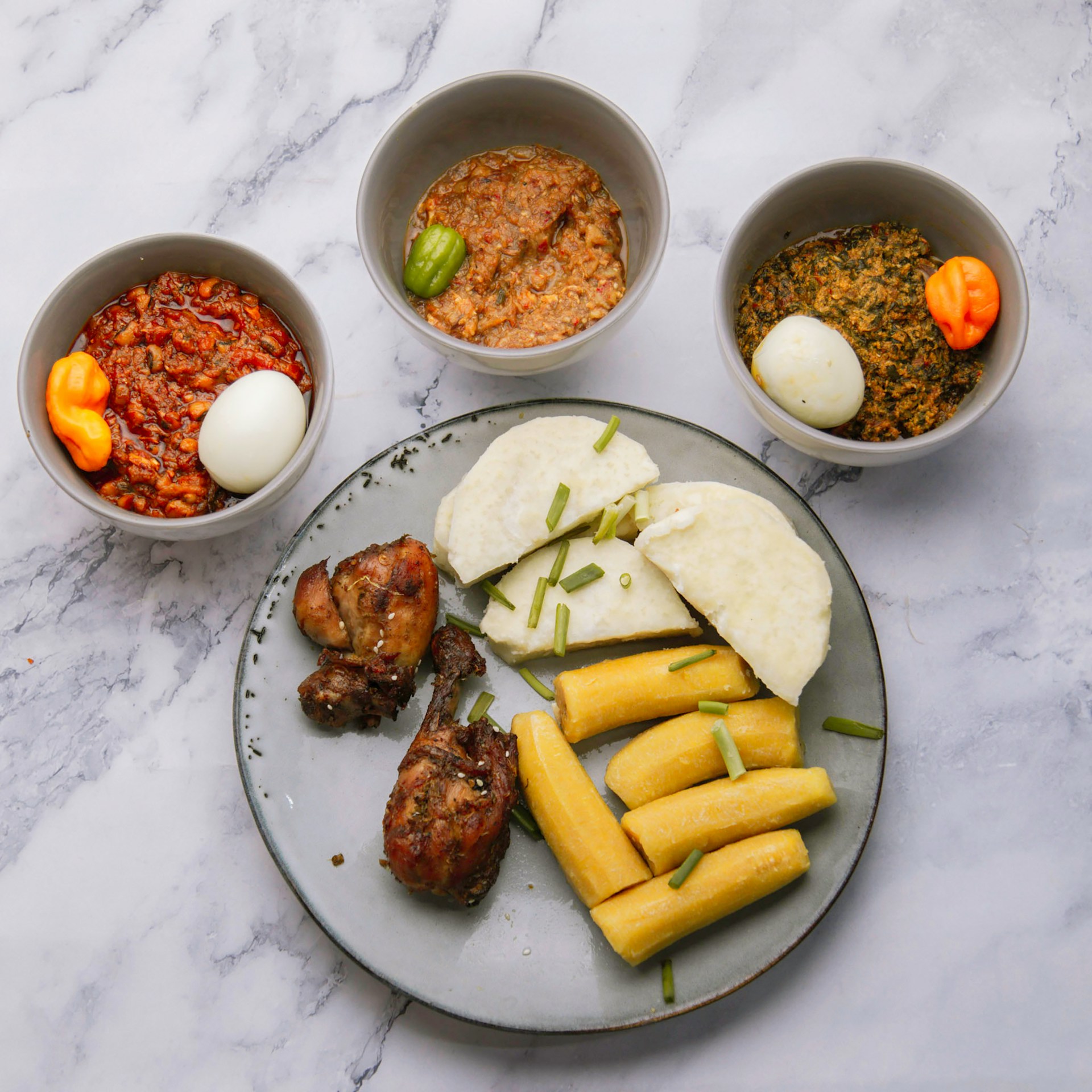
Nairobi is surprisingly affordable for food, especially if you mix local meals with occasional restaurant dining.
Local Eateries & Street Food
- Samosas or smokies: $0.50–$1
- Chapati meal: $2–$4
- Ugali with nyama choma: $4–$7
Therefore, budget travelers can eat well for under $10 per day.
Mid-Range Restaurants
- Main dishes: $8–$15
- Coffee or smoothie: $3–$5
Westlands and Kilimani offer dozens of excellent international options.
Upscale Dining
Three-course meals range from $25–$60+. For meat lovers, Carnivore Restaurant delivers its legendary feast at around $40+ per person.
Prices remain lower than Europe or North America, making luxury dining surprisingly accessible.
Transportation Costs Around Nairobi
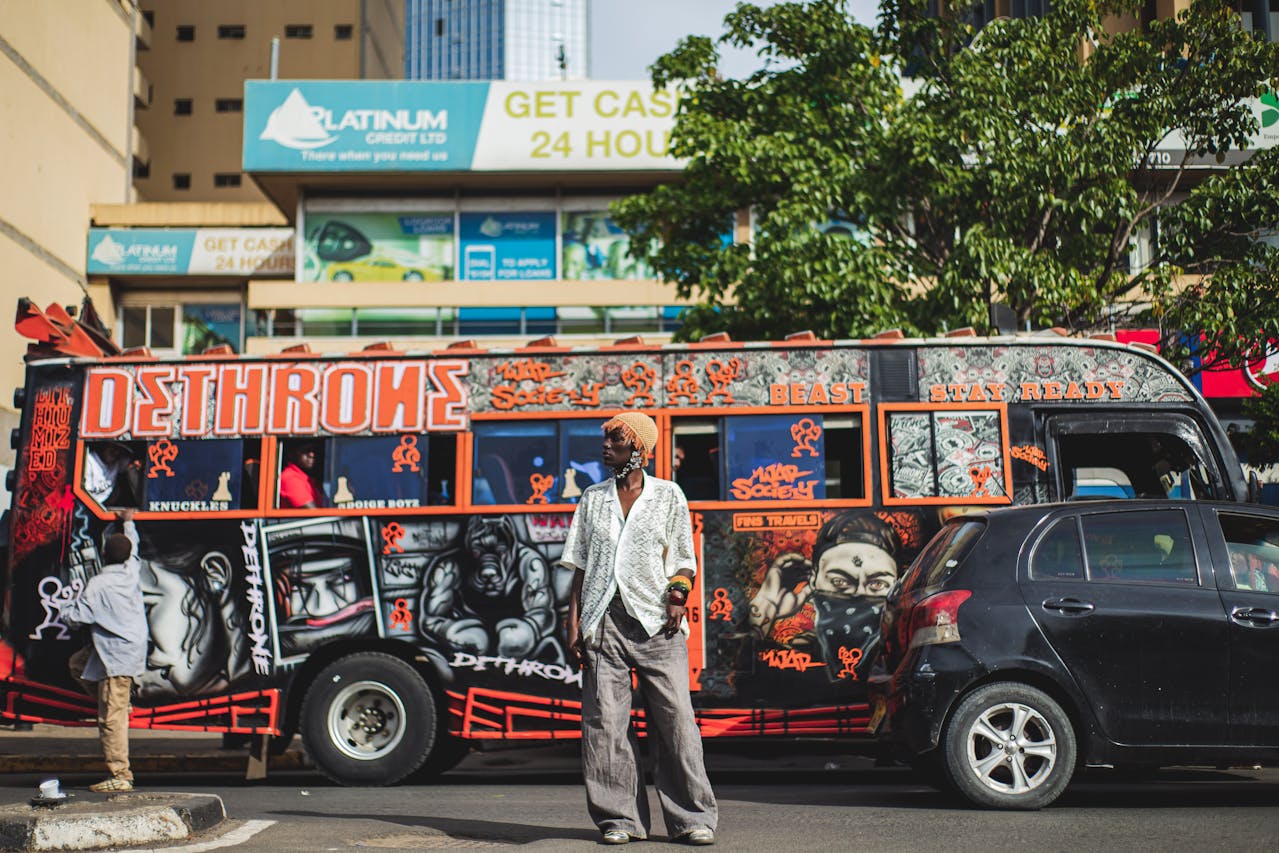
Getting around is easier than many first-time visitors expect.
Airport Transfers
From JKIA to central neighborhoods:
- Uber/Bolt: $10–$20
- Hotel transfer: $25–$50
Ride-Hailing Apps
Uber and Bolt dominate.
Typical fares:
- Short trips: $2–$5
- Cross-city rides: $6–$12
As a result, many visitors skip public transport entirely.
Matatus and Buses
For adventurous travelers:
- Local rides: $0.30–$1
However, routes can be confusing, so beginners usually prefer ride-hailing.
Nairobi National Park and Wildlife Costs
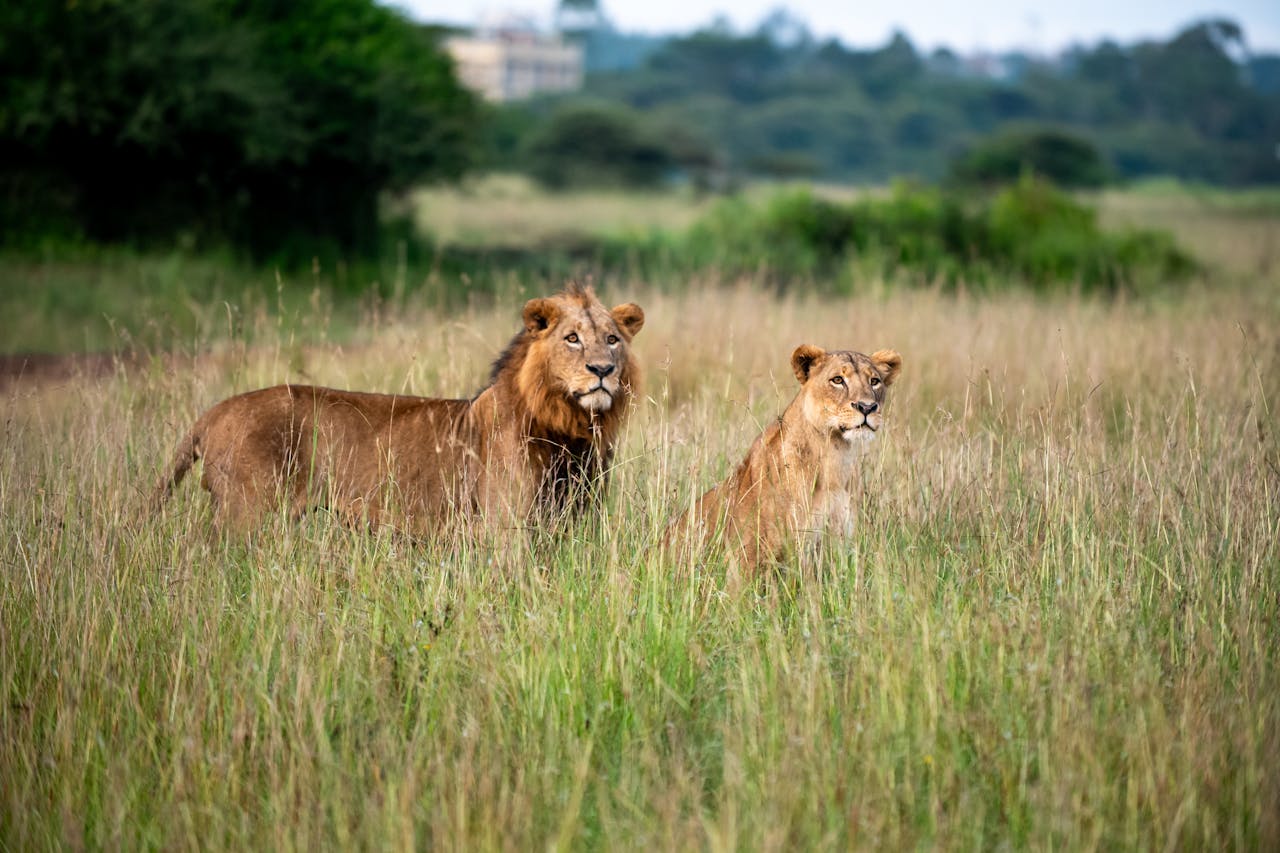
No Nairobi trip feels complete without visiting Nairobi National Park. Always confirm current park fees on the official Kenya Wildlife Service website before visiting.
Entry Fees (Non-Residents)
- Adults: about $43 (check official rates before visiting)
Safari Tours
- Group half-day tours: $40–$80
- Private jeep safari: $130–$195
In addition, popular attractions include:
- David Sheldrick Wildlife Trust: ~$20
- Giraffe Centre: ~$15
- Karen Blixen Museum: ~$10–$12
Sample 3-Day Nairobi Budget (Mid-Range)
Day 1
- Hotel: $90
- Meals: $25
- Uber rides: $10
- Museum visit: $10
Day 2
- Hotel: $90
- Nairobi National Park: $43
- Lunch: $15
- Evening drinks: $12
Day 3
- Hotel: $90
- Giraffe Centre: $15
- Shopping + transport: $20
Estimated Total: $410–$450 (excluding flights)
How Much Cash Should You Carry?
Most hotels and malls accept cards.
Still, carry $50–$100 in Kenyan shillings for:
- Street food
- Small shops
- Local markets
ATMs are widely available in major neighborhoods.
Best Areas to Stay for Value
Westlands
Great restaurants, nightlife, and walkability.
Kilimani
Modern apartments and quieter streets.
Central Business District (CBD)
Cheapest hotels, but louder and busier.
Therefore, most first-time visitors choose Westlands or Kilimani.
Money-Saving Tips for Nairobi
- Travel during shoulder seasons (March–May, October–November)
- Use Uber instead of private taxis
- Eat local at least once daily
- Book park tickets online
- Choose Airbnb for longer stays
As a result, many travelers cut costs by 20–30%.
Is Nairobi Expensive Compared to Other African Cities?
Nairobi sits in the middle range.
It is cheaper than Cape Town or Johannesburg, yet slightly pricier than Kampala or Dar es Salaam. However, the quality of infrastructure and experiences often justifies the cost.
Frequently Asked Questions
Is Nairobi expensive to visit in 2026?
Nairobi is moderately priced, not overly expensive compared to major global cities. However, costs vary depending on your travel style.
- Budget travelers: $40–$70 per day
- Mid-range travelers: $90–$160 per day
- Luxury travelers: $250+ per day
Food and transport are relatively cheap, while accommodation and safari activities can raise your total cost. Therefore, Nairobi can be affordable if you plan carefully.
How much money do I need per day in Nairobi?
A realistic daily budget depends on comfort level:
- Budget: $40–$70 (hostels, street food, matatus)
- Mid-range: $90–$160 (hotels, Uber, restaurants)
- Luxury: $250+ (5-star hotels, private tours)
On average, most travelers spend around $70–$120 per day.
What is the total cost of a trip to Nairobi?
For a typical stay (excluding flights):
- 3 days: $150–$450
- 5 days: $250–$800
- 7 days: $350–$1,200+
Luxury trips can exceed $3,000 depending on hotel choice and activities.
How much does accommodation cost in Nairobi?
Accommodation varies widely:
- Budget: $10–$40 per night
- Mid-range: $50–$120 per night
- Luxury: $180–$400+ per night
Areas like Westlands and Kilimani offer the best value for most travelers.
How much is food in Nairobi?
Food is one of the cheapest parts of visiting Nairobi.
- Street food: $1–$5
- Local meals: $3–$7
- Mid-range restaurants: $8–$15
- Fine dining: $25–$60+
You can comfortably eat on $10–$20 per day if you mix local and casual dining.
What is the cheapest way to get around Nairobi?
The cheapest option is using matatus (shared minibuses).
- Cost per ride: $0.30–$1
However, most visitors prefer ride-hailing apps like Uber or Bolt for convenience:
- Short trips: $2–$5
- Longer rides: $6–$12
How much does a safari in Nairobi National Park cost?
Safari costs vary depending on the experience:
- Park entry: ~$43 (non-residents)
- Group tours: $40–$80
- Private safari: $130–$195
Therefore, a full safari experience can cost between $50 and $200+ per person.
Can I visit Nairobi on a tight budget?
Yes, Nairobi is very manageable on a tight budget.
To stay under $50 per day:
- Stay in hostels
- Eat local food
- Use matatus
- Focus on low-cost attractions
As a result, backpackers can explore the city affordably without missing key experiences.
Is Nairobi cheaper than other African cities?
Nairobi sits in the mid-range.
- Cheaper than: Cape Town, Johannesburg
- Slightly more expensive than: Kampala, Dar es Salaam
However, Nairobi offers better infrastructure and unique wildlife access, which adds value.
How much cash should I carry in Nairobi?
You should carry $50–$100 in Kenyan shillings for daily use.
Cash is needed for:
- Street food
- Local markets
- Small transport payments
However, cards and mobile payments are widely accepted in hotels and malls.
What are the most expensive things in Nairobi?
The biggest costs are:
- Accommodation (especially luxury hotels)
- Safari tours and park fees
- Private transport
Food and local transport remain relatively cheap.
What is the best way to save money in Nairobi?
To reduce costs:
- Travel during low or shoulder seasons
- Use Uber instead of taxis
- Eat at local restaurants
- Book attractions online
- Stay in Airbnb for longer visits
As a result, you can cut your total trip cost by up to 30%.
Is Nairobi safe for tourists on a budget?
Yes, but you should take precautions:
- Use Uber or Bolt at night
- Avoid walking alone in unfamiliar areas
- Keep valuables secure
Popular areas like Westlands and Kilimani are generally safe for visitors.
Do I need travel insurance for Nairobi?
Yes, travel insurance is strongly recommended.
It should cover:
- Medical emergencies
- Trip cancellations
- Activities like safaris
Healthcare for tourists can be expensive without insurance.
Is Nairobi worth visiting for the price?
Absolutely.
Nairobi offers a rare mix of:
- Urban lifestyle
- Wildlife experiences
- Cultural attractions
Few cities in the world provide this combination, making it excellent value for money.
Final Thoughts: Is Nairobi Worth the Price?
Without question.
This Nairobi trip cost breakdown 2026 shows that Kenya’s capital delivers exceptional value across all budgets. From wildlife encounters to vibrant food scenes, Nairobi offers experiences few cities on Earth can match.
Whether you are backpacking or traveling in comfort, Nairobi rewards every dollar spent.
Plan smart, budget realistically — and you will quickly understand why so many visitors fall in love with this dynamic city.