A Kenya self-drive safari guide is essential if you’re considering exploring the country’s wild landscapes on your own terms. Many travelers imagine open savannahs, lions in the distance, and the freedom to stop wherever wildlife appears. However, the reality of driving yourself through national parks is more complex than it first seems.
In this comprehensive guide, you’ll learn exactly what a self-drive safari involves, how much it costs, which parks are beginner-friendly, and when a guided option might be smarter. In addition, we’ll examine safety, vehicle requirements, navigation tools, environmental responsibility, and real-world challenges. By the end, you’ll know whether this adventure style fits your travel personality.
What Is a Self-Drive Safari?
A self-drive safari means renting a 4×4 vehicle and exploring Kenya’s national parks and reserves without a professional driver-guide.
Instead of joining an organized tour, you manage:
- Vehicle rental
- Park entry permits
- Accommodation bookings
- Fuel and supplies
- Navigation
- Game drive timing
For example, you might collect your vehicle in Nairobi, drive into the Maasai Mara, spend several days tracking wildlife independently, and then continue to another park. Therefore, you become both traveler and expedition leader.
This format appeals to people who see driving not just as transportation, but as part of the adventure.
Why Travelers Choose a Self-Drive Safari
Many visitors consider this option for three primary reasons.
- Freedom and Flexibility
You decide when to wake up and when to head out. If you find lions at sunrise, you can stay as long as you want. If one area feels quiet, you simply move elsewhere.
In contrast, guided safaris follow structured schedules. Therefore, self-driving offers unmatched flexibility.
- Privacy
You travel only with your companions. There is no shared vehicle with strangers. As a result, couples and families often prefer this arrangement.
Photographers also benefit. They can position the vehicle exactly as needed without group pressure.
- Cost Control
Some assume self-driving is much cheaper. While that can be true in limited cases, costs vary significantly. However, you eliminate daily guide fees and can choose budget accommodation.
Still, hidden expenses require careful calculation.
Real Cost Breakdown of a Self-Drive Safari
Costs depend on season, park selection, and accommodation level. Below is a realistic daily estimate for two people.
Vehicle Rental
- 4×4 rental: $120–$200 per day
- Comprehensive insurance: often included, confirm coverage
- Extra equipment (GPS, camping gear): additional fee
A Toyota Land Cruiser is the most common choice due to durability.
Fuel
- $40–$70 per day depending on distance
- Remote parks require extra planning
Park Entry Fees
Managed by the Kenya Wildlife Service, fees vary:
- $60–$200 per person per day (non-resident rates vary by park)
Check official rates on the Kenya Wildlife Service website (external source).
Accommodation
- Budget campsite: $30–$70
- Mid-range lodge: $100–$250
- Luxury lodge: $300+
Daily Total Estimate
$250–$600+ per day for two people.
Therefore, self-drive costs often approach budget guided safari pricing.
Is a Self-Drive Safari in Kenya Safe?
Safety is the most important factor.
Kenya is generally tourist-friendly. However, safari regions are remote. Mobile coverage can disappear inside reserves. In addition, recovery services are limited.
Key Safety Considerations
- Wildlife can approach vehicles unpredictably
- Roads may become impassable after rain
- Navigation apps sometimes fail
- Flat tires are common
- Breakdown assistance may take hours
Therefore, preparation is critical.
Best National Parks for a Self-Drive Safari in Kenya
Not all parks are equal for independent driving.
Beginner-Friendly Parks
Lake Nakuru National Park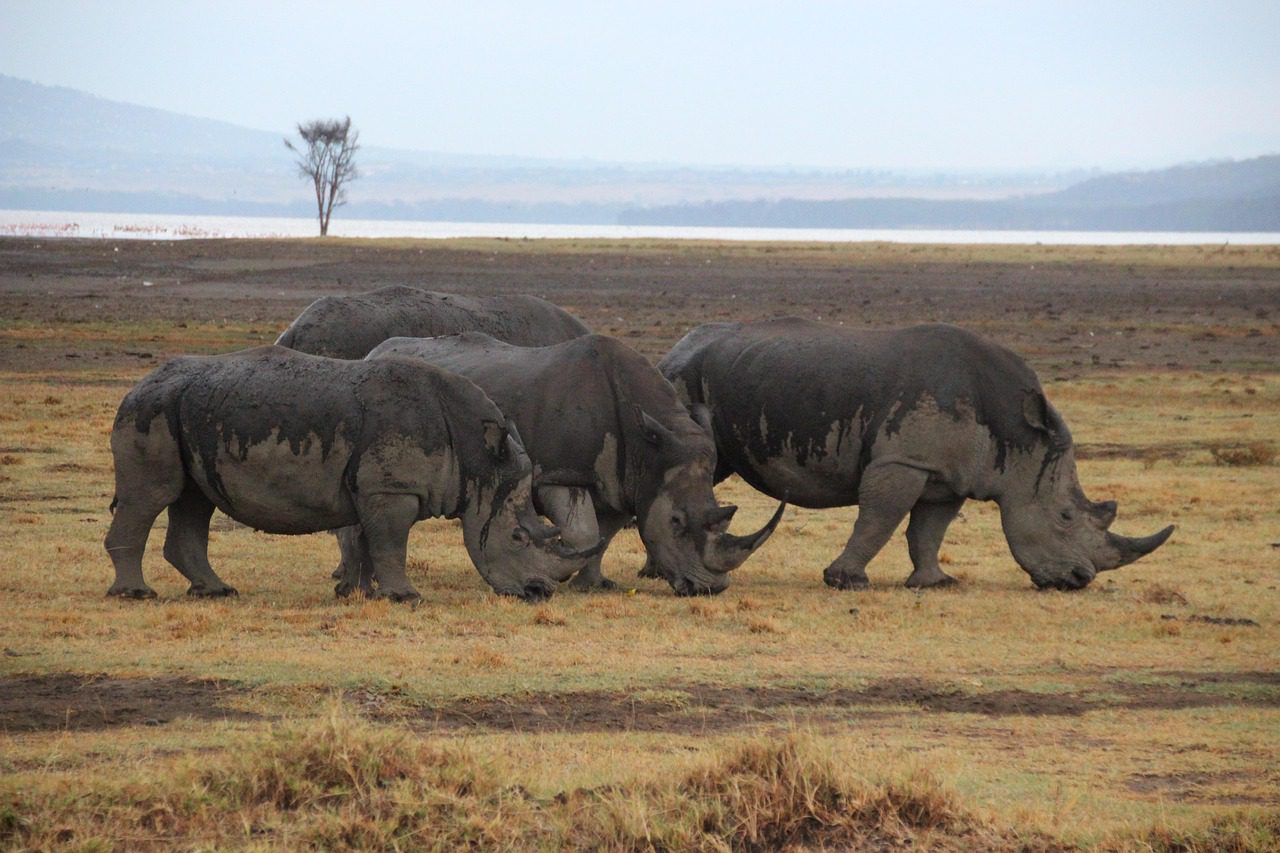
Compact and well signposted, Lake Nakuru is ideal for first-timers. You’ll likely see rhinos, giraffes, and flamingos. Roads are manageable year-round.
Nairobi National Park
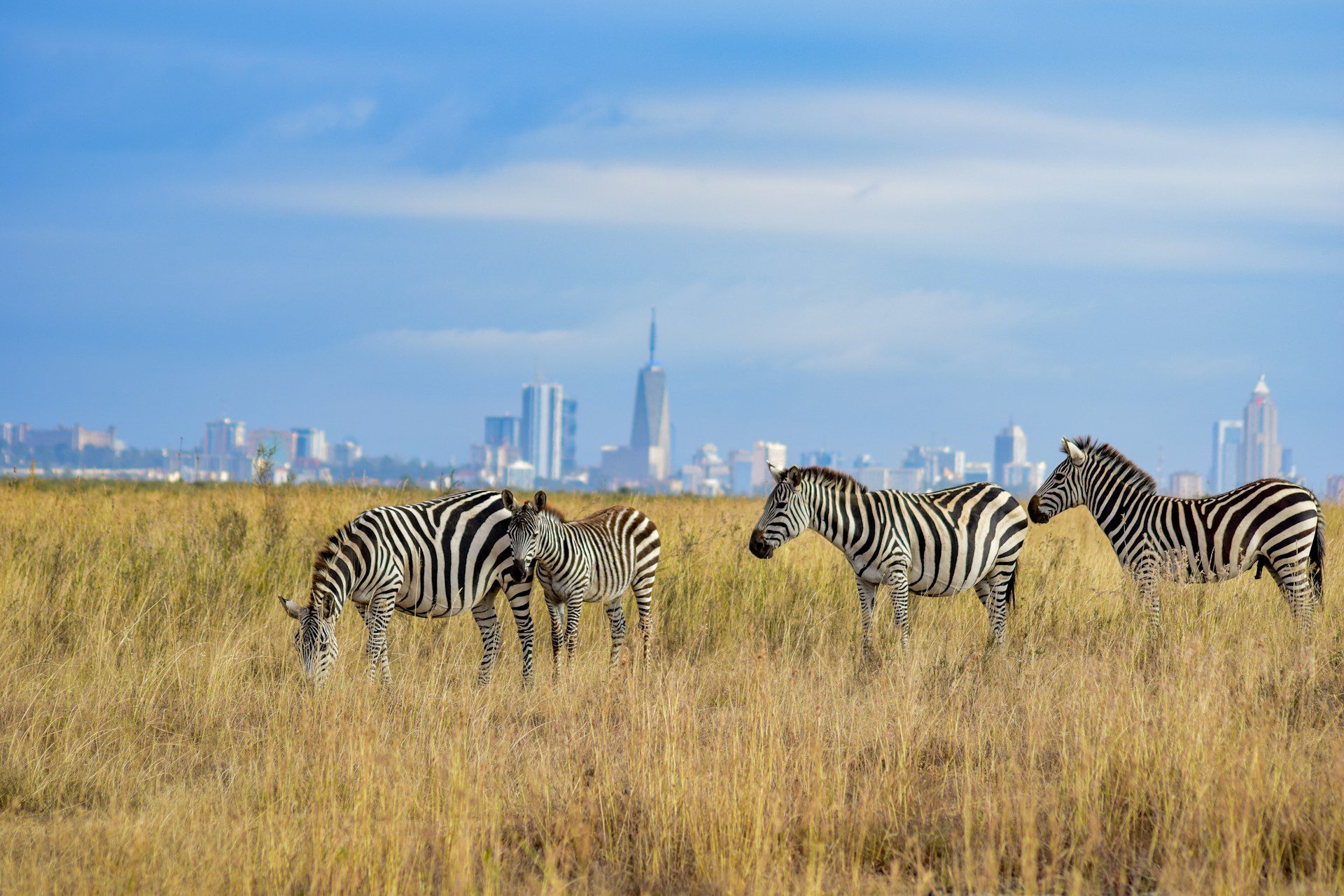
Located near the capital, this park offers lions and rhinos against a city skyline. Because it’s small, navigation is easier.
Hell’s Gate National Park
Unique because there are no dangerous predators. You can even cycle through parts of the park.
Ol Pejeta Conservancy
Well-maintained roads and excellent signage. It’s also home to chimpanzees.
Parks for Experienced Drivers
Amboseli National Park
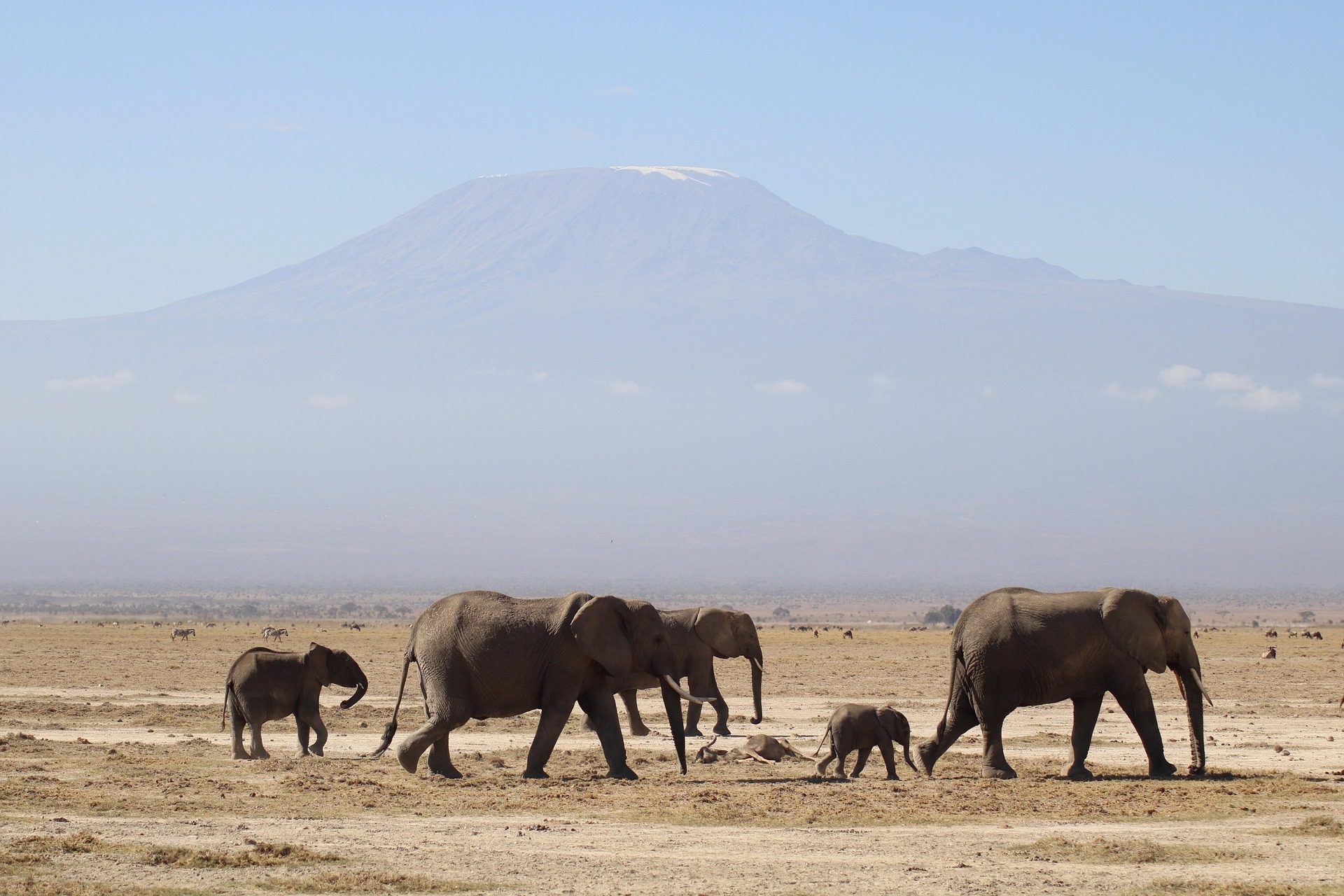
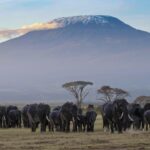
Famous for elephants and Mount Kilimanjaro views. However, roads flood quickly during rainy months. To know more about Amboseli read this Amboseli Safari Guide 2026.
Tsavo East National Park & Tsavo West National Park
Vast and remote. Distances are long. Navigation requires skill.
Samburu National Reserve
Remote terrain with rough tracks. A confident driver is essential.
Parks to Approach With Caution
Maasai Mara National Reserve
While popular, black-cotton soil becomes extremely slippery after rain. River crossings and deep ruts challenge beginners.
Aberdare National Park
Dense forest and steep muddy slopes make this difficult without strong 4×4 skills.
What Vehicle Do You Need?
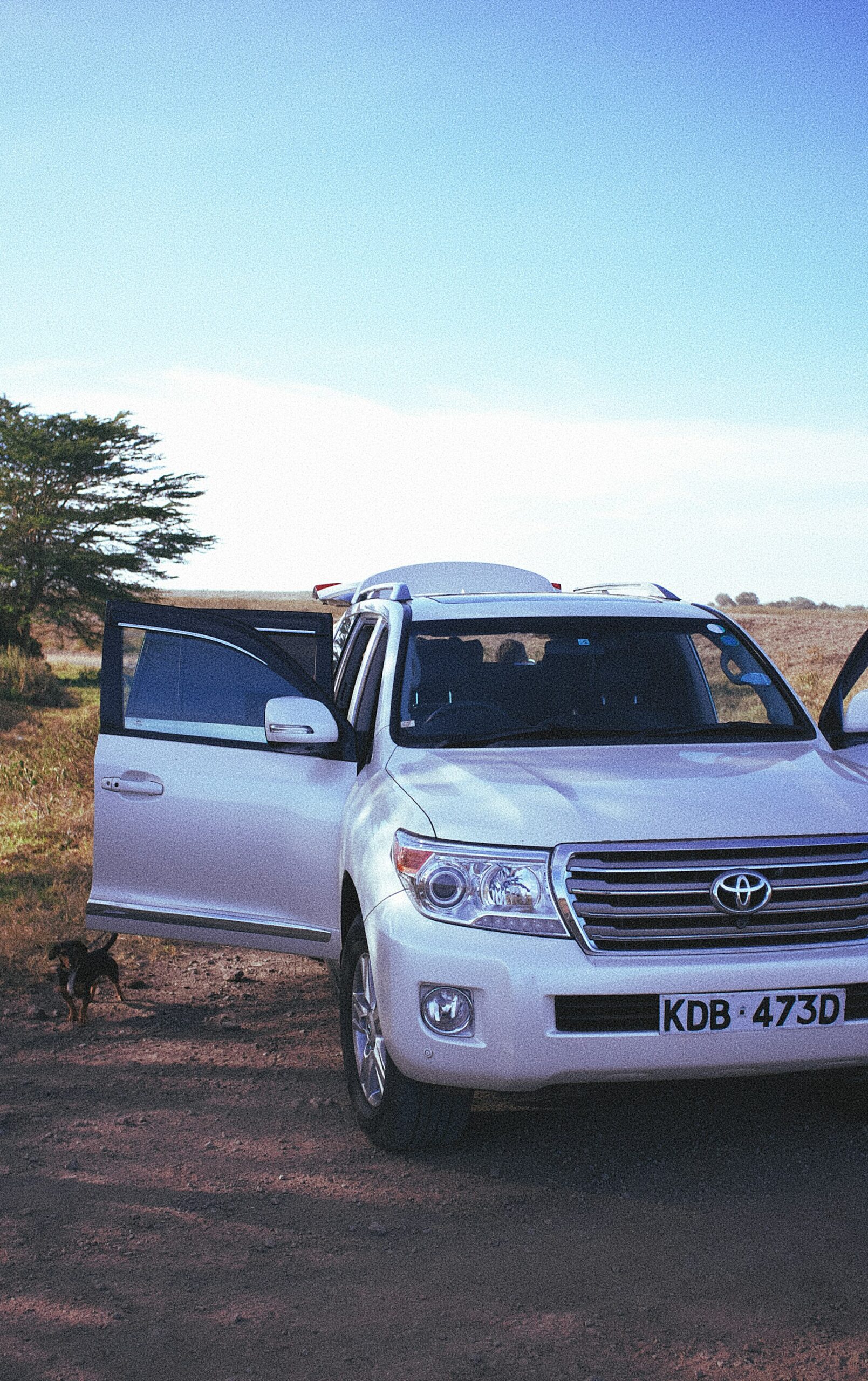
A proper 4×4 is non-negotiable.
Essential features:
- High ground clearance
- Two spare tires
- Jack and toolkit
- Recovery strap
- Pop-up roof for viewing
- Long-range fuel tank
Avoid standard SUVs. They struggle in mud and sand.
For vehicle rental comparisons, see reputable providers such as Road Trip Kenya (external reference).
Guided Safari vs Self-Drive Safari
Let’s compare objectively.
Self-Drive Advantages
- Full independence
- Flexible timing
- Private vehicle
- Potential cost savings
Self-Drive Disadvantages
- No wildlife tracking expertise
- Navigation challenges
- Breakdown risk
- No radio network for sightings
Guided Safari Advantages
- Professional wildlife tracking
- Radio communication between guides
- Stress-free logistics
- Cultural insights
Therefore, guided safaris often produce more wildlife sightings with less effort.
For example, guides communicate instantly when someone spots a leopard. Self-drivers rarely receive that information.
Do You Miss Wildlife Without a Guide?
Often, yes.
Professional guides study animal behavior for years. They read tracks, bird alarm calls, and movement patterns. In contrast, independent drivers rely heavily on luck.
As a result, you may pass a leopard hidden in tall grass without noticing.
When Is the Best Time for a Self-Drive Safari?
Dry Season (June–October, January–February)
- Easier roads
- Better wildlife visibility
- Higher prices
Green Season (March–May, November)
- Fewer crowds
- Lower accommodation rates
- Muddy roads
Therefore, beginners should aim for dry months.
Navigation and Planning Essentials
Preparation reduces risk significantly.
Before Departure
- Download offline maps (Maps.me or Google offline)
- Carry paper maps
- Inform your lodge of your route
- Purchase a local SIM card
During Game Drives
- Start early morning
- Avoid night driving
- Respect speed limits (usually 40 km/h)
- Never exit the vehicle except at designated areas
Driving after dark is extremely dangerous. Wildlife moves unpredictably, and visibility drops sharply.
Legal Requirements
You must carry:
- Passport copy
- International Driving Permit
- Vehicle registration
- Insurance documents
Most parks require advance payment via Kenya’s eCitizen system.
Rules are enforced by the Kenya Wildlife Service. Fines apply for violations.
Environmental Responsibility
Responsible self-driving protects ecosystems.
Follow Leave No Trace principles:
- Stay on marked tracks
- Never chase animals
- Keep noise low
- Carry out all waste
Off-road driving damages fragile soils, especially in the Maasai Mara.
Who Should Choose a Self-Drive Safari?
Ideal candidate:
- Experienced off-road driver
- Confident planner
- Comfortable with uncertainty
- Budget-aware
- Mechanically capable
Not ideal if:
- First safari experience
- Traveling with very young children
- Prefer relaxed travel
- Uncomfortable handling vehicle issues
Frequently Asked Questions About a Self-Drive Safari in Kenya
Is a self-drive safari in Kenya safe?
A self-drive safari in Kenya is generally safe, but it depends heavily on preparation and behavior.
Kenya is a major tourism destination, and authorities actively protect visitors. However, safari areas are remote. Therefore, risks such as vehicle breakdowns, poor road conditions, and wildlife encounters must be taken seriously.
To stay safe:
- Avoid driving at night (high accident risk)
- Stick to main routes and park roads
- Carry emergency contacts and insurance
- Keep doors locked and windows controlled near wildlife
In addition, travel insurance is essential because emergency evacuation from remote parks can be expensive .
👉 Bottom line: Safe if you plan properly—but not risk-free.
How much does a self-drive safari in Kenya cost?
Costs vary depending on travel style, but most travelers underestimate the total.
Average Daily Cost (2 people):
- 4×4 rental: $120–$200
- Fuel: $40–$70
- Park fees: $60–$200 per person
- Accommodation: $50–$300+
- Food & extras: $25–$50
👉 Estimated total: $250–$600+ per day
Costs depend on vehicle type, trip duration, and season .
👉 Key insight: Self-drive is not always cheaper than guided safaris.
Do you need a 4×4 vehicle for a self-drive safari?
Yes—a 4×4 is absolutely required.
Safari roads are often:
- Muddy during rainy seasons
- Sandy or rocky
- Uneven with deep ruts
Standard cars or small SUVs struggle in these conditions.
Recommended vehicles:
- Toyota Land Cruiser
- Land Rover Defender
- Toyota Prado
👉 Conclusion: A proper 4×4 is non-negotiable for safety and access.
Can beginners do a self-drive safari in Kenya?
Yes, but only in beginner-friendly parks.
Best options:
- Lake Nakuru National Park
- Nairobi National Park
- Hell’s Gate National Park
These parks have:
- Better roads
- Clear signage
- Smaller areas
However, remote parks like Tsavo or Samburu require experience.
👉 Recommendation: First-time safari travelers should consider guided safaris.
Do you miss wildlife without a guide?
Yes—very often.
Professional guides:
- Use radio networks to share sightings
- Track animals using footprints and behavior
- Know migration patterns
Self-drivers rely on luck and observation.
👉 Result: You may miss key sightings like leopards or cheetahs.
What documents do you need for a self-drive safari?
You must carry:
- Valid passport
- Driving license
- International Driving Permit (recommended or required)
- Vehicle registration and insurance
Some rental companies also require:
- Minimum age (often 23+)
- Driving experience (typically 2–5 years)
👉 Tip: Always keep copies of documents in the vehicle.
Is it allowed to drive inside national parks in Kenya?
Yes, self-driving is allowed in most parks.
However, strict rules apply:
- Stay on designated tracks
- No off-road driving
- No night driving in most parks
- Follow speed limits
Park authorities enforce these rules strictly, and violations can lead to fines or removal. More rules can be found on Kenya Wildlife Service website.
What is the best time for a self-drive safari in Kenya?
Best Time: Dry Season
- June to October
- January to February
Benefits:
- Easier road conditions
- Better wildlife visibility
Avoid for Beginners: Rainy Season
- March to May
- November
Roads become muddy and difficult.
👉 Conclusion: Dry season is safest and easiest.
Can you drive between parks on your own?
Yes, but it requires planning.
You can drive from Nairobi to parks like:
- Maasai Mara
- Amboseli
- Nakuru
However:
- Roads vary in quality
- Fuel stations are limited in remote areas
- Navigation can be challenging
👉 Tip: Always plan routes and refueling stops in advance.
Is a guided safari better than self-drive?
For most travelers—yes.
Guided Safari Advantages:
- Better wildlife sightings
- No navigation stress
- Expert knowledge
- Vehicle support
Self-Drive Advantages:
- Freedom and flexibility
- Privacy
- Adventure
👉 Final insight:
Guided safaris offer better results; self-drive offers more independence.
Can you camp during a self-drive safari?
Yes, many parks have designated campsites.
However:
- Facilities are basic
- You must bring your own equipment
- Safety rules are strict
Some rental vehicles come with rooftop tents.
👉 Tip: Always book campsites in advance.
Is driving in Kenya difficult?
It can be.
Challenges include:
- Left-hand driving
- Rough park roads
- Poor signage in remote areas
- Unpredictable conditions
👉 Advice: Only attempt if you are confident and experienced.
Do you need travel insurance for a self-drive safari?
Yes—it is essential.
Insurance should cover:
- Medical emergencies
- Evacuation
- Vehicle damage
- Trip interruptions
Remote locations mean help can be expensive and delayed .
Can you cross borders on a self-drive safari?
Yes, but only with permission.
You must:
- Get written approval from the rental company
- Have proper insurance (e.g., COMESA cover)
- Carry all documents
Without permission, border crossing is not allowed .
Is a self-drive safari in Kenya worth it?
It depends on your travel style.
Worth it if you:
- Love independence
- Have off-road experience
- Enjoy planning
- Want adventure
Not ideal if you:
- Are a first-time safari traveler
- Prefer comfort and ease
- Want guaranteed wildlife sightings
👉 Final answer:
Yes—for the right traveler.
Final Verdict: Is It Worth It?
A Kenya self-drive safari guide can provide knowledge, but your decision depends on personality.
If you value independence and accept logistical challenges, self-driving can be deeply rewarding. You control your schedule, routes, and pace.
However, if you want maximum wildlife sightings with minimal stress, guided safaris often deliver better results.
Ultimately, Kenya rewards both travel styles. The key is honest self-assessment and thorough preparation.
Internal Resources
- See our comparison on 3-Day vs 5-Day Kenya Safari
- Explore our Maasai Mara Safari Guide
- Read our Budget Kenya Safari Guide