Planning a safari can feel overwhelming at first. However, a clear Kenya safari itinerary planner makes the process simple because you know exactly where to go, how long to stay, and what you can realistically see.
Whether you want a quick wildlife getaway or a full week exploring Kenya’s most famous reserves, this guide helps you choose the right route and avoid common mistakes.
Why Kenya Is One of the Best Safari Countries in Africa
Kenya is a classic safari destination for a reason. It combines high wildlife density, dramatic landscapes, and strong tourism infrastructure. As a result, it works well for first-time visitors and repeat travelers alike.
Here’s what makes Kenya stand out:
- Big wildlife viewing: You have strong chances of seeing lions, elephants, buffalo, leopards, and rhinos in the right parks.
- Iconic scenery: From open savannah to Rift Valley lakes, the landscapes change quickly, which keeps each day interesting.
- The Great Migration: The Maasai Mara is one of the most famous stages for migration action, especially mid-year.
- Wide accommodation range: You can choose budget camps, mid-range lodges, or premium luxury properties.
- Culture adds depth: Visits near Maasai communities can add a meaningful cultural layer to your trip.
Outbound link suggestions
- Kenya Wildlife Service (official protected areas information)
- Kenya Ministry of Tourism / Kenya Tourism Board (destination planning and guidance)
- World Meteorological Organization (climate and seasonal reference)
Understanding Kenya’s Safari Circuits Before You Choose an Itinerary
Before you pick a route, it helps to understand Kenya’s two main safari regions. This step alone will make your Kenya safari itinerary planner far more accurate.
The Southern Circuit (Most Popular for First-Time Visitors)
The Southern Circuit packs Kenya’s most famous highlights into a manageable area. Therefore, it’s ideal for short trips.
Key parks and reserves include:
- Maasai Mara National Reserve
- Amboseli National Park
- Lake Nakuru National Park
- Lake Naivasha (often used for boat rides and walking options)
- Tsavo West / Tsavo East (excellent for variety and scenery)
The Northern Circuit (More Remote and Unique Wildlife)
The Northern Circuit feels more rugged and less crowded in many places. In addition, it offers species you’re less likely to see in the south.
Top northern destinations include:
- Samburu National Reserve
- Buffalo Springs
- Laikipia Plateau / conservancies
Signature “northern specials” can include:
- Grevy’s zebra
- Reticulated giraffe
- Somali ostrich
If you only have 3–5 days, you’ll usually get the best value in the Southern Circuit. However, if you have 7 days and want something different, the Northern Circuit becomes a smart upgrade.
How to Choose the Right Safari Length: 3 vs 5 vs 7 Days
Use these three factors to choose the best plan.
1) Time Available
If you only have a long weekend, a 3-day safari can still be excellent. However, if you’re flying internationally, 5 or 7 days usually feel more “worth it” because you reduce the pressure to rush.
2) Budget
More days increase costs through park fees, accommodation, and transport. Therefore, decide early whether your priority is more parks or better comfort.
3) Wildlife Priorities
If your main goal is big cats and classic savannah wildlife, the Maasai Mara should lead your plan. On the other hand, if you want mountain backdrops and elephants, Amboseli is hard to beat.
The Best 3-Day Kenya Safari Itinerary Options
A 3-day safari works best when you focus on one major destination. As a result, you minimize driving time and maximize game viewing.
Option 1: Maasai Mara Express (Most Popular 3-Day Safari)
Day 1: Nairobi → Maasai Mara
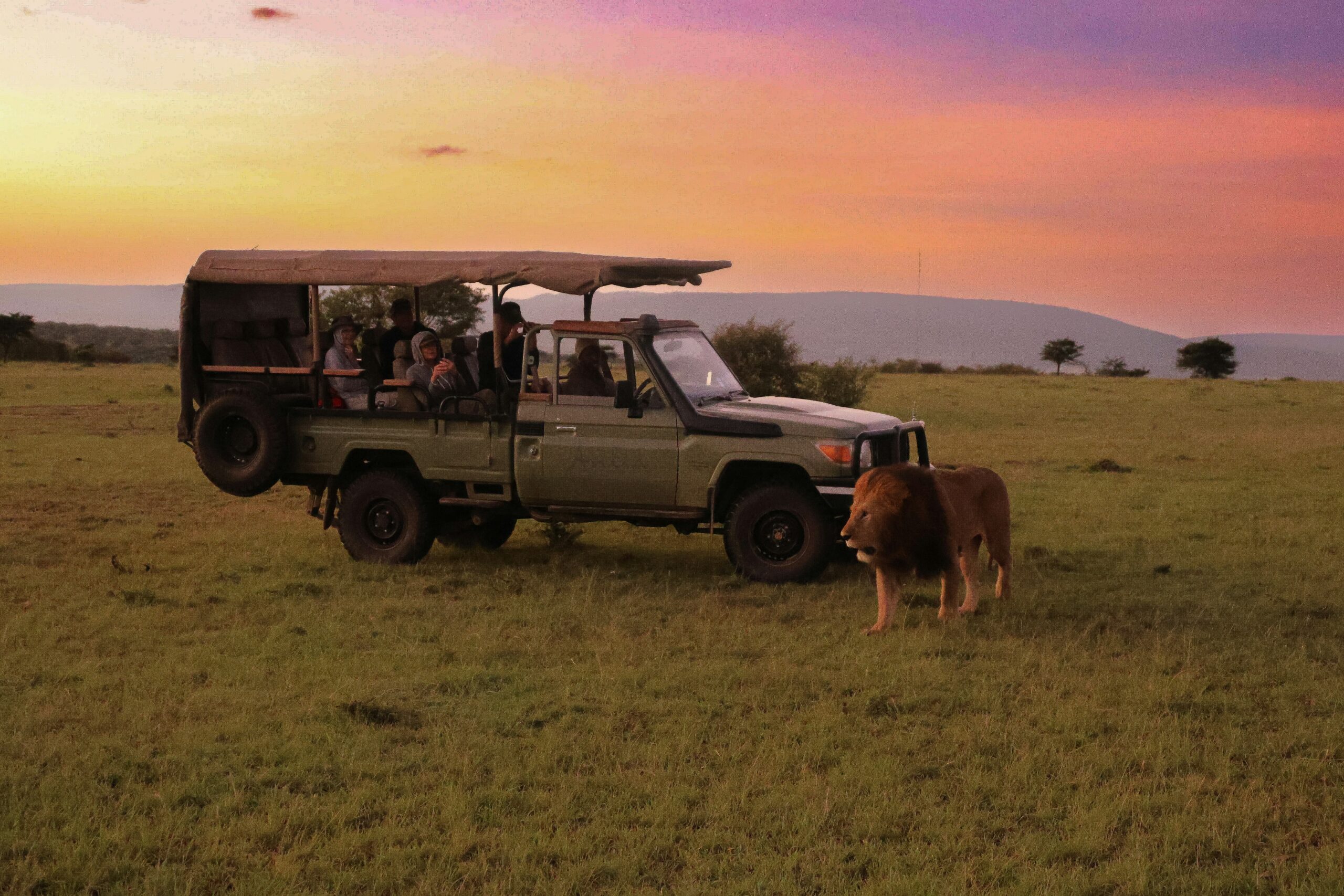
Leave Nairobi early. The drive usually takes about 5–6 hours, and you can stop at a Rift Valley viewpoint along the way. After lunch at camp or lodge, head out for an afternoon game drive.
What you might see quickly:
- Zebra and wildebeest herds
- Giraffes and antelope
- Lions starting to move as temperatures cool
Day 2: Full-Day Game Drives in the Mara
This is your core safari day. Start at sunrise because predators are often active early. Then continue exploring different habitats and river areas.
Top wildlife highlights:
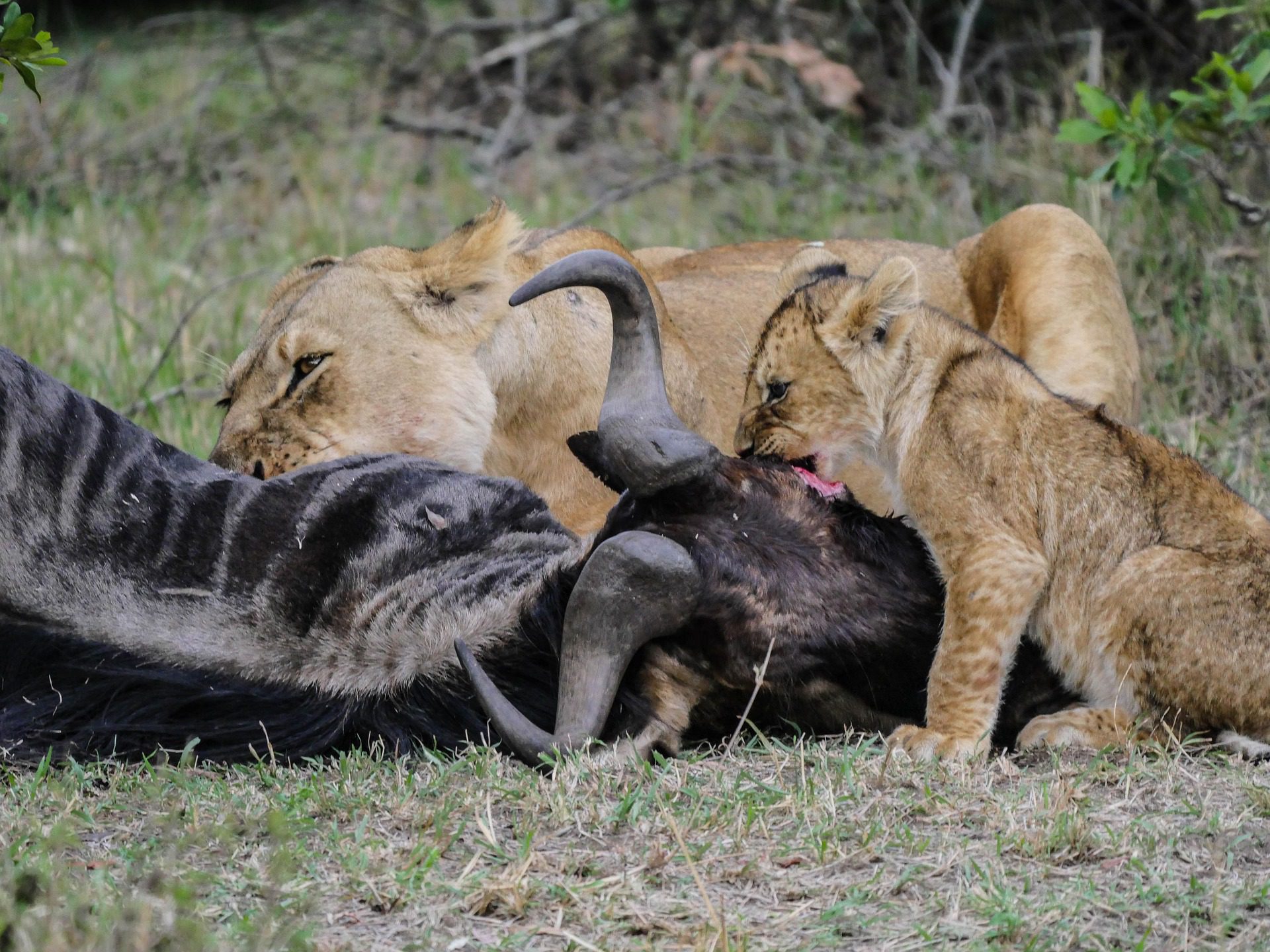
- Lions and cheetahs
- Elephants and buffalo
- Hippos and crocodiles in river zones
- Leopards if you get lucky and stay patient
Optional upgrade: a sunrise hot air balloon safari, followed by a bush breakfast. It’s expensive, but many travelers rate it as a once-in-a-lifetime experience.
Day 3: Sunrise Drive → Return to Nairobi
Do a short morning game drive if timing allows. Then return to Nairobi by mid-to-late afternoon.
Best for: first-time travelers, tight schedules, big-cat lovers, and “add-on” safaris from city or coast trips.
Estimated costs (private safari ballpark)
- Budget: USD 950 – 1,250 per person
- Mid-range: USD 1,250 – 1,750 per person
- Luxury: USD 1,850 – 2,250+ per person
(Costs vary by season, group size, vehicle type, and accommodation level.)
Option 2: Amboseli Short Safari (Elephants + Kilimanjaro Views)
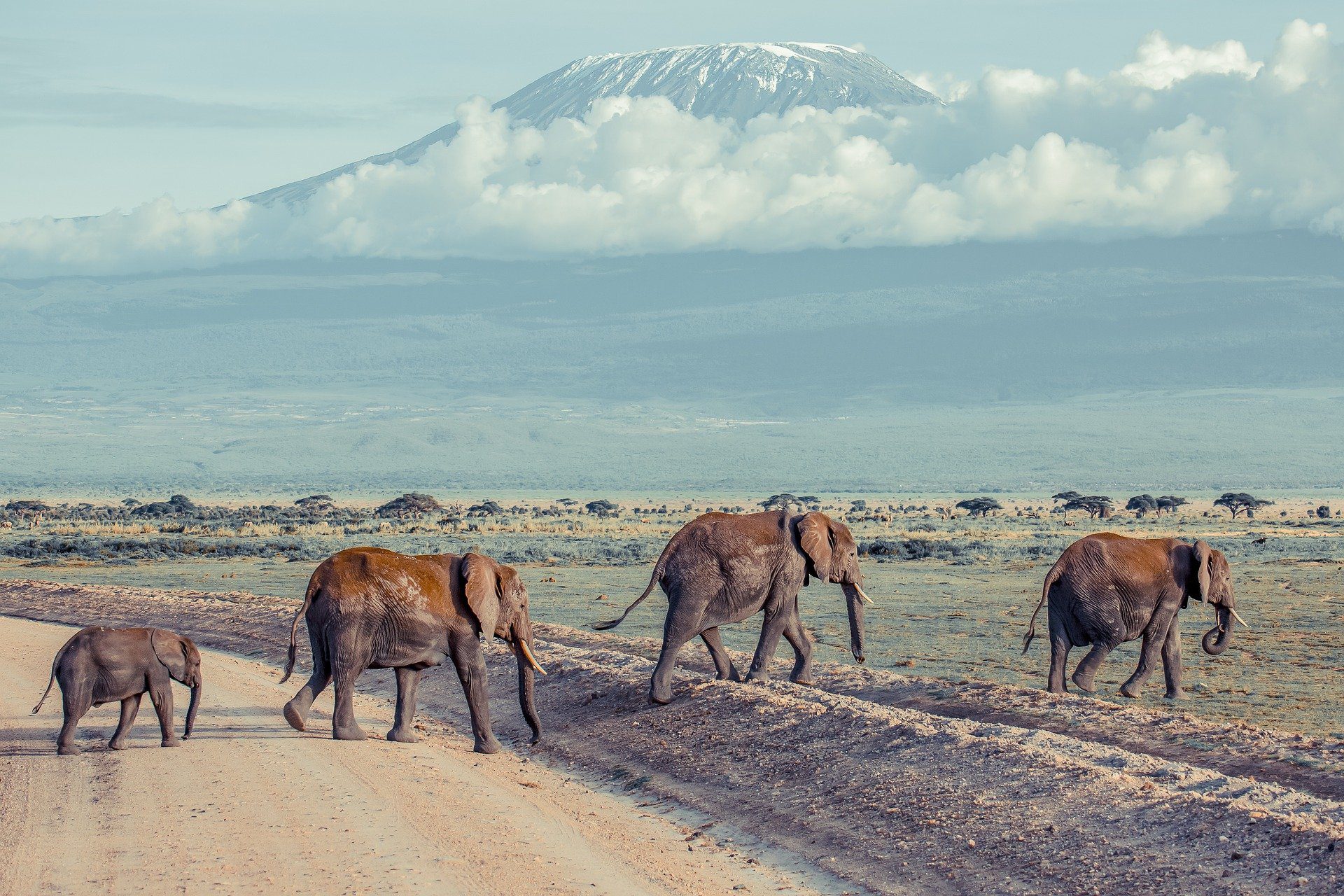
Amboseli is about 4–5 hours from Nairobi. It’s perfect if you want elephants and postcard scenery.
Key highlights:
- Large elephant herds
- Big open plains and swamp systems
- Mount Kilimanjaro backdrops (best on clear mornings)
Simple 3-day structure:
- Day 1: Drive in + afternoon game drive
- Day 2: Full-day Amboseli exploration
- Day 3: Early drive + return to Nairobi
Best for: photographers, elephant lovers, couples, and anyone who wants dramatic landscapes without going deep into multiple parks.
The Ideal 5-Day Kenya Safari Itinerary (The “Sweet Spot”)
For many travelers, 5 days is the best balance. You can experience more variety while keeping travel manageable. In addition, you can mix big cats, lakes, scenery, and culture in one trip.
Below are two strong 5-day options, depending on your style.
5-Day Option 1: Maasai Mara + Lake Nakuru (Big Five Focus)
This route is practical and popular because it pairs the Mara with one of Kenya’s best rhino areas.
Day 1: Nairobi → Maasai Mara
Arrive for lunch and an afternoon game drive.
Day 2: Full Day in Maasai Mara
Add a sunrise drive and a longer afternoon session. Therefore, you increase your chances of seeing leopards and cheetahs.
Day 3: Maasai Mara → Lake Nakuru
Transfer to Lake Nakuru National Park. It’s compact, which makes sightings easier in a short time.
Nakuru is known for:
- White rhinos and black rhinos (key highlight)
- Rothschild giraffes
- Strong birdlife around the lake (flamingos can vary by season and lake conditions)
Day 4: Lake Nakuru Game Drives + Scenic Viewpoints
Explore lakeshore areas and acacia zones. In addition, stop at viewpoints overlooking the Great Rift Valley for photos.
Day 5: Return to Nairobi
After breakfast, drive back to Nairobi.
Best for: travelers prioritizing rhinos, Big Five goals, and efficient driving loops.
5-Day Option 2: Classic Mix (Maasai Mara + Lake Naivasha + Amboseli)
This is the “Kenya highlights” blend because it gives you predators, lakes, and Kilimanjaro views.
Day 1: Nairobi → Maasai Mara
Afternoon game drive.
Day 2: Full Day in Maasai Mara
Optional cultural stop near Maasai communities if it fits your interests.
Day 3: Maasai Mara → Lake Naivasha
Arrive for a relaxed afternoon.
Top activities include:
- Boat rides for hippos and birds
- Crescent Island-style walking experiences (where permitted and organized)
Day 4: Lake Naivasha → Amboseli
Drive to Amboseli. Then enjoy an afternoon game drive with mountain views if the skies cooperate.
Day 5: Amboseli → Nairobi
Early game drive. After breakfast, return to Nairobi.
Best for: first-timers who want variety, couples, honeymooners, and photographers.
5-Day Option 3: Fly-In Mara Conservancy Experience (Less Driving, More Exclusivity)
If you dislike long drives, this is your upgrade. You fly from Nairobi to the Mara region and focus on conservancies or high-quality camp areas.
Why people love fly-in styles:
- Less time on the road
- More time on game drives
- Often fewer vehicles in certain zones
- Some conservancies allow experiences like night drives and guided walks (rules vary)
Best for: travelers who value comfort, exclusivity, and time efficiency.
The Ultimate 7-Day Kenya Safari Itinerary (Deep, Varied, and High Value)
Seven days is the gold standard if you want a fuller story of Kenya. You can slow down, explore more ecosystems, and still avoid feeling rushed. Therefore, this length is perfect for wildlife lovers who want depth, not just highlights.
Below are two strong 7-day routes: one classic southern route and one that includes the north.
7-Day Option 1: The Classic Southern Route (Mara + Naivasha + Amboseli + Tsavo West)
Day 1–2: Maasai Mara (2 Nights)
Start with the strongest wildlife density.
- Day 1: Drive in + afternoon game drive
- Day 2: Full day in the Mara (sunrise and afternoon sessions)
If you visit between July and October, you may also catch migration movement. However, exact river crossings are never guaranteed.
Day 3: Maasai Mara → Lake Naivasha
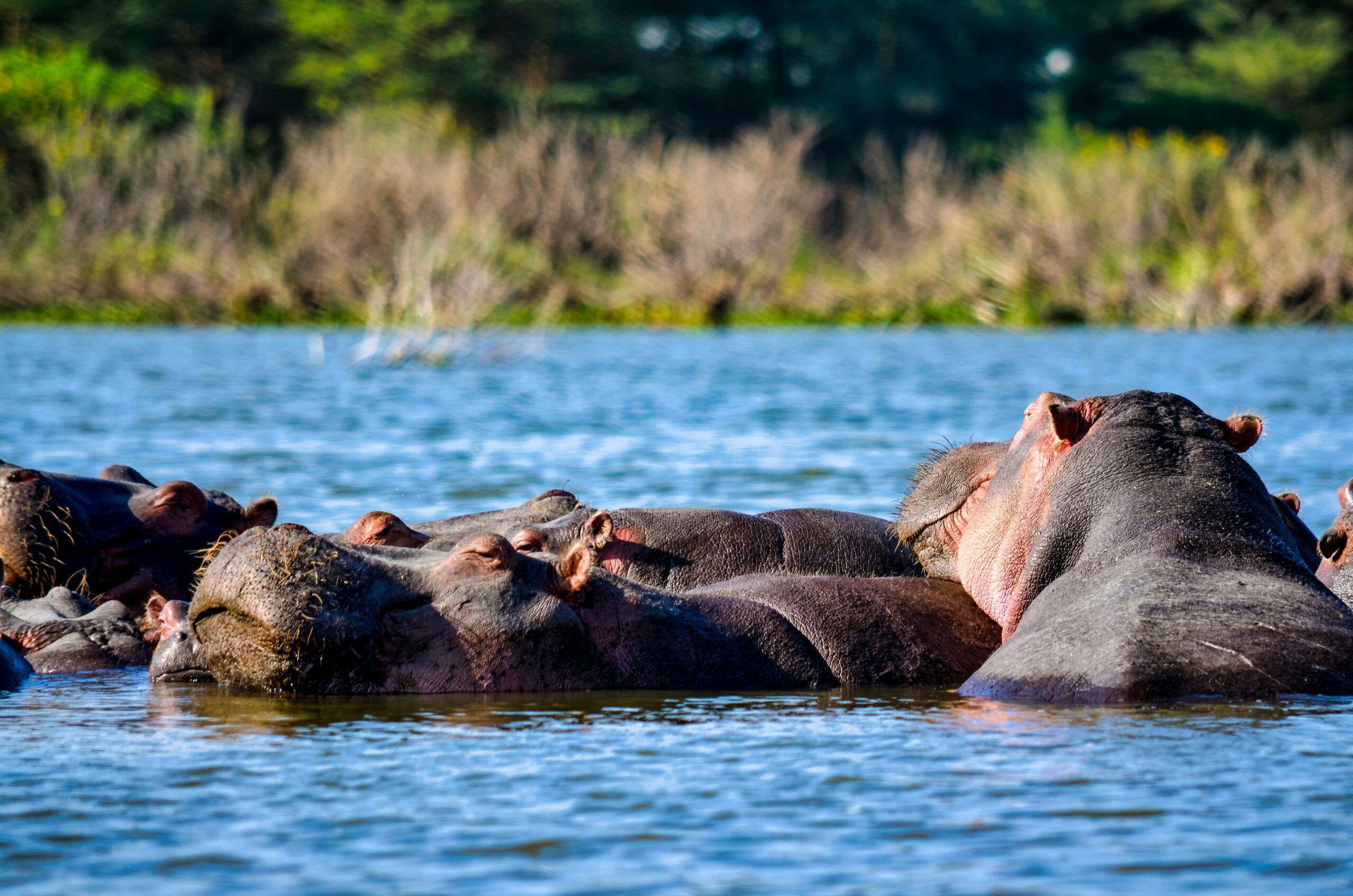
After a final morning in the Mara, head to Naivasha for a calmer pace.
- Boat rides can be excellent for hippos and birdlife.
Day 4–5: Amboseli (2 Nights)
Amboseli offers a different mood: wide views, swamps, and huge elephants.
- Day 4: Transfer + afternoon drive
- Day 5: Full day exploring habitats, from dry lakebed zones to green swamp areas
Day 6: Amboseli → Tsavo West
The scenery shifts again. Tsavo West has volcanic landscapes, rugged hills, and famous springs.
Highlights can include:
- Mzima Springs area (where access and viewing rules apply)
- “Red elephants” coated in dusty soil
- Big landscapes that feel cinematic
Day 7: Tsavo West → Nairobi (or Continue to the Coast)
You can return to Nairobi or extend to the Kenyan coast for beach time. As a result, a safari-and-beach combo becomes very easy to plan.
Best for: travelers who want variety, families with enough time, and anyone combining safari with beaches.
7-Day Option 2: Northern Special + Classic Big Parks (Samburu + Nakuru + Maasai Mara)
If you want unique wildlife and a different feel, this route gives you a stronger “explorer” vibe.
Day 1–2: Samburu National Reserve
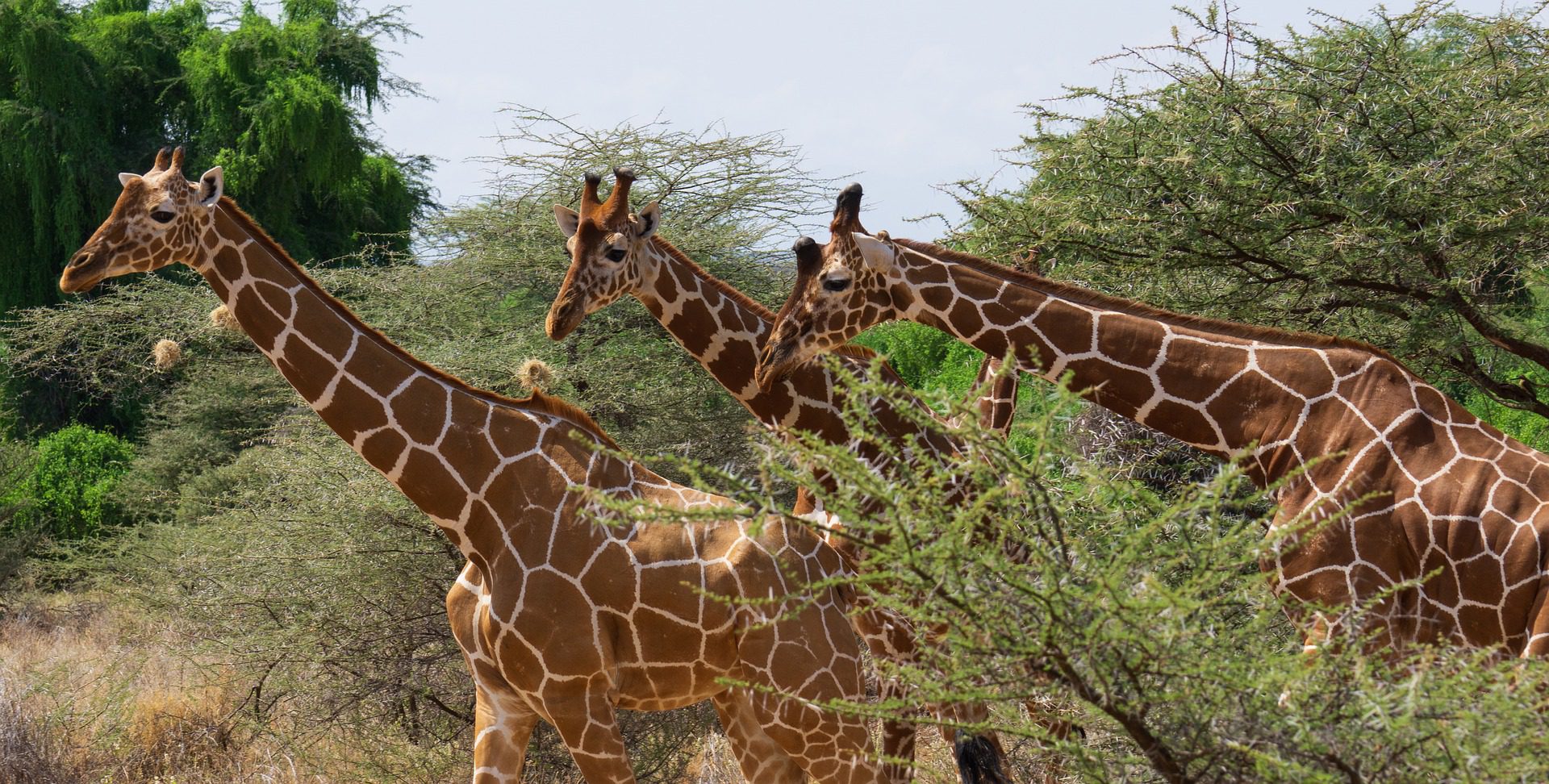
Expect drier landscapes and special species:
- Grevy’s zebra
- Reticulated giraffe
- Somali ostrich
Day 3–4: Lake Nakuru
Shift south to Nakuru for rhinos and Rift Valley scenery.
Day 5–6: Maasai Mara
Finish in the Mara for big cats and classic savannah action.
Day 7: Return to Nairobi
Drive or fly back depending on your budget and time.
Best for: repeat visitors, wildlife nerds, and travelers who want something beyond the standard southern loop.
Best Time to Use This Kenya Safari Itinerary Planner
Kenya works year-round. However, seasons change crowds, costs, and the look of landscapes.
July to October (Peak Dry Season + Migration Window)
- Best for classic wildlife visibility
- Highest demand and prices
- Migration activity often occurs in the Mara region during this window
January to February (Dry, Clear, Great for Photos)
- Excellent visibility
- Good road conditions
- Often slightly less crowded than peak months (varies by year)
April to May (Long Rains)
- Lush scenery and fewer tourists
- Better deals in many places
- Some roads can be harder after heavy rain
November (Short Rains)
- Green landscapes return
- Good birding
- Often calmer than peak season
Outbound link suggestion: World Meteorological Organization for climate reference and seasonal context.
Budget Planning: What Affects Safari Prices in Kenya?
Safari costs aren’t random. In fact, most pricing is driven by a few predictable factors.
1) Season
Peak periods cost more. Therefore, traveling in shoulder or green seasons can save money if you’re flexible.
2) Accommodation Level
This is usually the biggest cost driver:
- Budget camps: simple but functional
- Mid-range: more comfort and better locations
- Luxury: premium service, views, exclusivity, and often private guiding
3) Vehicle Type
- Safari vans are usually cheaper.
- 4×4 Land Cruisers often cost more but improve comfort and game viewing.
4) Private vs Group Safari
- Private safaris cost more but offer flexibility.
- Group joining safaris reduce costs but follow a set itinerary.
5) Park Fees and Conservancy Fees
These fees support conservation and park management. They’re often included in your quote, but you should still confirm what’s covered.
What to Pack for a Kenya Safari (Simple, Practical List)
Packing well improves comfort immediately. In addition, it helps you enjoy early mornings and long game drives.
Clothing
- Neutral colors (khaki, beige, olive)
- Light layers for changing temperatures
- Warm fleece or jacket for sunrise drives
- Rain jacket if traveling in wet months
Avoid very bright colors. Also avoid dark blue if you’re concerned about insects.
Essentials
- Binoculars
- Camera with zoom (plus spare batteries and memory cards)
- Sunscreen, hat, and sunglasses
- Reusable water bottle
- Power bank for charging
Health and comfort
- Insect repellent
- Personal medications
- Small first-aid kit (basic supplies)
Should You Book Through a Tour Operator?
Most travelers benefit from booking with a licensed tour operator, especially on first trips. A good operator handles the details that cause stress:
- Park fees and permits
- Accommodation coordination
- Transport logistics
- Professional guiding and wildlife tracking
- Route planning to avoid wasted hours
If you’re unsure about legitimacy, check operator licensing through Kenya’s official tourism regulators.
Outbound link suggestion: Kenya tourism regulatory bodies.
Practical Tips That Make Any 3, 5, or 7 Day Safari Better
These tips apply no matter which Kenya safari itinerary planner route you choose.
Start game drives early
Wildlife activity often peaks in the morning. Therefore, sunrise drives can feel dramatically better than mid-day drives.
Don’t over-pack parks
More parks can sound exciting. However, too many transfers can reduce game drive time and leave you exhausted.
Choose 2 nights per key park when possible
One-night stops often feel rushed. As a result, your sightings can suffer because you spend too much time moving.
Build in one “lighter” day
Lake Naivasha often works well for this. It gives your body a break and makes the trip feel balanced.
Be realistic about migration
The migration is real, but exact river crossings are unpredictable. Therefore, plan for excellent wildlife viewing regardless, and treat crossings as a bonus.
Internal Resources
For deeper planning, explore:
FAQs: Quick Answers Travelers Usually Need
Is 3 days enough for a Kenya safari?
Yes, if you focus on one major park like the Maasai Mara or Amboseli. However, 5 days feels more relaxed and varied.
Which itinerary is best for the Big Five?
A route that includes the Maasai Mara plus a rhino-strong park like Lake Nakuru improves your odds.
Should I drive or fly to the Maasai Mara?
Driving saves money, while flying saves time. Therefore, your choice depends on budget and comfort priorities.
What’s the best itinerary for photographers?
Mara + Amboseli is a strong combo because you get big cats, elephants, and iconic landscapes. In addition, sunrise drives improve lighting.
How many game drives do you typically do per day?
Most itineraries include 1–2 game drives daily. However, a full-day safari often means two long drives (sunrise + late afternoon) with a picnic lunch in the park.
What time do game drives usually start?
Morning drives often start around 6:00–6:30 a.m. because animals are more active in cooler temperatures. Therefore, early starts usually produce better sightings.
Is a 4×4 Land Cruiser necessary, or is a safari van okay?
A safari van can work well on main roads, especially in dry months. However, a 4×4 Land Cruiser is often more comfortable and capable on rough tracks, particularly after rain.
Which itinerary is best for first-time visitors?
A 5-day itinerary is often ideal. It gives you the Maasai Mara plus another landscape (like Lake Naivasha, Lake Nakuru, or Amboseli). As a result, you get a fuller Kenya experience without rushing.
Which itinerary is best if I want fewer crowds?
Choose a fly-in conservancy-based Mara plan or consider the Northern Circuit (Samburu/Laikipia). In addition, traveling outside peak season can reduce vehicle density.
Can I do a safari without flying into Nairobi?
Yes. Some travelers start from Mombasa or Diani and combine the coast with Tsavo East/West. Therefore, a “safari + beach” trip can work well without Nairobi being the main base.
Should I include Lake Nakuru or Lake Naivasha?
It depends on your priorities:
- Choose Lake Nakuru for rhinos and a compact park that’s easy to game-drive.
- Choose Lake Naivasha for a break in pace, boat rides, and possible walking activities where permitted.
Are flamingos guaranteed at Lake Nakuru?
No. Flamingo numbers can fluctuate due to water levels and food conditions. However, Lake Nakuru still delivers strong birding and excellent rhino potential.
What are the chances of seeing the Big Five?
In the right parks, your odds are strong, but nothing is guaranteed. Therefore, plan for great overall wildlife and treat “perfect Big Five” sightings as a bonus.
Is the Great Migration guaranteed if I travel July–October?
The migration season is real, but river crossings are unpredictable. However, wildlife viewing in the Maasai Mara is excellent even without a crossing.
How many nights should I spend in the Maasai Mara?
If possible, choose 2 nights minimum. As a result, you get more game drives and better odds for leopards, cheetahs, and special behavior like hunts.
Can I customize these 3, 5, and 7 day itineraries?
Yes—most operators can tailor routes. However, avoid adding too many parks because extra transfers reduce game-viewing time.
Is it safe to go on a Kenya safari?
In general, safaris are designed to be safe when you follow guide instructions. Therefore, choose reputable operators, wear seatbelts when available, and follow park rules.
Do I need any vaccines or malaria medication?
Health advice depends on your passport, medical history, and the exact regions you visit. Therefore, consult a qualified travel clinic before departure and follow official guidance.
What’s the best month for budget safari deals?
The best deals often appear in low or shoulder seasons. However, some camps close during heavy rains, so check availability and road conditions. Read our month by month guide.
Can kids join these itineraries?
Yes, many lodges welcome families. However, some camps have minimum age rules or restrict walking activities. Therefore, confirm child policies before booking.
Do I need travel insurance for a safari?
It’s strongly recommended. In addition, ensure your policy covers medical evacuation and activities included in your itinerary.
How much cash should I carry, and what about tipping?
Many places accept cards, but cash helps for tips and small purchases. Therefore, carry some local currency or USD in small denominations, and ask your operator for tipping guidelines.
What should I wear on game drives?
Wear neutral colors and dress in layers. Mornings can be cold, while afternoons get hot. Also, avoid heavy perfumes because they can attract insects.
Can I charge my phone and camera in camps?
Most lodges have charging options, but some camps have limited hours or shared charging points. Therefore, bring a power bank as backup.
Will I have mobile network or Wi-Fi in the parks?
Coverage varies widely. Some lodges offer Wi-Fi, while remote areas can be patchy. As a result, plan to be offline at times.
How early should I book a Kenya safari?
For peak season, booking several months ahead is wise, especially for the best camps. However, last-minute trips can still work in quieter months.
Is a balloon safari worth it?
If it fits your budget, many travelers love it because it offers a completely different view of the Mara. However, it’s weather-dependent and not essential for great sightings.
Can I do a self-drive safari in Kenya?
It’s possible, but it requires strong planning, route knowledge, and comfort with road conditions. Therefore, guided safaris are usually easier for first-time visitors.
Should I choose a group joining safari or private safari?
- Group joining saves money and is social.
- Private gives flexibility, better photography positioning, and more control over pacing.
Therefore, choose based on budget and travel style.
What’s the best itinerary if I want to continue to the beach afterward?
A 7-day route that ends in Tsavo makes a beach extension easy. As a result, you can continue to the coast after safari without backtracking too much.
Final Thoughts: Choosing the Right Kenya Safari Itinerary Planner Route
Choosing the right safari length depends on your time, budget, and expectations. A 3-day safari is perfect for a focused wildlife hit in one top location. Meanwhile, a 5-day safari offers variety without feeling rushed. However, a 7-day safari delivers the richest experience by connecting multiple ecosystems and adding depth.
Ultimately, this Kenya safari itinerary planner works because it helps you match your timeframe to the best parks, travel flow, and wildlife priorities. Start with a clear goal, pick the route that fits your pace, and you’ll set yourself up for an unforgettable Kenya safari.