
Dreaming of endless savannahs, roaming elephants, and the thrill of spotting lions in the wild? A safari in Kenya is one of the most unforgettable travel experiences in the world. However, before you start packing your camera and binoculars, you will face an important decision: should you choose a group safari or a private safari?
The choice between Kenya safari group vs private will shape your entire trip. It affects your daily schedule, your budget, the level of comfort you enjoy, and even the quality of your wildlife sightings.
Kenya is widely considered the birthplace of the modern safari. The country offers some of Africa’s most spectacular wildlife destinations, including the famous Maasai Mara, the elephant-rich plains of Amboseli National Park, and the vast wilderness of Tsavo National Park.
If you are choosing between a shared adventure and a fully tailored one, this article will help you compare both options in depth. It covers costs, flexibility, wildlife viewing, social atmosphere, accommodation, planning, safety, packing, and responsible travel. In addition, it includes sample itineraries, the best parks for both safari styles, and practical booking advice that can help your trip run smoothly from the start.
Understanding the Two Main Safari Styles
Before comparing them, understand what each safari style actually means.
Group Safari
A group safari is a shared tour where travelers join others in a safari vehicle and follow a pre-arranged itinerary.
Typical characteristics include:
- Fixed departure dates
- Shared safari vehicle
- One professional guide for the entire group
- Pre-planned route and accommodations
Group safaris are designed to be affordable, social, and easy to book.
Private Safari
A private safari is a customized trip designed specifically for you and your travel companions.
Private safaris typically include:
- Exclusive safari vehicle
- Dedicated professional guide
- Flexible schedule
- Personalized itinerary
Because of this flexibility, private safaris often feel more immersive and comfortable.
Both can take you to the same parks and both can deliver excellent wildlife sightings. The main difference lies in how you travel, not whether you will see animals.
For many travelers, the question is not which safari type is universally better. Instead, the better question is which one fits your needs. A solo traveler with a strict budget may love the value and social side of a group safari. On the other hand, a couple, a family, or a photographer may value the freedom and privacy of a private safari more highly. Therefore, choosing well begins with understanding your own priorities.
What Is a Group Safari in Kenya?
A group safari in Kenya is a shared experience where several travelers explore national parks together in one vehicle.
Most safari vehicles accommodate 6 to 8 passengers, and everyone shares the services of the guide and driver.
Because costs are divided between travelers, group safaris are usually the most affordable way to experience Kenya’s wildlife.
What a Typical Group Safari Includes
Most group safaris provide:
- Shared safari vehicle
- Professional driver-guide
- Accommodation in camps or lodges
- Park entry logistics
- Game drives
- Meals during the safari
For example, a typical 3-day Maasai Mara group safari includes transport from Nairobi, two nights of accommodation, and multiple game drives.
Advantages of Group Safaris
Group safaris offer several major benefits.
Lower Cost
Cost is the biggest reason many travelers choose group safaris.
Typical group safari prices range from:
- $150 – $350 per person per day
Because you share the vehicle, fuel, and guide costs, the overall price drops significantly.
Group safaris are therefore ideal for:
- Solo travelers
- Backpackers
- Budget-conscious visitors
Social Travel Experience
Group safaris create a strong social atmosphere.
During the trip you may:
- Meet travelers from around the world
- Share wildlife sightings
- Exchange stories around the campfire
For many people, these shared experiences become a memorable part of the journey.
Simplified Planning
Another advantage is convenience. The tour operator handles most logistics, including:
- accommodation bookings
- park entry arrangements
- transport coordination
- daily safari schedules
As a result, travelers can enjoy a stress-free safari experience.
Disadvantages of Group Safaris
Despite their advantages, group safaris also have limitations.
Limited Flexibility
Group safaris follow a fixed itinerary.
This means:
- You must follow the group’s schedule
- Game drives start and end at specific times
- You cannot stay longer at a sighting if others want to leave
For travelers who prefer spontaneity, this can feel restrictive.
Shared Viewing Space
Wildlife sightings can become crowded when several guests share the same vehicle.
This sometimes means:
- Limited camera angles
- Competition for the best viewing spots
- Less personal space during long drives
Compromise Between Interests
Every traveler has different interests. Some guests may want to focus on birds, while others may be searching for predators.
Because of this, the guide must balance the group’s preferences.
What Is a Private Safari in Kenya?
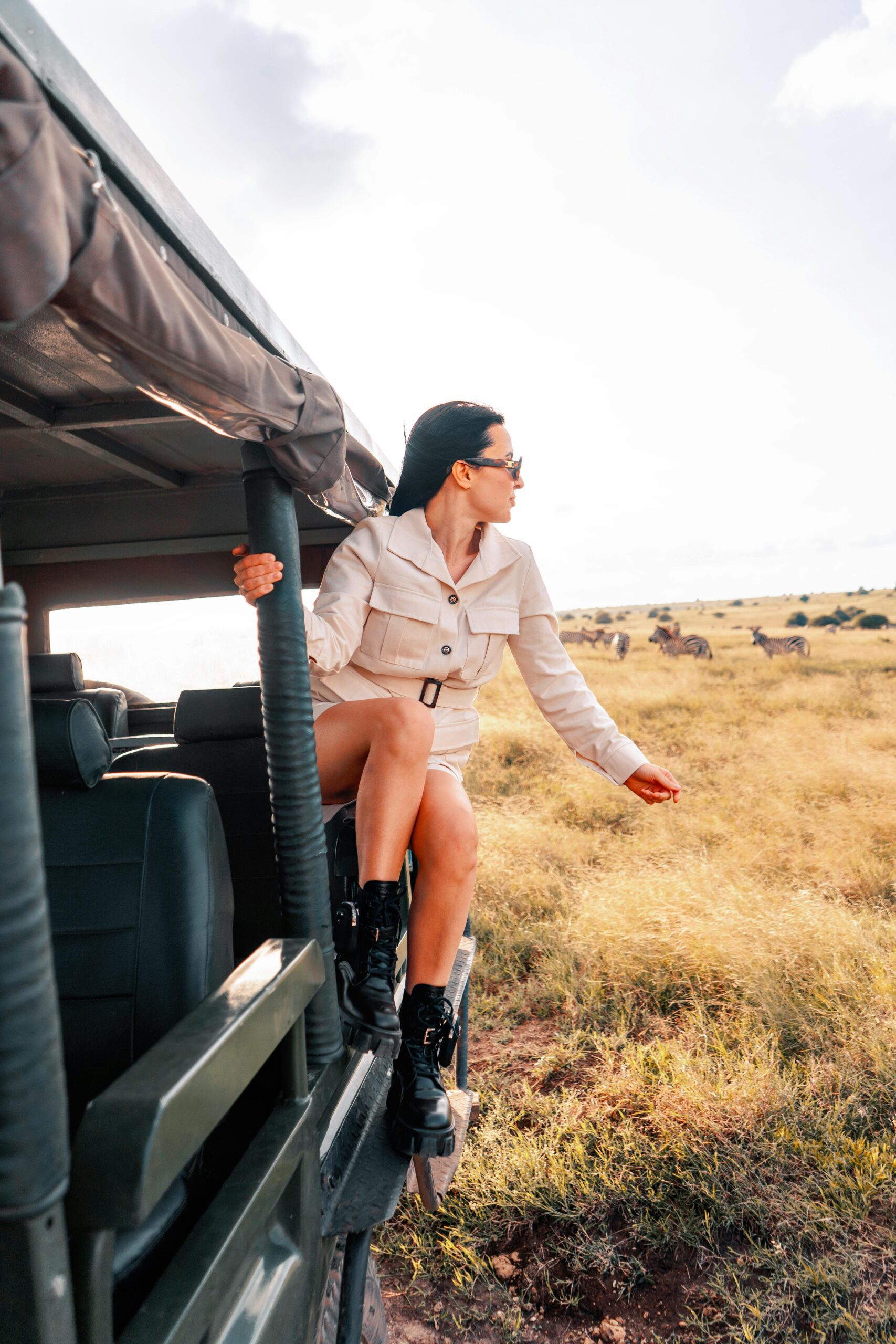
A private safari offers a completely personalized wildlife experience.
You travel only with your own group, using a dedicated safari vehicle and guide.
Key Characteristics of Private Safaris
Private safaris typically include:
- Exclusive use of a safari vehicle
- Dedicated professional guide
- Flexible itinerary
- Customized accommodation options
This level of flexibility allows travelers to shape their safari according to their personal interests.
Advantages of Private Safaris
Private safaris provide several significant benefits.
Full Flexibility
Private safaris allow you to control your schedule.
You can decide:
- when game drives begin
- how long to stay at sightings
- which parks to visit
- when to take breaks
This flexibility creates a more relaxed and immersive safari experience.
Tailor-Made Itinerary
A private safari can be designed around your interests.
For example, your itinerary can focus on:
- wildlife photography
- birdwatching
- family-friendly activities
- luxury travel experiences
Greater Comfort
Private safaris provide more space and privacy.
Benefits include:
- guaranteed window seats
- better viewing angles
- more comfortable game drives
Better Photography Opportunities
Wildlife photographers often prefer private safaris.
Because the vehicle is not shared, guides can position it to achieve:
- optimal lighting
- unobstructed views
- better camera angles
Disadvantages of Private Safaris
Private safaris also have a few limitations.
Higher Cost
Because you are paying for exclusive services, private safaris generally cost more.
Typical prices range from:
- $350 – $900+ per person per day
However, the price becomes more reasonable when shared by couples or families.
More Planning Required
Planning a private safari requires more decisions.
You need to consider:
- which parks you want to visit
- how long your safari will last
- what accommodation level you prefer
However, the extra planning usually results in a safari that perfectly matches your travel goals.
Kenya Safari Group vs Private: Key Differences
| Feature | Group Safari | Private Safari |
| Cost | Lower | Higher |
| Vehicle | Shared | Exclusive |
| Schedule | Fixed | Flexible |
| Privacy | Limited | High |
| Photography | Moderate | Excellent |
Therefore, the best choice depends on your priorities and travel style.
Best National Parks for Both Safari Types
Kenya offers a wide range of spectacular safari destinations.
Maasai Mara National Reserve
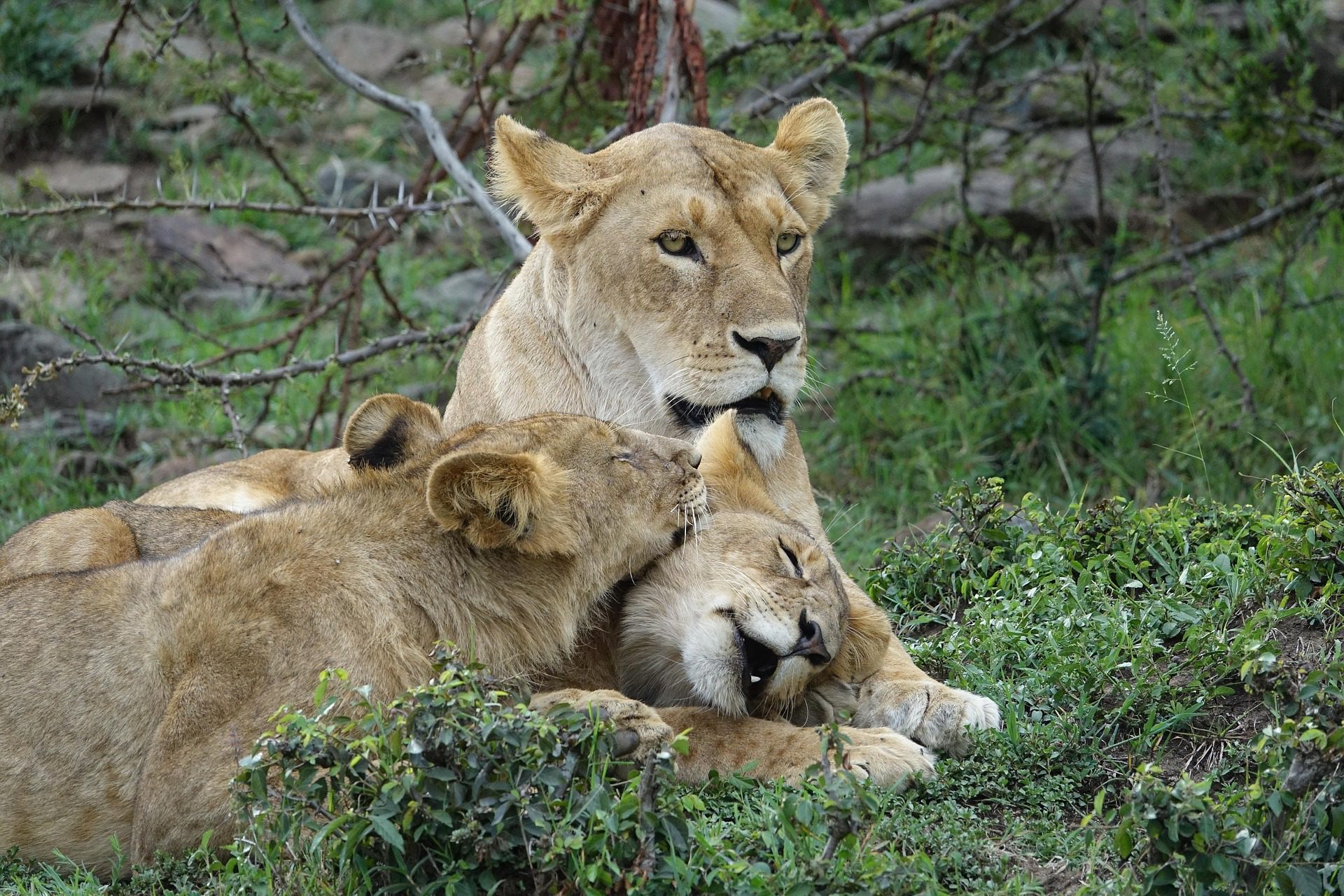
The Maasai Mara is Kenya’s most famous safari destination.
Highlights include:
- the Great Migration
- high predator density
- classic African savannah scenery
Both group and private safaris work extremely well here.
Amboseli National Park
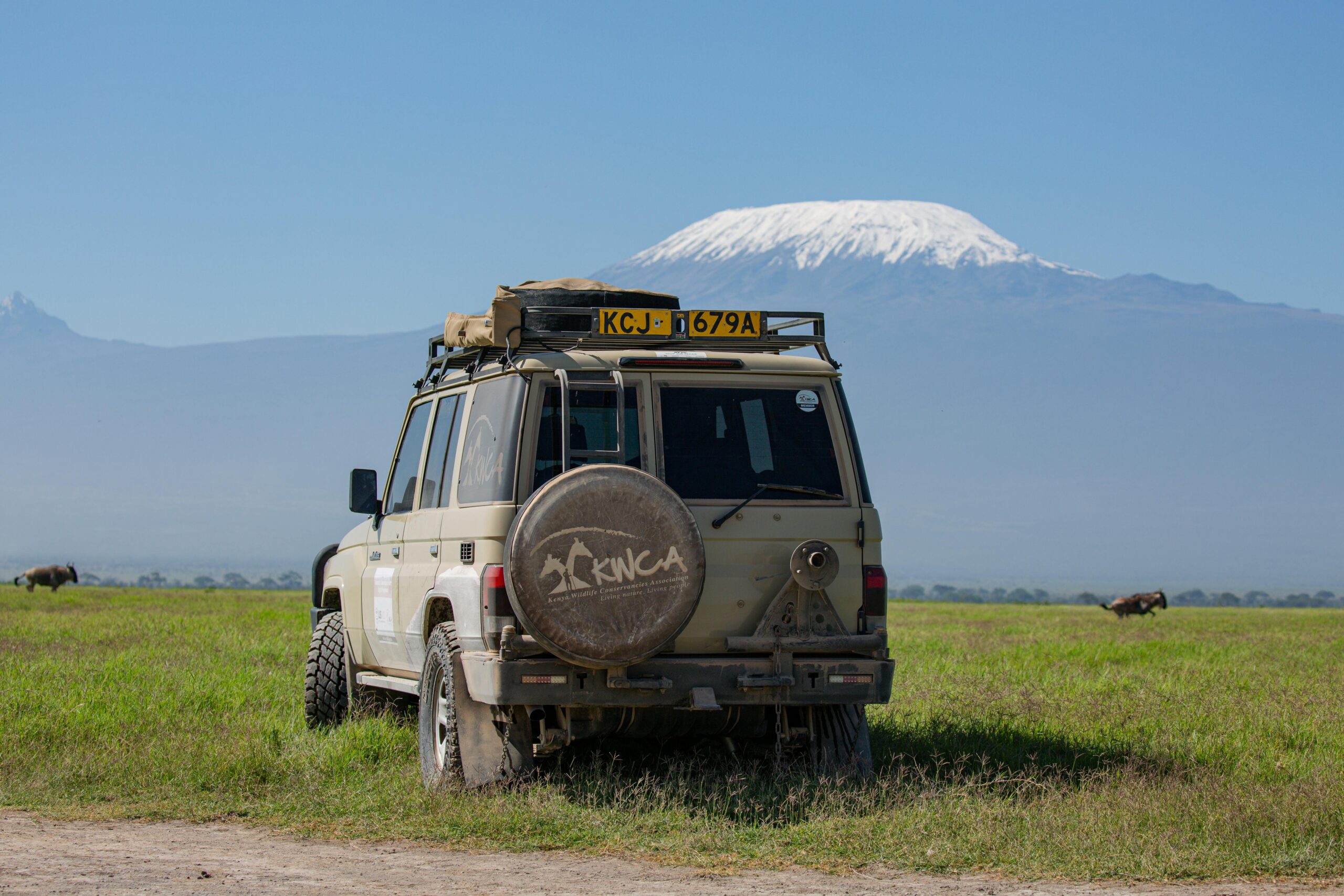
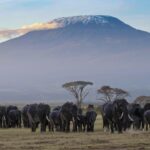
Amboseli National Park is famous for its large elephant herds.
The park also offers:
- spectacular views of Mount Kilimanjaro
- excellent birdlife
- beautiful wetlands
Tsavo National Park
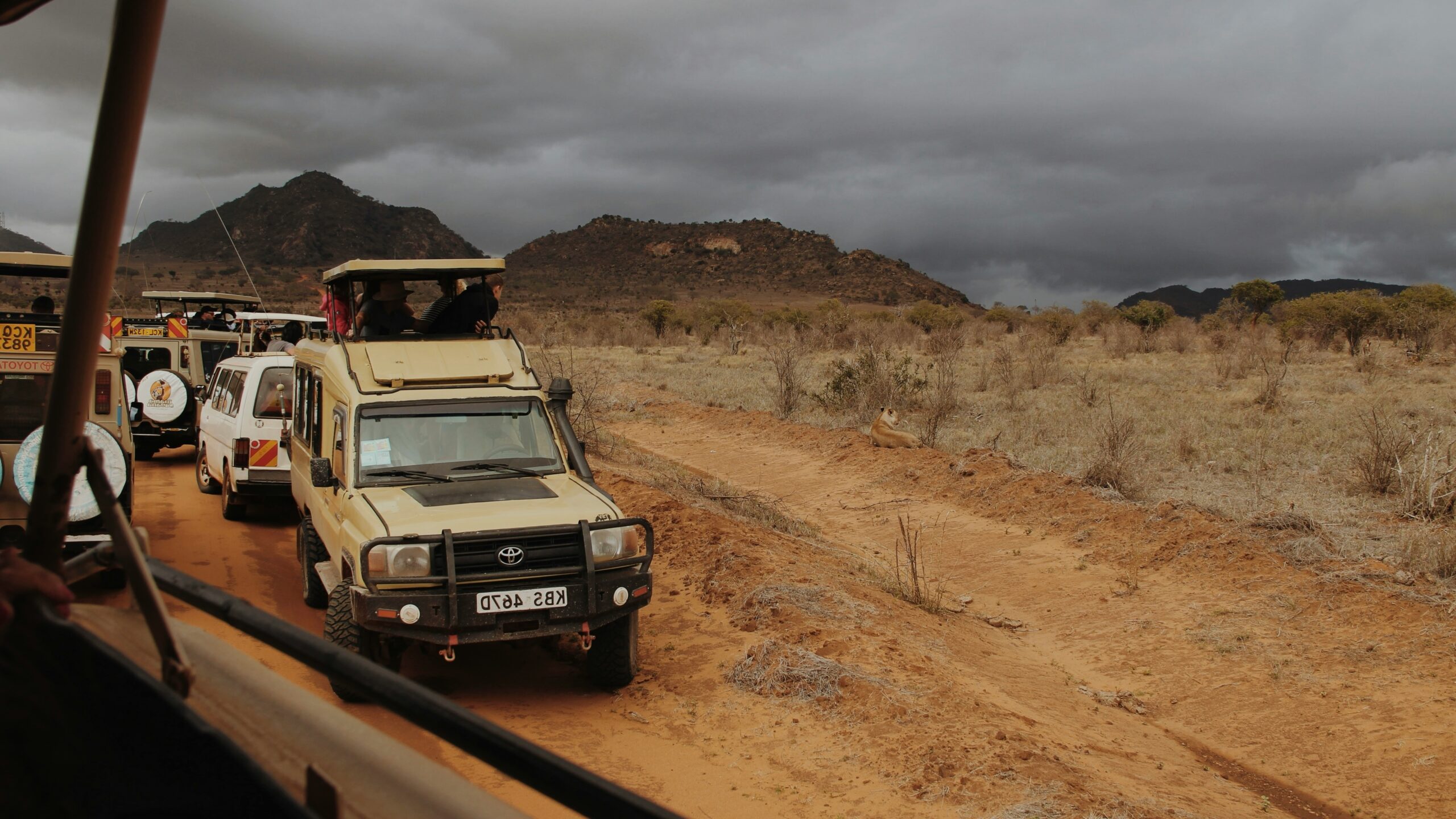
Tsavo National Park is one of Kenya’s largest protected areas.
The park is known for:
- vast wilderness landscapes
- red-dust elephants
- fewer tourist crowds
In addition, group tours use Tsavo, especially on routes linked to the coast.
Lake Nakuru National Park
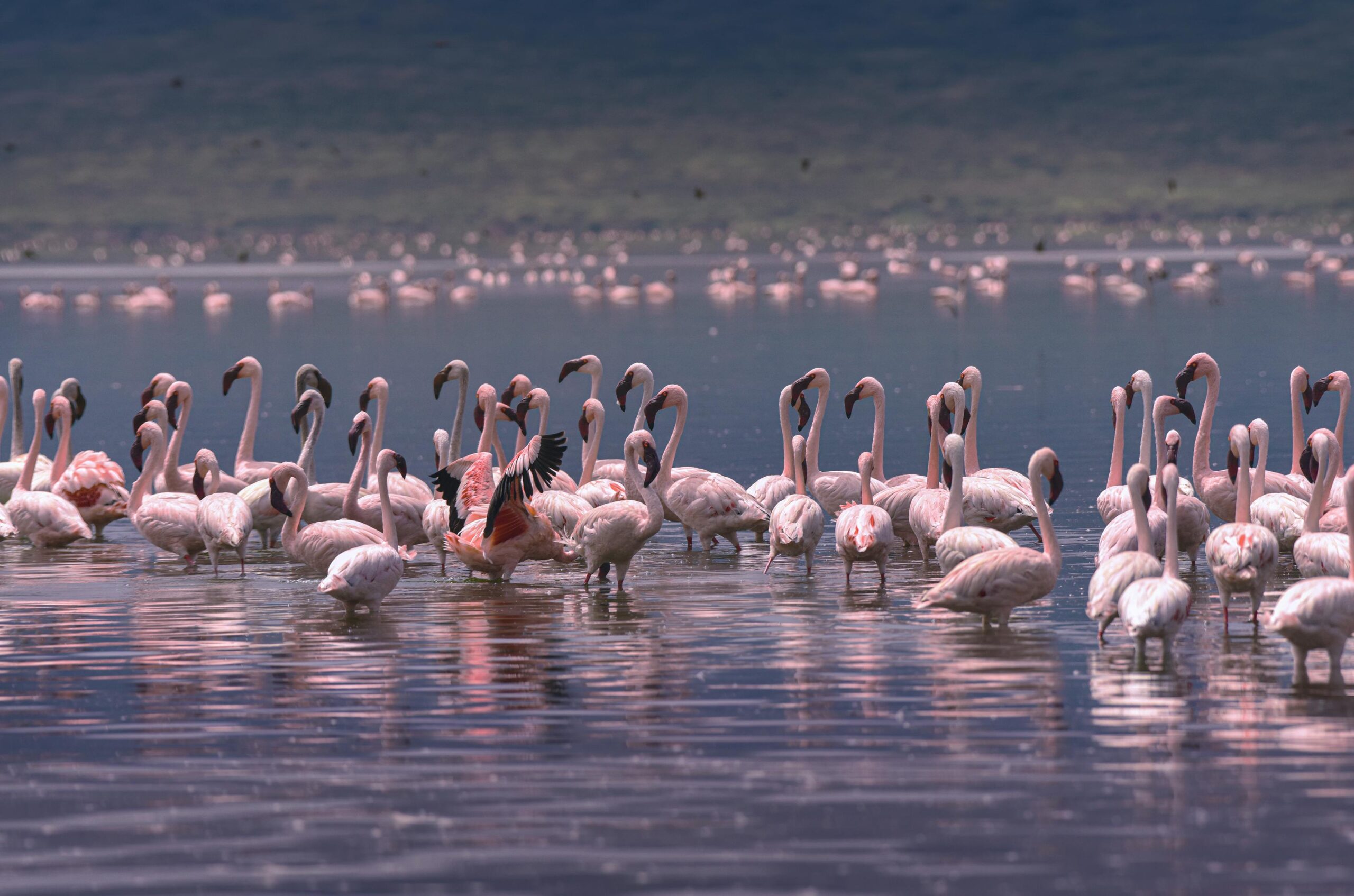
Lake Nakuru is famous for:
- flamingos
- rhino conservation
- pelicans and other water birds
It is one of the best parks in Kenya for rhino sightings.
Samburu National Reserve
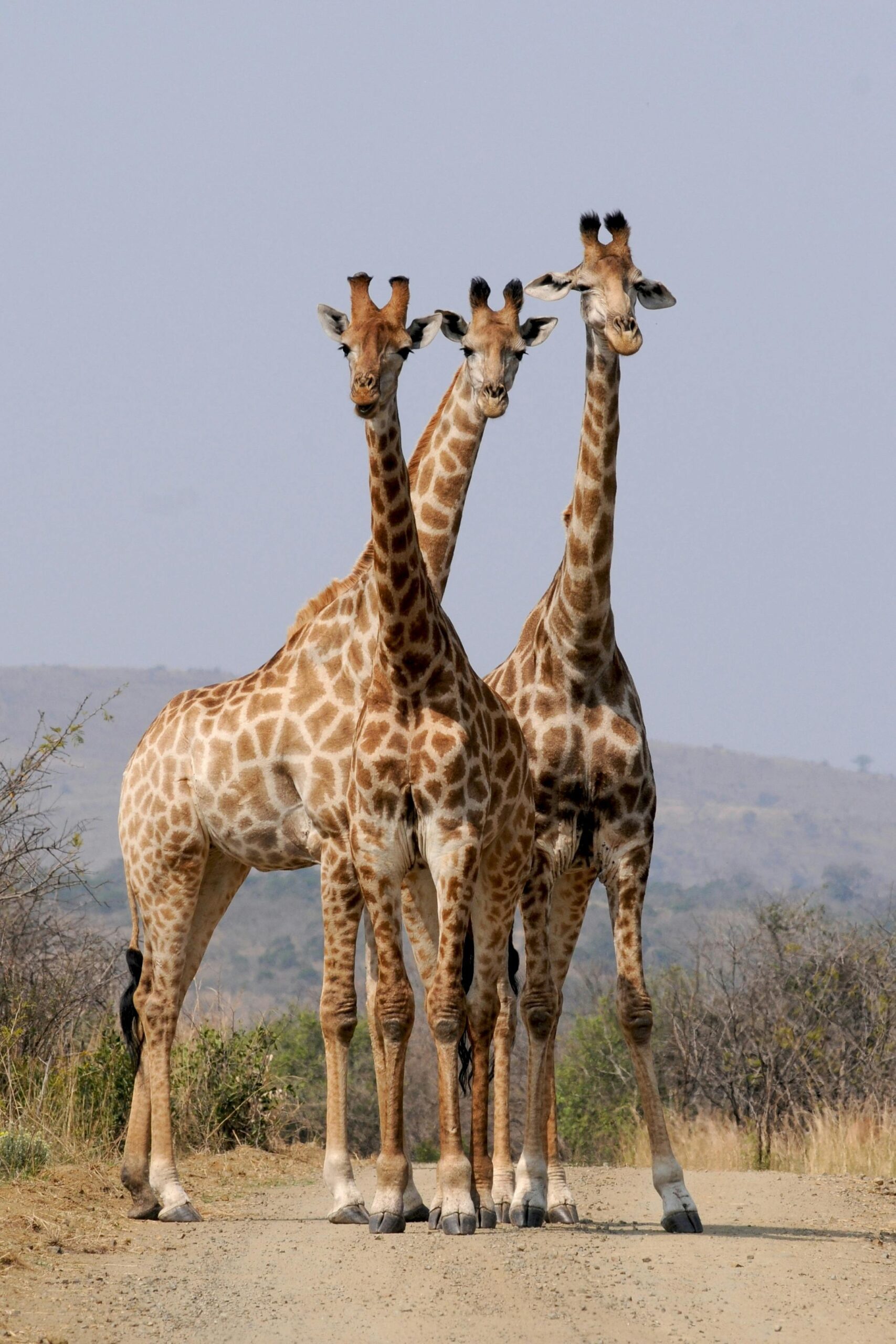
Samburu offers a unique northern safari experience.
The reserve is known for rare species including:
- Grevy’s zebra
- reticulated giraffe
- Beisa oryx
- gerenuk
- Somali ostrich
Sample Group and Private Safari Itineraries
3-Day Group Safari Example: Nairobi to Maasai Mara
Day one usually begins with departure from Nairobi and the drive toward the Maasai Mara. After arrival and lunch, the afternoon may include a first game drive. Day two is often a full game-drive day in the reserve. Day three usually includes an early drive and return to Nairobi. This is one of the simplest and most popular safari structures because it is affordable and easy to sell as a fixed package.
5-Day Private Safari Example: Nairobi, Amboseli, Lake Nakuru, Maasai Mara
A private five-day route can begin with Amboseli for elephants and Kilimanjaro views, continue to Lake Nakuru for rhinos and birds, and finish in the Maasai Mara for classic plains wildlife. This route works well because each park offers a different safari feel. It is a strong option for couples and families who want variety in a short time.
7-Day Extended Private Safari Example: Samburu, Lake Nakuru, Maasai Mara
For a deeper itinerary, a week-long private safari can combine Samburu’s rare species, Lake Nakuru’s rhino and birdlife, and the Maasai Mara’s famous grasslands and predators. This route creates better contrast between ecosystems and gives more time for meaningful game drives. It is also a strong choice for wildlife enthusiasts who want more than one classic landscape.
What Wildlife You Can Expect to See

Kenya supports an extraordinary range of wildlife. Depending on the parks you choose, you may see lions, leopards, elephants, buffalos, rhinos, cheetahs, giraffes, zebras, crocodiles, hippos, antelopes, jackals, hyenas, and a remarkable variety of birds. The Maasai Mara is one of the best places for predator sightings and migration drama, while Amboseli is known for elephant herds. Lake Nakuru is especially strong for rhinos and birds, and Samburu adds species adapted to Kenya’s drier north.
It is important to remember that safari is still a wildlife experience, not a zoo visit. Sightings are never guaranteed in a strict sense. However, choosing the right parks and the right safari style can improve your chances of getting the type of experience you want.
What Is Usually Included in a Safari Package?
Most safari packages include transport during the safari, guide services, accommodation, game drives, and some or all meals. Park fees may be included or charged separately, depending on the operator. Therefore, you should always ask for a clear inclusions and exclusions list before paying a deposit.
Common exclusions include international flights, travel authorization fees, travel insurance, tips, drinks, and personal purchases. The official Kenya eTA site also makes clear that travelers must prepare passport and trip documentation in advance. Checking these details early helps avoid costly surprises.
How to Choose a Reliable Safari Operator
Choosing a reliable safari operator is just as important as selecting the right itinerary. A trustworthy company ensures your trip runs smoothly, safely, and responsibly. The Kenya Association of Tour Operators (KATO) plays a key role in maintaining professional standards in Kenya’s tourism industry. The organization requires its members to follow a strict code of conduct designed to promote ethical practices, quality service, and responsible tourism.
KATO also advises travelers to book their safaris through its registered members. These companies are licensed operators who meet established industry requirements and operate according to recognized standards. When comparing safari companies, checking whether an operator is a KATO member can provide valuable reassurance that you are working with a reputable and professionally vetted tour provider.
When comparing operators, ask about their vehicle type, guide experience, cancellation terms, accommodation partners, and what is included in the quoted price. In addition, read independent reviews and check whether the company communicates clearly and consistently. A reliable operator should answer practical questions without being vague about costs or logistics.
Packing List for a Kenya Safari
A good safari packing list improves comfort far more than many travelers expect. Bring neutral-colored clothing, a light jacket for early mornings, sun protection, comfortable walking shoes, binoculars, a camera, spare batteries, and a reusable water bottle. In addition, pack insect repellent, any personal medication, and soft luggage if your itinerary includes internal flights or smaller safari vehicles.
If you plan to photograph wildlife, bring a lens suited to distance. If you are birding, binocular quality matters. Families should add snacks, wipes, and a few comfort items for children. The right packing choices will not change your safari route, but they can make the experience much smoother.
Safari Safety Tips
Safari in Kenya is generally safe when you travel with a reputable operator and follow guide instructions. The key rule is simple: the guide’s directions matter. Do not stand up without permission, lean too far out of the vehicle, or approach wildlife on foot where it is not allowed. In lodges and camps, follow staff guidance at night, especially in unfenced properties where wildlife may pass nearby.
It also helps to stay calm during sightings, keep your belongings secure, and maintain realistic expectations. Safari safety is usually about discipline and awareness rather than fear. Therefore, good habits matter more than dramatic concerns.
How Far in Advance Should You Book?
Booking time depends on season and lodge level. Migration months and top lodges usually require earlier booking because demand rises sharply. Since the Maasai Mara’s migration season is one of Kenya’s headline attractions, the best properties can fill far in advance.
As a general rule, booking many months ahead is wise for July through October, for luxury camps, and for travel over major holiday periods. Mid-range and shoulder-season travel may allow more flexibility. However, waiting too long can reduce your best accommodation options even if flights are still available.
Seasonal Considerations
Kenya offers year-round safari travel, but conditions change by season. The Maasai Mara’s migration period is a major draw for many visitors. Amboseli remains highly attractive for elephant sightings and scenery, while Lake Nakuru and Samburu can also reward travelers outside peak migration months. Therefore, the best time depends on whether you prioritize migration, birdlife, lower prices, fewer crowds, or greener landscapes.
If you want the highest concentration of first-time safari drama, migration season often wins(July to October). If you want value and fewer crowds, shoulder seasons may be more appealing. This is another area where a good operator can help you match timing to expectations.
Responsible and Sustainable Safari Travel
Responsible safari travel is essential because Kenya’s wildlife and landscapes form part of a delicate and interconnected conservation system. Protecting these ecosystems requires careful management and cooperation between park authorities, tour operators, and local communities. The Kenya Wildlife Service (KWS) works to conserve and manage the country’s wildlife and protected areas through science-based conservation, habitat protection, and community involvement.
For this reason, a safari should be approached as more than just a sightseeing activity. When done responsibly, tourism plays an important role in supporting conservation efforts, generating income for local communities, and promoting sustainable environmental practices.
Travelers can contribute to responsible tourism by making thoughtful choices during their safari. For example:
-
Choose safari operators and camps that follow park regulations and conservation guidelines
-
Avoid crowding wildlife or disturbing animals during sightings
-
Support lodges that reduce waste and operate sustainably
-
Respect local cultures and communities
It is also important to avoid pressuring guides to drive too close to animals for photographs. Maintaining a safe and respectful distance protects wildlife and helps preserve their natural behavior. In the end, responsible safari travel not only benefits conservation—it also creates a quieter, more authentic wildlife experience for everyone involved.
Kenya Safari Travel Requirements
Before traveling to Kenya, it is important to review all entry and travel requirements to avoid last-minute complications. Make sure your passport is valid for at least six months beyond your travel dates, and check current immigration rules, health recommendations, and travel insurance coverage before departure.
According to Kenya’s official electronic travel authorization system, most international visitors must complete an online Electronic Travel Authorization (eTA) before entering the country. Citizens of East African Community member states are generally exempt from this requirement. The application process typically requires several documents, including:
-
A passport valid for at least six months
-
Basic personal and contact details
-
Your travel itinerary
-
Accommodation confirmation
-
A valid payment method for processing the application
Travel requirements can change, so it is always wise to confirm the latest regulations shortly before your trip. In particular, check for updates related to immigration procedures, vaccination recommendations, and any documentation required by your airline. Taking a few minutes to verify these details in advance can help ensure a smooth and stress-free arrival in Kenya.
When a Hybrid Safari Is the Best Choice
Some travelers do not need to choose just one style. A hybrid safari combines the value of a group safari with the flexibility of a private extension. For example, you might book a short group trip to the Maasai Mara and then continue on a private safari to Amboseli or Samburu. This can be a smart solution if you want to control costs without giving up all privacy and flexibility.
A hybrid approach also works well for travelers whose priorities shift during the trip. You may enjoy the social side at the start and then want a quieter, more focused experience later. Therefore, this option deserves more attention than it usually gets.
Read More Guides
- Kenya Safari Itineraries for 3, 5, and 7 Days
- Best Time to Visit Kenya for Safari
- Luxury Kenya Safari Guide
Helpful Resources
- Kenya Wildlife Service for official park fees, conservation information, and park pages.
- Kenya Association of Tour Operators for operator standards and trust signals.
- Kenya eTA for travel authorization requirements.
Final Verdict: Kenya Safari Group or Private?
The answer depends on your budget, travel style, and what kind of safari memory you want to take home. If affordability, convenience, and social interaction matter most, a group safari is an excellent choice. It opens the door to Kenya’s wildlife without the higher cost of exclusive travel.
If flexibility, privacy, comfort, and control matter more, a private safari is usually the stronger option. It gives you the freedom to shape the experience around your interests, whether those are elephants in Amboseli, rhinos in Lake Nakuru, migration scenes in the Maasai Mara, or rare species in Samburu.
Ultimately, the choice between Kenya safari group or private is not about one option being better in every case. It is about choosing the format that suits you best. When you match the safari style to your priorities, the result is a far better trip.
Frequently Asked Questions
Is a private safari in Kenya worth the extra money?
For many couples, families, and photographers, yes. The extra flexibility, comfort, and time at sightings often justify the higher price, especially when the cost is shared between several travelers.
Are group safaris in Kenya safe?
Yes, when booked through a reputable operator. KATO’s code of conduct and membership standards are useful trust indicators when choosing a company.
Can I do a private safari on a mid-range budget?
Yes. Private safari does not automatically mean luxury. Mid-range lodges and smart route planning can make a private trip much more affordable than many travelers expect.
Which parks are best for first-time safari visitors?
The Maasai Mara, Amboseli, and Lake Nakuru are among the strongest first-time choices because they combine well-known wildlife, accessible routes, and very different safari experiences.
Is Lake Nakuru still good for flamingos?
Yes, Lake Nakuru remains known for flamingoes as well as strong rhino and birdlife viewing, although flamingo numbers can vary with environmental conditions.
Do I need travel authorization to visit Kenya?
Most foreign visitors do. Kenya’s official eTA portal says that, except for East African Community citizens, foreign visitors are required to submit immigration forms before travel.