
Learning how to plan an African safari for beginners can feel overwhelming at first. After all, Africa is vast, wildlife destinations are diverse, and safari prices vary widely. However, with the right guidance, planning becomes exciting instead of stressful.
This complete guide walks you through every step — from choosing the right country and season to setting a realistic budget, packing smart, and avoiding common mistakes. Whether you dream of watching lions on open savannahs or seeing elephants beneath Mount Kilimanjaro, you’ll learn exactly how African safaris work and how to plan one with confidence.
By the end, you’ll understand destinations, costs, safari styles, wildlife expectations, and booking strategies — so you can create an unforgettable adventure without overpaying or missing key details.
What Is an African Safari?
An African safari is a wildlife experience inside national parks or private reserves where animals roam freely in their natural habitats.
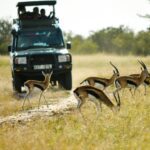
Unlike zoos, safaris place you inside vast ecosystems. You explore in open-roof 4×4 vehicles, on guided walks, by boat, or sometimes even by small bush planes. As a result, every safari feels different depending on location, season, and travel style.
For example, many first-time travelers visit Serengeti National Park, Maasai Mara National Reserve, or Kruger National Park.
Why Africa Is the World’s Top Safari Destination
Africa offers something no other continent can match: enormous wild landscapes filled with free-roaming animals.
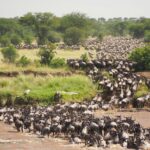
In addition, Africa hosts the famous Great Migration, where over a million wildebeest move between Kenya and Tanzania each year. Countries like Kenya, Tanzania, South Africa, Botswana, and Namibia also invest heavily in conservation and tourism infrastructure.
As a result, travelers enjoy professional guides, reliable wildlife sightings, and accommodation options ranging from budget camps to luxury lodges.
African Safari Glossary
Safari travel includes several unique terms. Understanding these words helps you navigate itineraries and guide explanations.
Game Drive – A guided wildlife viewing trip in a safari vehicle.
Big Five – Lion, leopard, elephant, rhino, and buffalo.
Tented Camp – A luxury campsite with permanent canvas structures.
Conservancy – Privately managed land dedicated to wildlife conservation.
Bush Flight – A small aircraft flight connecting remote safari camps.
Defining Your Safari Dream: Goals and Expectations
Before researching flights or lodges, define what you truly want.
Wildlife Priorities
Most beginners hope to see the Big Five: lion, leopard, elephant, rhino, and buffalo. However, you might also dream of:
- The Great Migration in Kenya
- Gorilla trekking in Uganda or Rwanda
- Desert-adapted elephants in Namibia
Clarifying your wildlife goals shapes every decision that follows.
Experience Style
Be honest about comfort:
- Do you prefer luxury lodges with pools and fine dining?
- Or are you happy in simple tented camps where you hear hyenas at night?
Your answer determines whether you choose fly-in luxury safaris or overland adventures.
East Africa vs Southern Africa: Choosing Your Destination
East Africa (Kenya & Tanzania)
East Africa delivers the classic safari experience — endless plains, Maasai culture, and massive migrations.
Best for: First-timers, iconic landscapes, river crossings
Pros: High wildlife density, famous parks, strong safari circuits
Cons: Peak season crowds and higher park fees
Southern Africa (South Africa, Botswana & Namibia)
Southern Africa offers incredible variety.
- South Africa is beginner-friendly and great for self-drive trips
- Botswana focuses on exclusive wilderness experiences, especially in the Okavango Delta
- Namibia stands out for dramatic desert scenery
Step 1: Choose Beginner-Friendly Safari Countries
Popular choices include:
- Kenya – Excellent wildlife density and cultural encounters
- Tanzania – Vast plains and dramatic migration scenes
- South Africa – Strong infrastructure and self-drive options
- Botswana – Premium wilderness experiences
- Namibia – Desert landscapes and photography opportunities
For most first-timers, Kenya and Tanzania provide the easiest starting point.
Step 2: Pick the Best Time to Go on Safari
Timing affects wildlife viewing, prices, and weather.
Dry Season (June–October)
- Easier animal spotting
- Cooler temperatures
- Higher prices
- Busier parks
Green Season (November–May)
- Fewer tourists
- Lower costs
- Lush landscapes
- Baby animals
However, heavy rains usually fall in April and May.
For beginners, July through September offers the best balance.
Step 3: Set a Realistic Safari Budget
Safari prices vary widely.
Typical Daily Costs
Budget: $150–$250
Shared vehicles, basic camps
Mid-range: $300–$600
Private rooms, professional guides
Luxury: $800+
Fly-in camps, gourmet dining
Most packages include accommodation, meals, park fees, game drives, and guide services. Flights, visas, and tips are usually separate.
Therefore, always confirm exactly what your safari includes.
Step 4: Choose Your Safari Style
Group Safari
Lower cost and social, but fixed itineraries.
Private Safari
Flexible schedules and personalized wildlife viewing.
Self-Drive Safari
Maximum independence, best in South Africa or Namibia.
Fly-In Safari
Quick access to remote areas, common in Botswana and northern Kenya.
For beginners, guided safaris reduce stress and maximize sightings.
Step 5: Understanding Safari Accommodation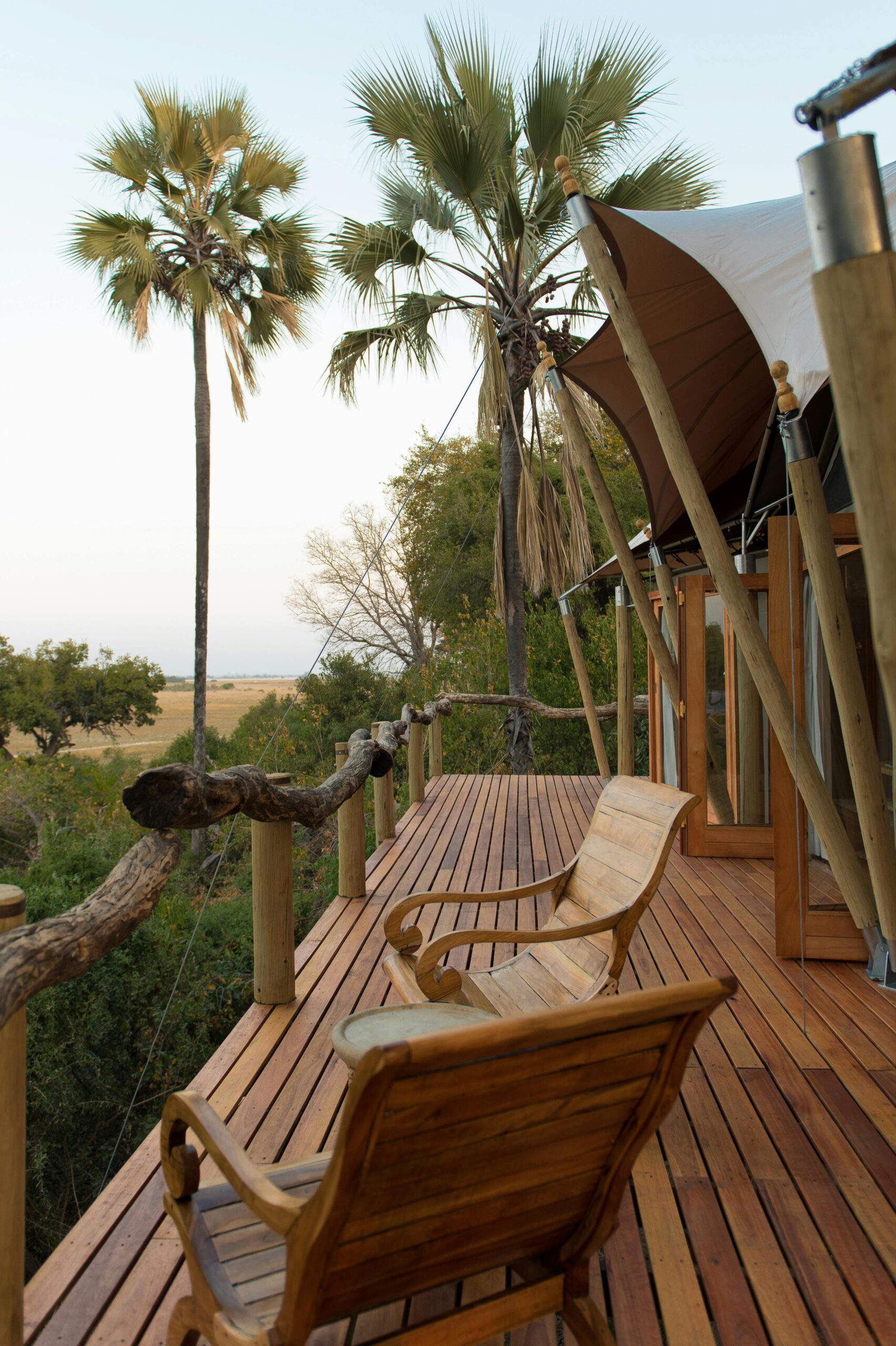
Options range from basic to ultra-luxury:
- Budget camps
- Safari lodges
- Luxury tented camps
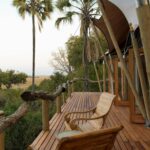
- High-end lodges with spas and private decks
Fortunately, wildlife viewing remains excellent across all categories.
Step 6: What Animals Will You See?

Most travelers hope to see the Big Five. In addition, expect giraffes, zebras, hippos, crocodiles, and hundreds of bird species.
However, sightings vary daily. Guides track animals using experience and radio communication. Therefore, patience always pays off.
Step 7: How Long Should Your Safari Be?
Follow the three-night rule — stay at least three nights per location.
Shorter stays waste time on transfers. If visiting multiple ecosystems, consider bush flights instead of long drives.
Five to seven days provides a strong introduction for first-timers.
Step 8: Packing Essentials for Beginners
Clothing
Neutral colors, light layers, warm jacket for mornings.
Gear
Binoculars, camera with zoom lens, sunscreen, reusable bottle.
Documents
Passport, insurance, vaccination records.
Always use soft-sided bags for small aircraft.
Step 9: Health, Safety, and Vaccinations
Visit a travel clinic 4–6 weeks before departure.
Common recommendations include yellow fever, hepatitis A & B, typhoid, and malaria prevention.
Drink bottled water and follow guide instructions around wildlife. African safaris are generally safe when booked with licensed operators.
Travel insurance with medical evacuation is essential. Travelers should consult a travel clinic before departure. In addition, health authorities such as the World Health Organization provide updated information on vaccines and travel health recommendations.
Step 10: Booking Your Safari
You can book directly with lodges, through local operators, or via international agencies.
Local operators often provide better value and firsthand knowledge. Always check reviews, licenses, itineraries, and transparent pricing.
For peak season, book 6–12 months in advance.
Unique Safari Experiences to Add
- Hot air balloon rides
- Walking safaris
- Night game drives
- Cultural village visits
- Canoe safaris in the Okavango Delta
These experiences deepen your connection with Africa’s landscapes and cultures.
Sample 7-Day Beginner Safari Itinerary
Day 1: Arrival and rest
Day 2: Transfer + afternoon game drive
Days 3–5: Full safari days
Day 6: Cultural visit or nature walk
Day 7: Return and departure
Ethical Safari Travel Tips
- Avoid animal interactions
- Respect park rules
- Support local communities
- Choose eco-certified lodges
Responsible safari travel helps protect wildlife and natural habitats. For example, conservation organizations such as the Kenya Wildlife Service manage national parks and enforce rules that protect animals and ecosystems.
Best African Safari Destinations for Beginners
Choosing the right destination is one of the most important parts of planning your safari. Some parks offer better wildlife density, easier travel logistics, and reliable sightings. Therefore, beginners often start in well-established safari regions.
Below are several parks that consistently deliver excellent experiences for first-time visitors.
Maasai Mara National Reserve (Kenya)
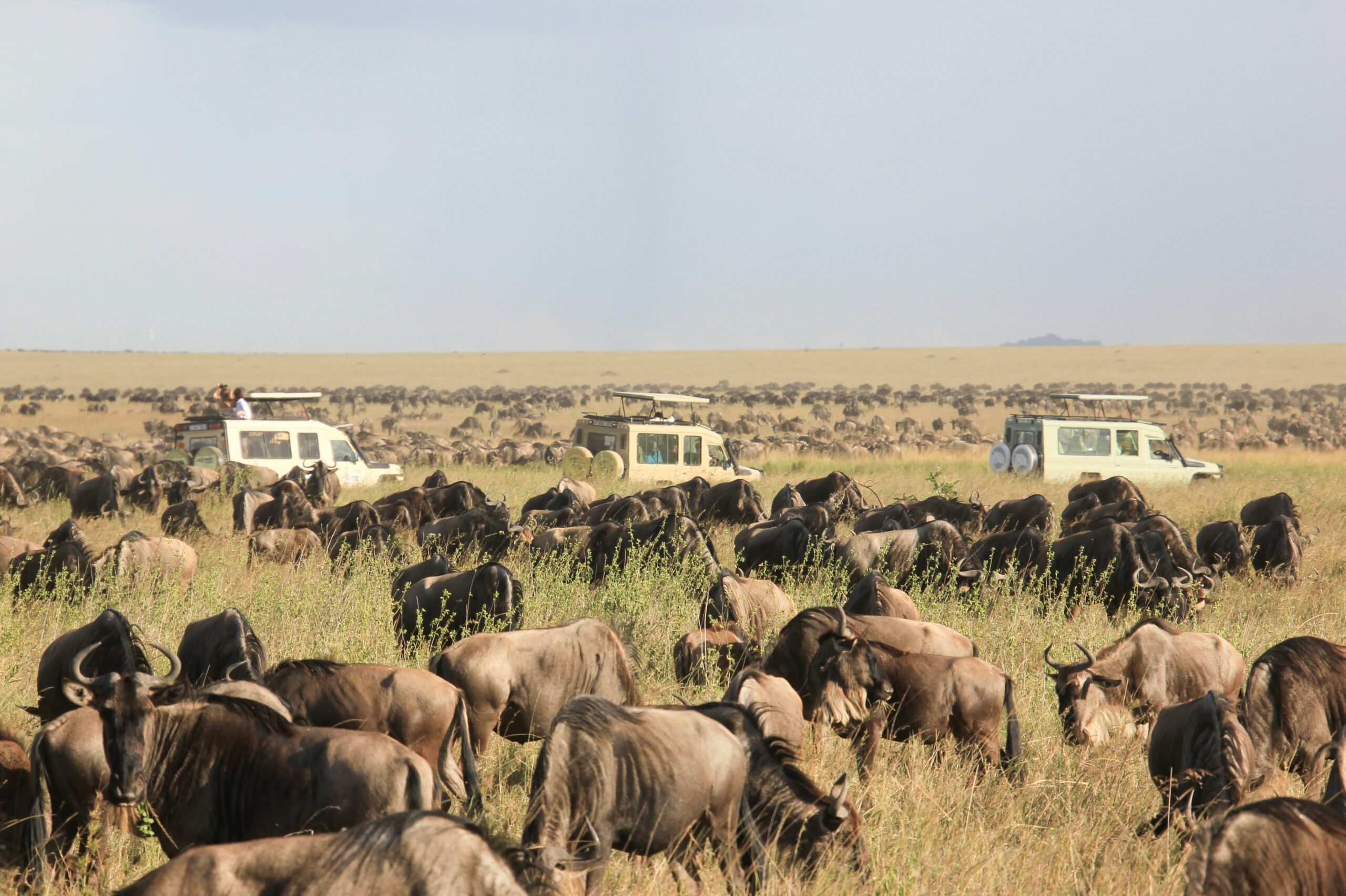
The Maasai Mara is one of the most famous safari destinations in Africa. It is especially known for its large populations of lions, cheetahs, and elephants.
In addition, the reserve hosts part of the Great Migration. Each year, huge herds of wildebeest cross the Mara River while predators wait nearby. As a result, wildlife viewing is dramatic and frequent.
Game drives here are also easy to organize. Many lodges sit close to wildlife areas, which means you can see animals soon after entering the park.
Because of this combination of accessibility and wildlife density, the Maasai Mara remains one of the best safari parks for beginners.
Serengeti National Park (Tanzania)
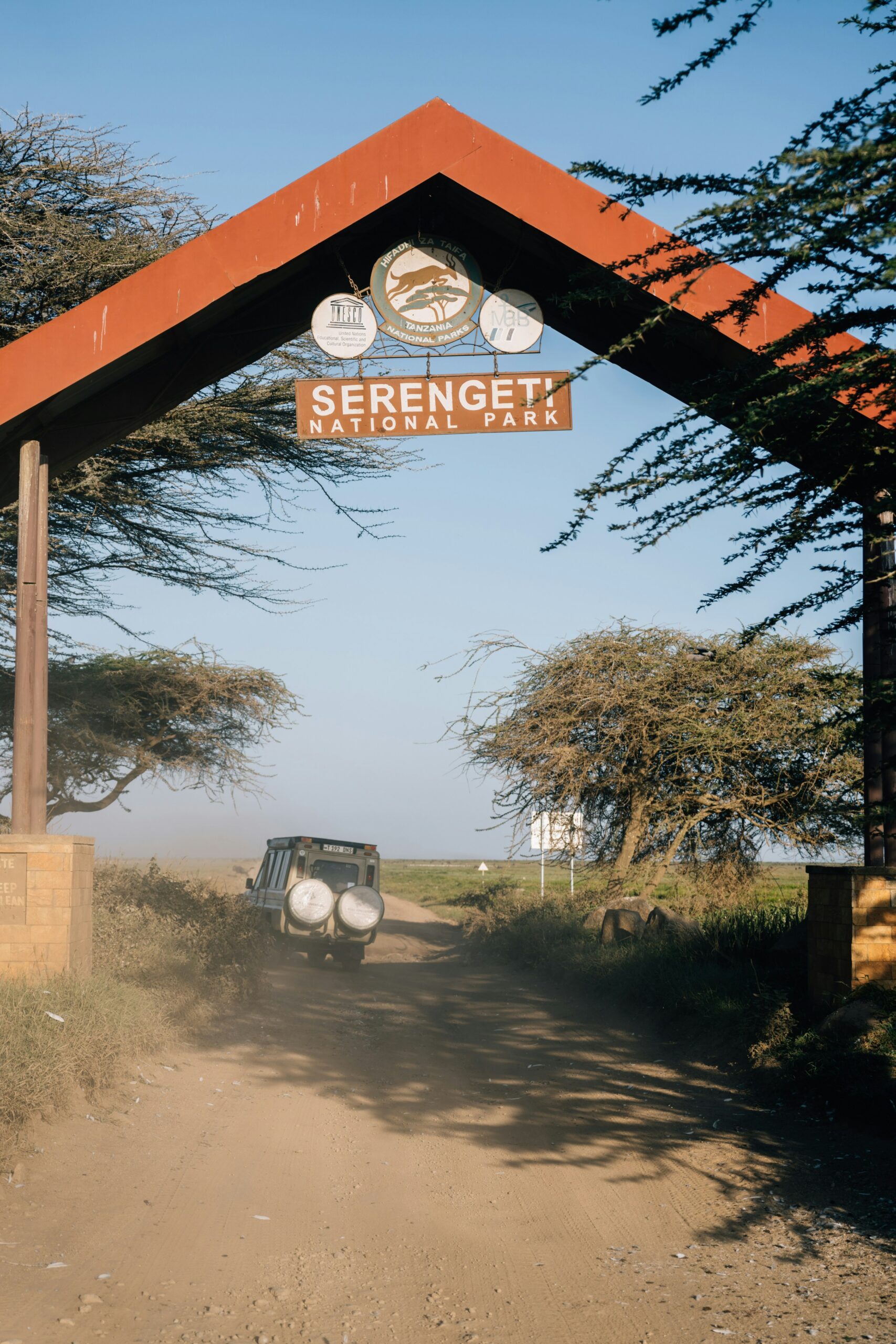
The Serengeti is famous for its endless plains and extraordinary wildlife populations. It is also one of the best places to witness the Great Migration.
However, the Serengeti offers much more than migration herds. Visitors often see lions resting on kopjes, cheetahs hunting across open grasslands, and large elephant families moving through acacia trees.
Because the park is so large, it supports wildlife throughout the year. Therefore, travelers can enjoy excellent safari experiences in almost any season.
Amboseli National Park (Kenya)
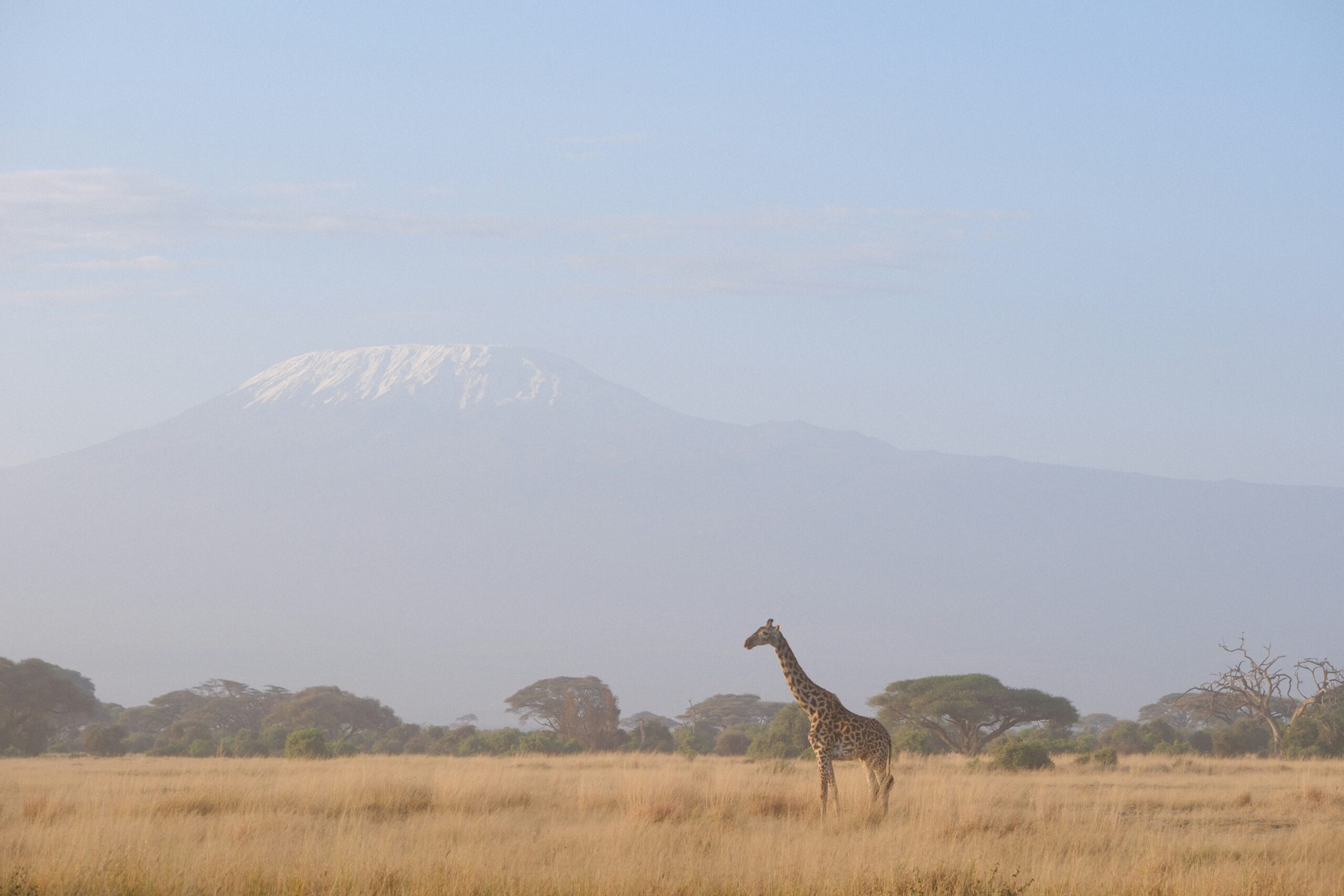
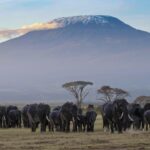
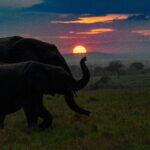
Amboseli National Park is famous for its elephant herds and spectacular views of Mount Kilimanjaro.
Many photographers love Amboseli because animals often walk across open plains with Kilimanjaro rising in the background. Consequently, the scenery feels iconic and unmistakably African.
The park is also smaller than some safari areas. This makes wildlife easier to locate, which is ideal for first-time safari travelers.
Kruger National Park (South Africa)
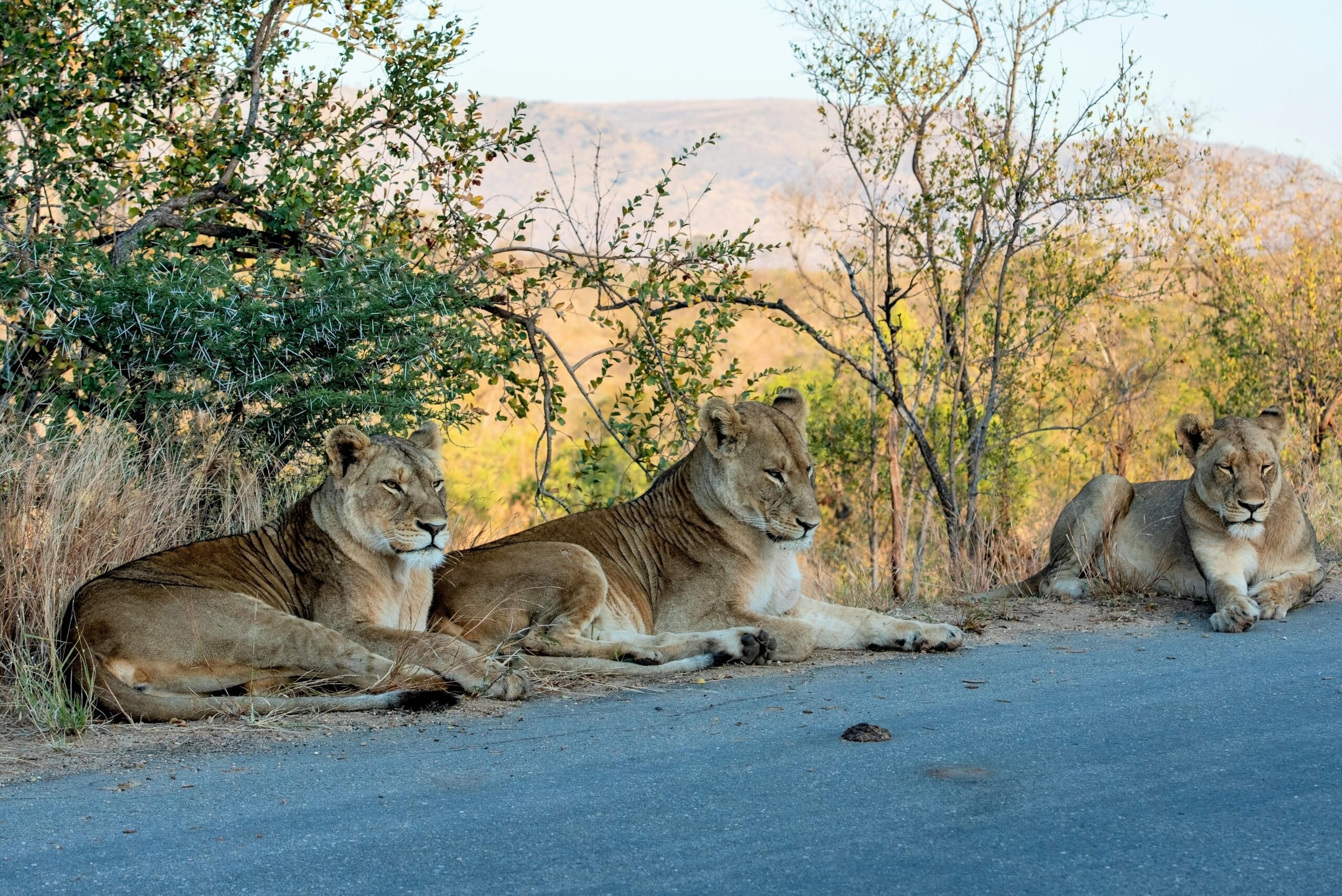
Kruger National Park is one of the most accessible safari destinations in Africa. It offers excellent roads, strong tourism infrastructure, and diverse wildlife.
Unlike many parks, Kruger also allows self-drive safaris. Travelers can rent a vehicle and explore the park independently.
Because of its size and wildlife diversity, visitors often see the Big Five during a single trip. For beginners who prefer flexibility, Kruger provides an excellent introduction to African safaris.
Understanding African Safari Costs
Many travelers assume that safaris are always extremely expensive. However, costs vary widely depending on destination, accommodation, and travel style.
Understanding the price structure helps you plan realistically and avoid unexpected expenses.
What Is Usually Included in a Safari Package
Most safari packages include several core services.
These commonly include:
- Accommodation
- Meals during your stay
- Game drives with professional guides
- National park entry fees
- Transportation inside the safari area
Because many activities are included, safaris often feel more expensive at first glance. However, daily costs typically cover nearly everything once you arrive.
Extra Safari Costs to Consider
Even when a safari package includes many services, some expenses remain separate.
These may include:
- International flights
- Travel visas
- Travel insurance
- Guide tips
- Alcoholic drinks at lodges
In addition, small bush flights between parks may increase the total price. Therefore, always review your itinerary carefully before confirming a booking.
African Safari Planning Timeline
Planning a safari works best when you prepare early. Many popular lodges sell out months in advance, especially during peak wildlife seasons.
Following a simple timeline makes the process much easier.
12 Months Before Travel
Start researching destinations and safari styles. Decide whether you prefer East Africa or Southern Africa.
You should also begin estimating your travel budget. This step helps narrow down accommodation options later.
6–9 Months Before Travel
Book your safari operator or lodge during this period. Peak season trips often require early reservations.
Flights also become more affordable when booked several months ahead.
3–4 Months Before Travel
Visit a travel clinic and review vaccination recommendations.
You should also purchase travel insurance and check passport validity.
Most countries require passports to remain valid for at least six months after travel.
1 Month Before Travel
Confirm all bookings and finalize your packing list.
In addition, inform your bank about international travel and organize local currency if necessary.
By completing these final steps early, you reduce stress before departure.
Safari Transportation Options
Travel within safari regions happens in several ways. Each option offers different advantages depending on the distance and terrain.
Safari Vehicles
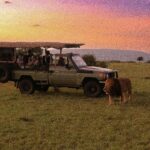
Most game drives take place in specialized 4×4 vehicles. These vehicles usually have pop-up roofs that allow travelers to stand and observe wildlife.
Guides drive slowly through the landscape while explaining animal behavior and tracking signs.
Because guides communicate with other drivers by radio, they can locate wildlife efficiently.
Bush Flights
Some safari regions are extremely remote. Therefore, travelers often fly between camps using small bush aircraft.
These flights save many hours of driving and allow access to isolated wilderness areas.
However, luggage weight limits are usually strict. Soft duffel bags are strongly recommended.
Overland Transfers
In certain safari circuits, travelers move between parks by road. While these drives can be long, they also reveal rural landscapes and local communities.
For example, journeys between parks in Kenya or Tanzania often include scenic countryside views.
Safari Photography Tips for Beginners
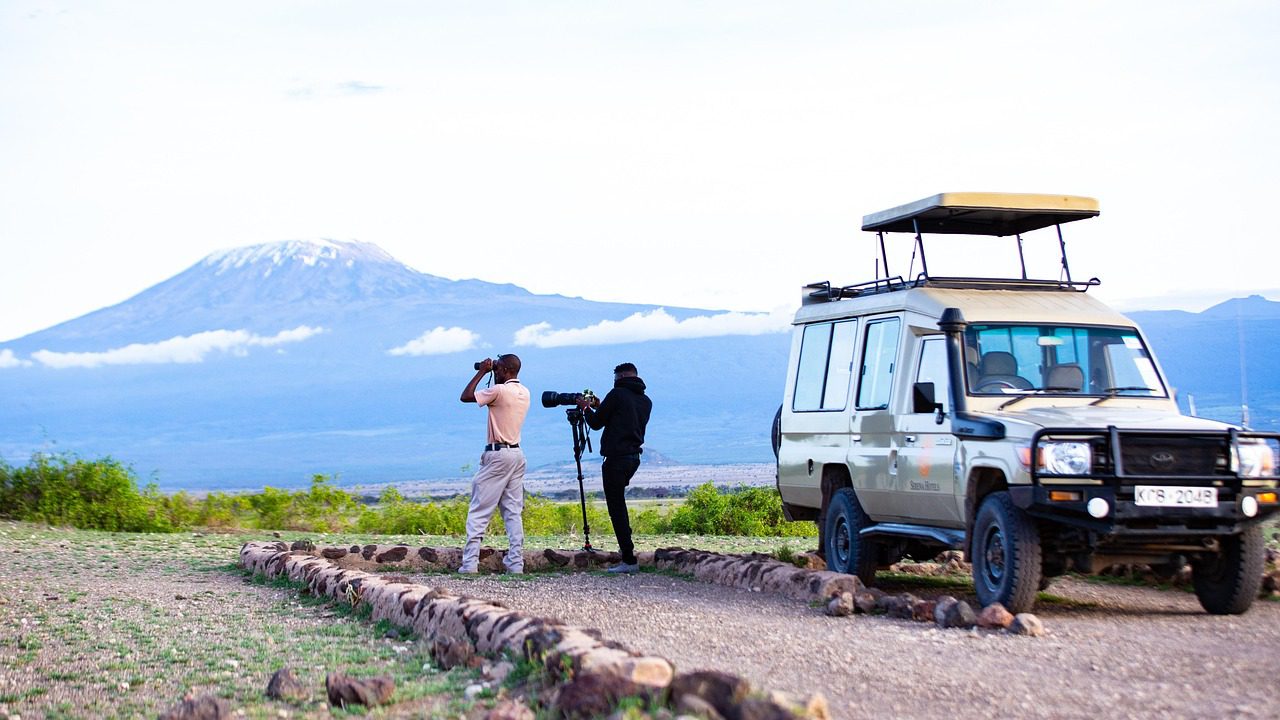
Safari photography can produce incredible images. However, wildlife moves quickly, and lighting changes throughout the day.
A few simple tips can greatly improve your photos.
Use a Zoom Lens
Animals rarely stand close to safari vehicles. Therefore, a camera with a strong zoom lens is extremely helpful.
Many safari photographers use lenses between 200mm and 400mm. As a result, they can capture detailed wildlife images without disturbing animals.
Shoot During Early Morning or Late Afternoon
Wildlife is usually more active during cooler hours of the day. In addition, early morning and late afternoon provide softer natural light.
Because of this, these times often produce the best wildlife photographs.
Be Patient
Animals do not follow a schedule. Sometimes the best photos happen after long periods of waiting.
However, patience often rewards photographers with unique wildlife moments.
Safari Etiquette and Wildlife Viewing Rules
Safaris place visitors inside fragile ecosystems. Therefore, responsible behavior protects both animals and travelers.
Following basic safari etiquette ensures a safe and respectful experience.
Stay Quiet Around Wildlife
Loud noises may disturb animals or cause them to move away. Speaking quietly allows everyone to observe wildlife calmly.
Never Feed Wild Animals
Feeding wildlife disrupts natural behavior and may create dangerous situations.
Animals must always find food naturally.
Follow Your Guide’s Instructions
Guides understand animal behavior and park safety rules. Therefore, always listen carefully when they provide instructions. Furthermore, guides know how to approach animals safely without causing stress.
This helps protect both visitors and wildlife.
Common Safari Packing Mistakes
Even experienced travelers sometimes pack the wrong items for safari.
Avoiding these mistakes can make your trip much more comfortable.
Packing Bright Clothing
Bright colors attract insects and may disturb animals.
Neutral tones like khaki, beige, and olive work best.
Bringing Hard Suitcases
Small aircraft and safari vehicles have limited storage space.
Soft duffel bags are easier to transport and usually required for bush flights.
Forgetting Binoculars
Many wildlife sightings happen at a distance. Therefore, binoculars make a huge difference during game drives.
With them, travelers can observe animal behavior clearly without disturbing wildlife.
Frequently Asked Questions
Is an African safari suitable for families?
Yes. Many lodges offer family rooms.
Will I definitely see the Big Five?
Not guaranteed. However, experienced guides maximize chances.
Do I need travel insurance?
Absolutely. Medical evacuation coverage is critical.
What country is best for a first African safari?
Kenya, Namibia, and South Africa are excellent choices for beginners. These countries offer strong tourism infrastructure and reliable wildlife sightings.
How safe are African safaris?
Safaris are generally very safe when conducted with licensed guides and operators. Guides follow strict safety procedures around wildlife.
What is the cheapest African safari destination?
South Africa often provides the most affordable safaris, especially for self-drive travelers visiting Kruger National Park.
Can you go on safari without a guide?
Self-drive safaris are possible in certain parks. However, guided safaris usually provide better wildlife sightings and deeper knowledge.
Do safari lodges have Wi-Fi?
Many lodges offer Wi-Fi in common areas. However, remote camps may limit internet access to encourage a more immersive experience.
What time do safari game drives start?
Morning drives usually begin around sunrise. Afternoon drives often start in the late afternoon and continue until sunset.
Internal Resources
For deeper planning, explore:
Final Thoughts
Learning how to plan an African safari for beginners doesn’t need to be complicated.
By defining your goals, choosing the right region and season, setting a realistic budget, and packing smart, you prepare for an adventure filled with unforgettable wildlife moments and breathtaking scenery.
Africa rewards thoughtful planning with experiences that stay with you forever. Start small, stay curious, and let the wild surprise you.