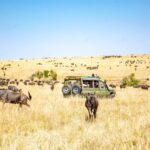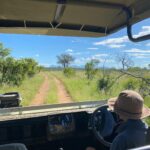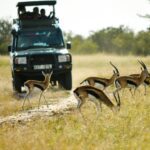
Planning a safari doesn’t have to drain your savings. With the right strategy, you can experience Kenya’s legendary wildlife while staying within a realistic budget.
This budget Kenya safari guide shows you exactly how to spend less without missing out on unforgettable game drives, iconic landscapes, and close encounters with Africa’s Big Five.
In addition, you’ll learn how to choose affordable parks, reduce transport costs, pick budget-friendly accommodation, and avoid common tourist traps. Whether you’re traveling solo, as a couple, or with friends, this guide helps you plan smarter — not cheaper in quality.
Let’s begin.
Why a Budget Kenya Safari Is Completely Possible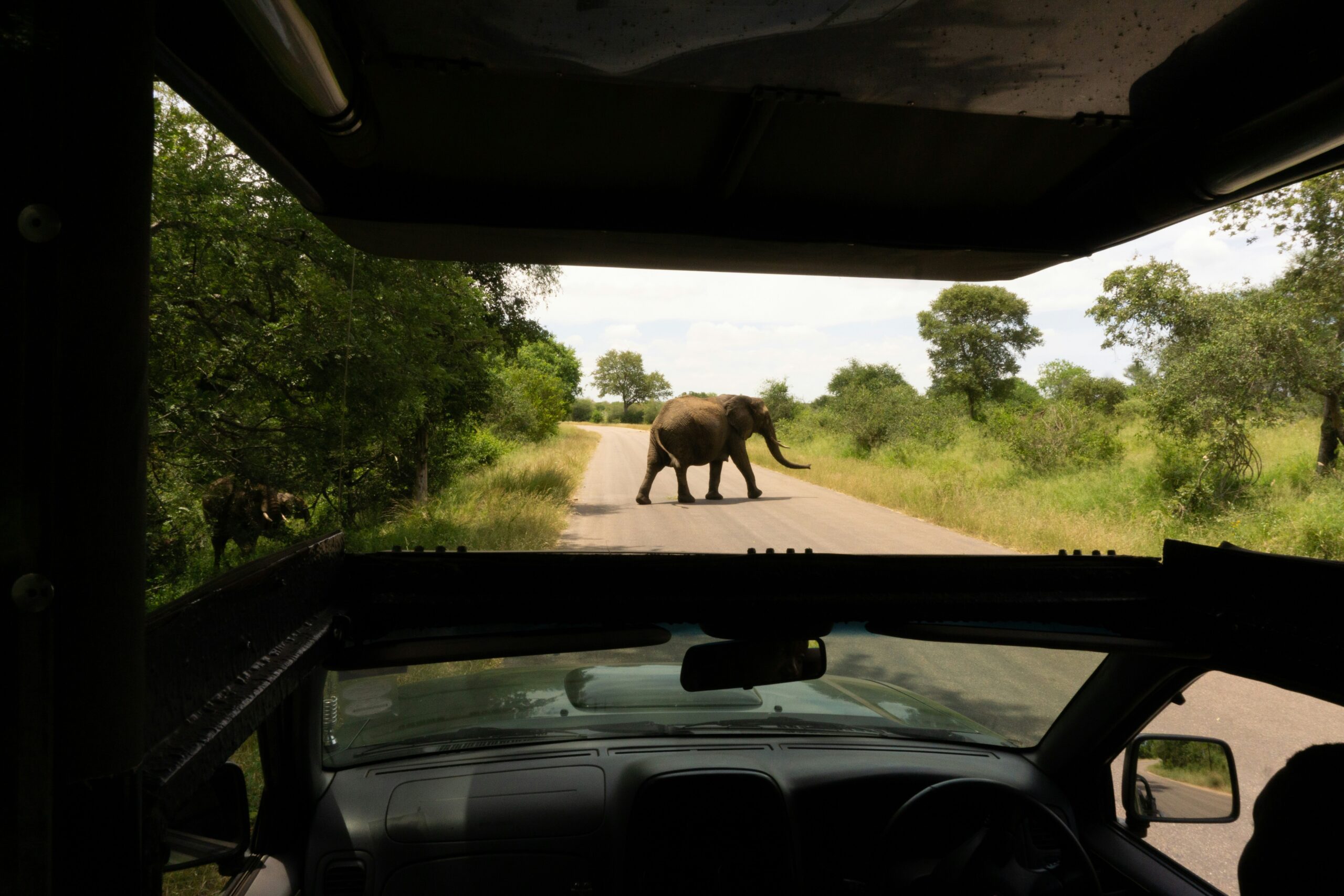
There’s a common belief that a low-cost safari means a low-quality experience. However, wildlife doesn’t care how much you paid for your lodge.
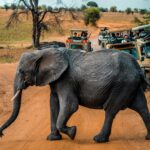
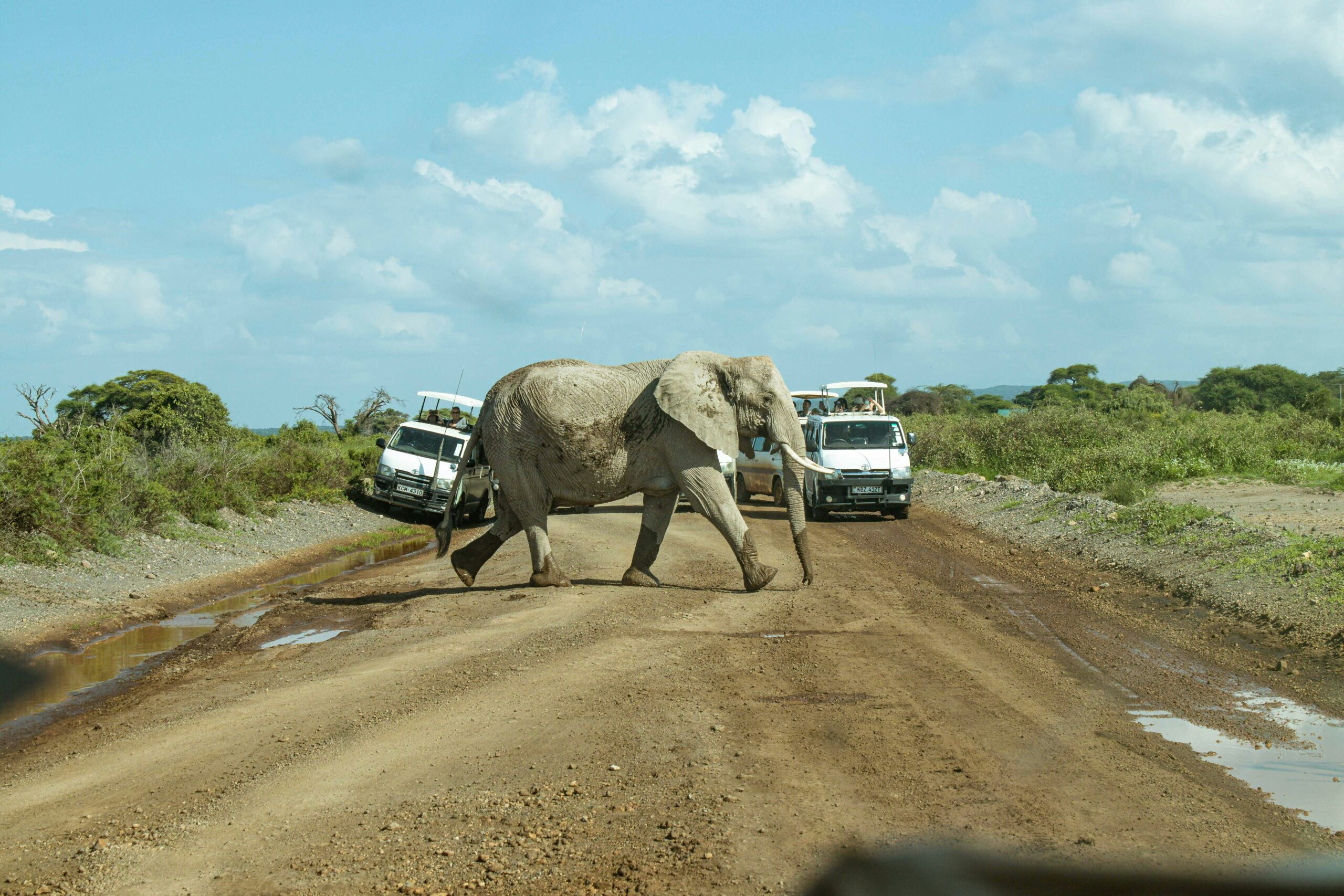
Elephants still cross the same roads. Lions still hunt at dawn. Leopards still rest in acacia trees.
A budget safari simply saves money through:
- Shared safari vehicles
- Simpler accommodation
- Group departures
- Strategic travel timing
As a result, you enjoy the same animals as luxury guests — just without champagne breakfasts.
Moreover, Kenya offers one of Africa’s best tourism infrastructures. Roads, guides, and park systems are well developed, which keeps prices competitive.
That’s why Kenya remains one of the easiest countries to experience an affordable safari.
Best Budget Safari Parks in Kenya
Choosing the right parks makes a massive difference to your total cost.
Maasai Mara National Reserve – Best Overall Wildlife Value
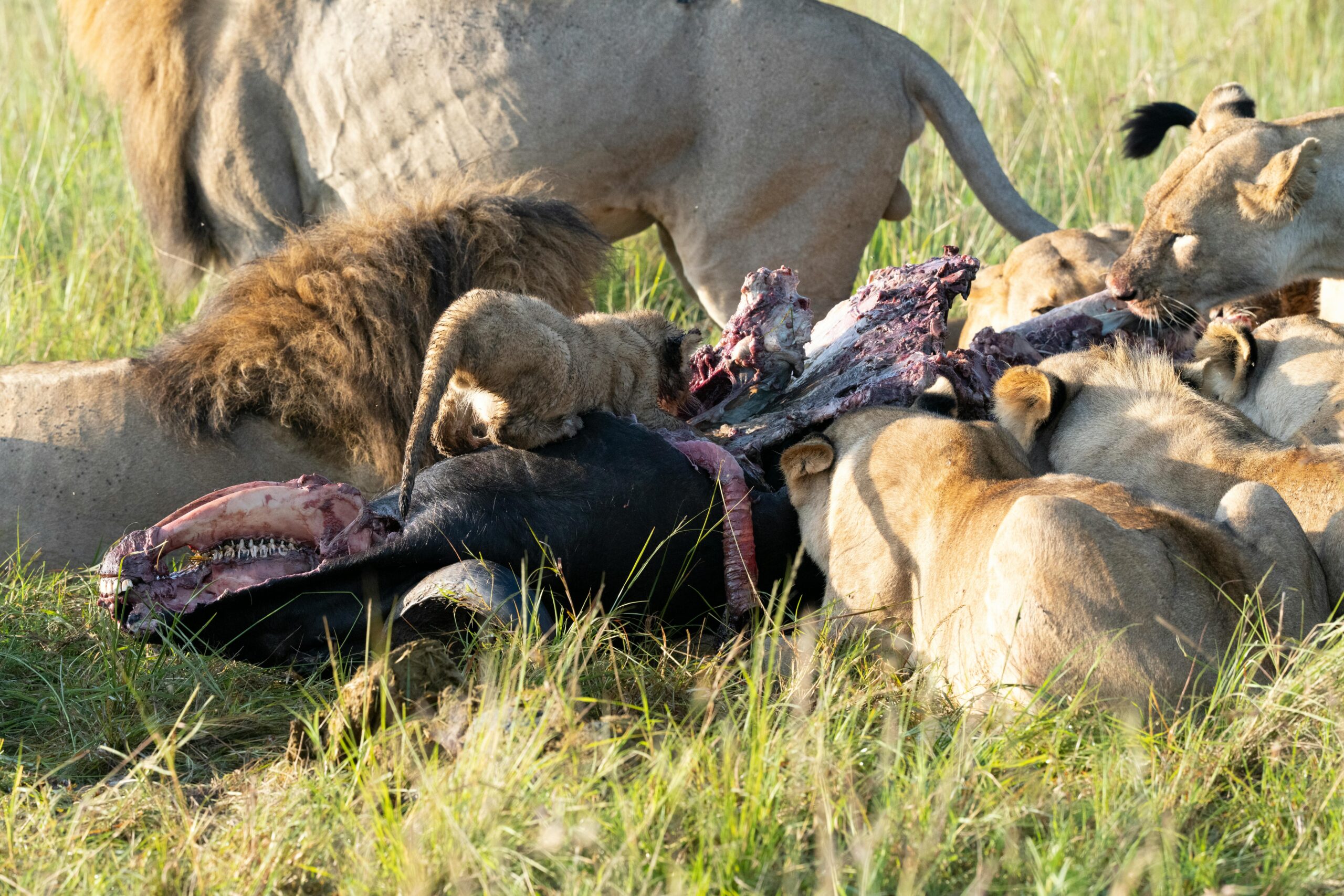
Despite its fame, Maasai Mara can still be affordable when you visit outside peak season or join group safaris.
Why it works for budgets:
- Huge wildlife density
- Shared tours reduce costs
- Many affordable camps outside main gates
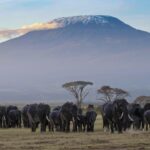
Amboseli National Park – Elephants + Kilimanjaro Views
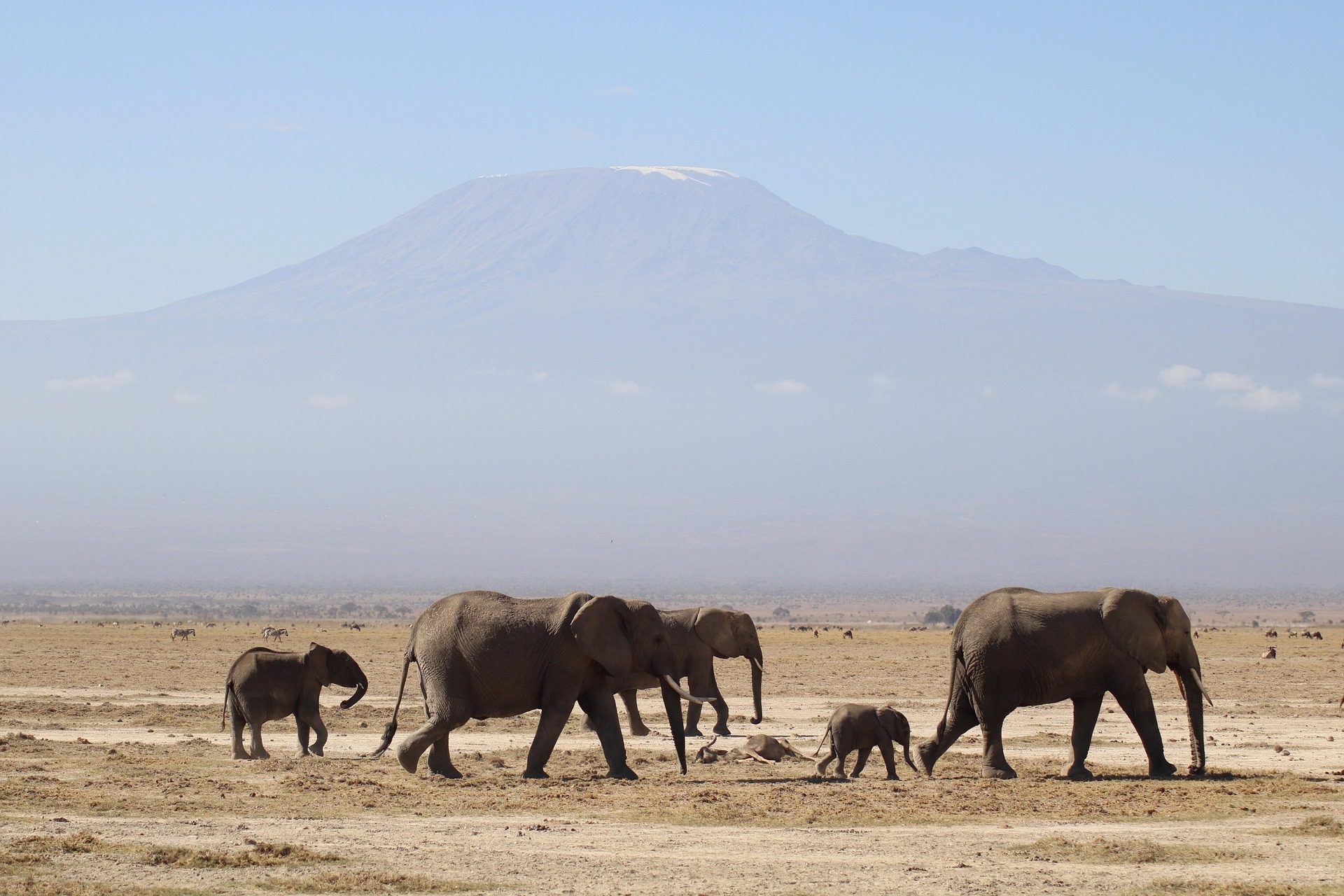
Amboseli offers postcard scenery at lower accommodation costs.
Budget highlights:
- Short distance from Nairobi
- Affordable lodges nearby
- Massive elephant herds
Lake Nakuru National Park – Flamingos + Rhinos
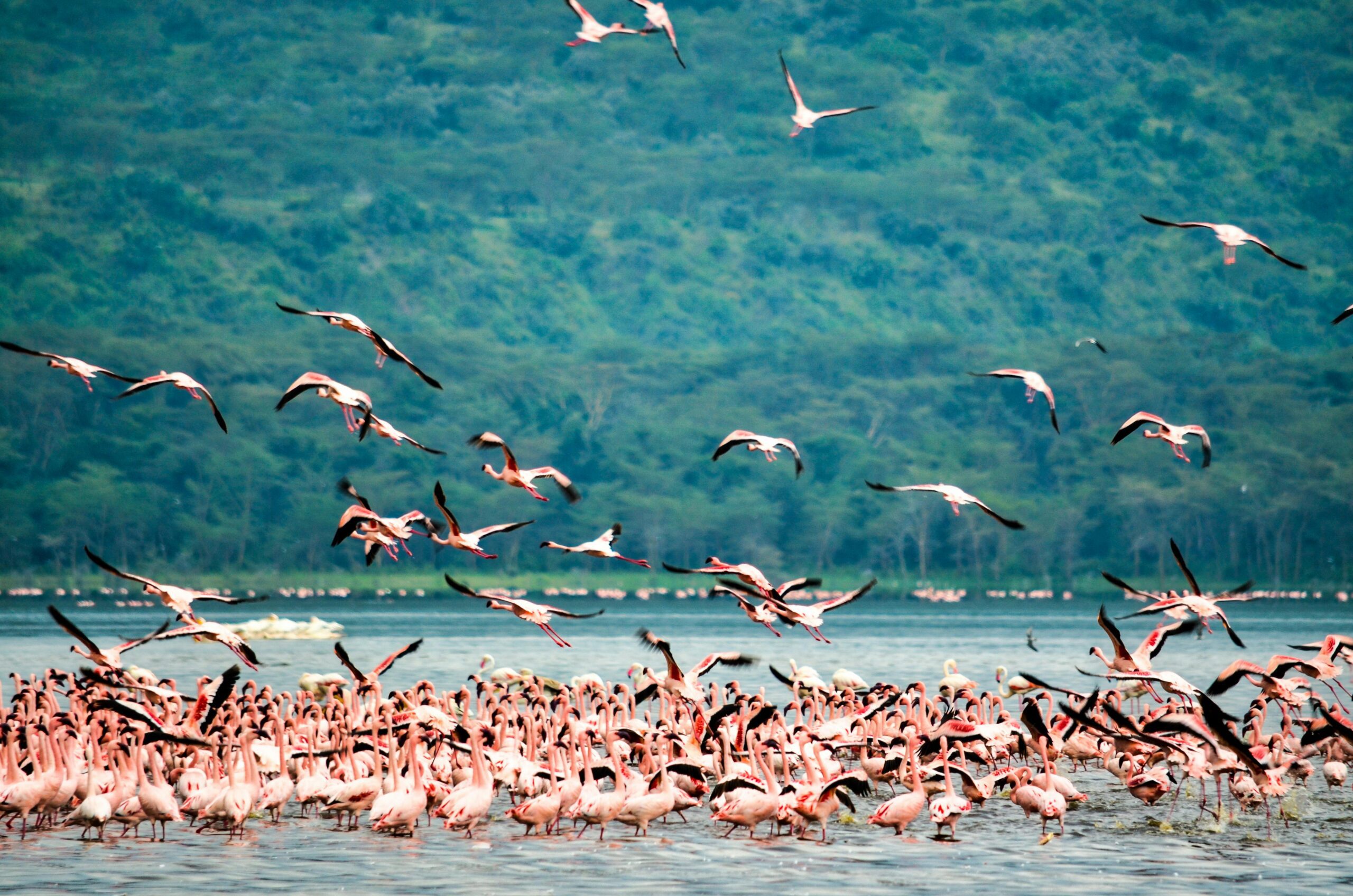
Perfect for short trips and tight budgets.
- Compact park
- Excellent rhino sightings
- Lower entry fees than Mara
Tsavo East National Park & Tsavo West National Park – Fewer Crowds, Lower Prices
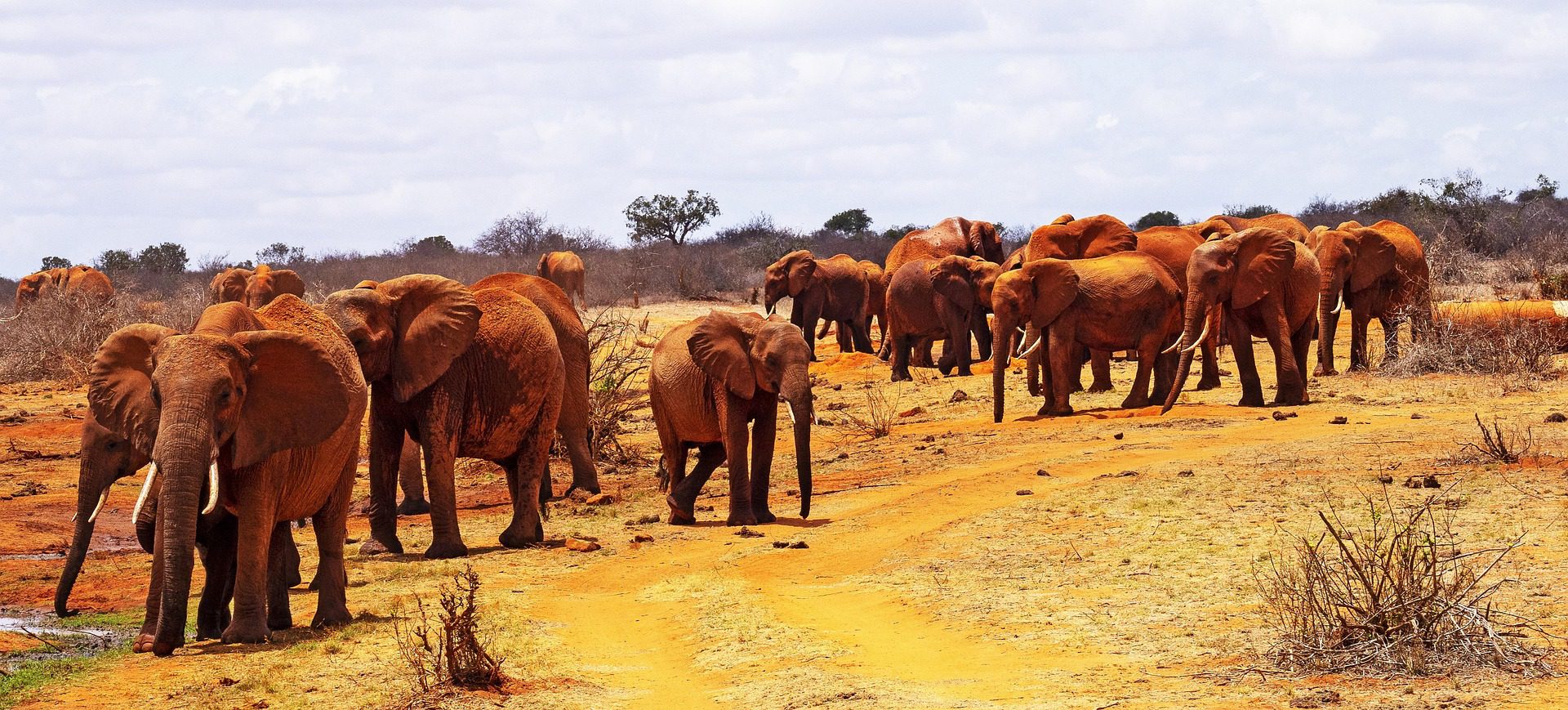
These massive parks are famous for red elephants and wild landscapes.
Because they receive fewer visitors, nearby lodges often cost less.
Hell’s Gate National Park – Ultra-Budget Adventure
You can walk or cycle here without a guide, skipping game-drive costs entirely.
How Much Does a Budget Kenya Safari Cost?
Here’s a realistic breakdown per person:
Daily Budget Range
- Ultra-budget: $120–180
- Budget: $180–300
- Mid-range: $300–450
Usually included:
- Park fees
- Shared safari vehicle
- Budget accommodation
- Meals
- Professional guide
Flights, visas, and tips are typically separate.
Sample 4-Day Budget Safari Cost Breakdown
| Item | Estimated Cost |
| Budget tented camp (3 nights) | $240 |
| Park fees | $210 |
| Shared transport + guide | $150 |
| Drinks & snacks | $50 |
| Estimated Total | $650 |
A similar luxury trip easily exceeds $2,500.
Same animals. Very different price.
Cheapest Time to Visit Kenya for Safari
Timing matters more than most travelers realize.
Low Season (April–June & November)
Pros
- Cheaper lodges
- Fewer tourists
- Lush landscapes
Cons
- Occasional rain
- Muddy roads
Savings can reach 40%.
Shoulder Season (March & October)
Best balance of value and wildlife.
High Season (July–September & December)
Great Migration period.
However, prices peak and camps fill fast.
Money-saving tip: Visit late June or early October.
Affordable Safari Accommodation Options
Accommodation eats up most budgets. Fortunately, Kenya offers great low-cost choices.
Budget Tented Camps
Permanent tents with beds, bathrooms, and meals.
They feel authentic and cost far less than luxury lodges.
Public Campsites
For adventurous travelers, parks offer campsites for $10–30 per night.
Lodges Outside Parks
Staying outside gates can reduce costs by 30–50%.
You still access the same wildlife.
Group Safaris vs Private Safaris
Group Safaris
- Shared vehicle
- Fixed itinerary
- Much cheaper
Ideal for solo travelers or couples.
Private Safaris
- Flexible schedule
- Exclusive vehicle
- Higher cost
If you’re budget-conscious, group safaris offer unbeatable value.
Getting Around on a Budget
Road Transfers
Cheapest option.
Expect 4–6 hours from Nairobi to popular parks.
Domestic Flights
Faster but pricier ($150–350 one way).
Budget tip: Use road transfers and upgrade only one leg if needed.
Eating and Drinking on a Budget
Whenever possible, eat local food.
Kenyan dishes like nyama choma, ugali, chapati, and sukuma wiki cost far less than lodge meals.
Also:
- Carry refillable water bottles
- Buy snacks in Nairobi supermarkets
- Avoid lodge bars
These small choices save surprising amounts.
Booking Smart: Local vs International Operators
Booking directly with Kenyan operators avoids overseas markups.
You can save 20–40%.
Platforms like SafariBookings help compare companies.
Always verify operators are registered with Kenya Wildlife Service.
What Wildlife Can You Expect?
Even budget safaris deliver:
- Lions
- Elephants
- Giraffes
- Zebras
- Wildebeest
- Buffalo
- Rhinos (Nakuru)
If you’re lucky, you may also spot leopards and cheetahs.
Cheaper does NOT mean fewer animals.
Smart Ways to Save More Money
- Book locally
- Travel light
- Avoid single supplements
- Skip hot-air balloons
- Choose shared vehicles
- Travel off-season
Instead, invest in a good guide. Knowledge beats luxury every time.
Common Budget Safari Mistakes
- Choosing price over safety
- Ignoring park fees in quotes
- Booking without reviews
- Traveling only in peak season
- Forgetting travel insurance
Avoiding these mistakes protects both your wallet and your safari experience.
What to Pack
- Neutral clothing
- Light jacket
- Sunscreen
- Hat
- Comfortable shoes
- Camera or phone
- Small backpack
Budget Kenya Safari Packing Checklist
Preparing for a safari does not require expensive gear. However, packing the right essentials will make your trip far more comfortable and enjoyable. A smart packing list helps you stay organized while avoiding unnecessary luggage fees.
Most budget safaris involve early morning game drives, dusty roads, and long hours outdoors. Therefore, it is important to pack practical clothing and reliable equipment.
Below is a simple checklist to help you prepare for your adventure.
Clothing for Safari Weather
Safari days usually start early, often before sunrise. Mornings can be cool, but temperatures rise quickly as the day progresses. For this reason, layering works best.
Neutral-colored clothing is ideal because it blends into the environment and avoids attracting insects.
Recommended clothing includes:
- Lightweight long-sleeve shirts
- Neutral colors such as khaki, beige, or olive
- Comfortable trousers or safari pants
- A light jacket or fleece for early game drives
- A wide-brim hat for sun protection
- Comfortable walking shoes or hiking boots
Avoid bright colors, as they may disturb wildlife.
Essential Safari Gear
Even on a budget Kenya safari, a few key items greatly improve the experience.
Useful gear includes:
- Binoculars for spotting distant wildlife
- A reusable water bottle
- Sunglasses with UV protection
- Sunscreen with high SPF
- A small backpack for day trips
- A power bank for charging devices
These items ensure you stay comfortable during long game drives.
Photography Equipment
Many travelers visit Kenya specifically to photograph wildlife. Fortunately, you do not need professional equipment to capture memorable shots.
If possible, bring:
- A DSLR or mirrorless camera
- A zoom lens (200–400mm works well for wildlife)
- Extra memory cards
- Spare batteries
However, modern smartphones can also capture impressive images, especially in good lighting.
Health and Safety Items
Staying healthy during your safari should always be a priority.
Consider packing:
- Basic first-aid supplies
- Insect repellent
- Personal medication
- Hand sanitizer
- Wet wipes
In addition, travel insurance documents should always be carried with you.
Travel Documents
Before leaving home, confirm that all important documents are ready.
Carry copies of:
- Passport
- Travel insurance policy
- Safari booking confirmations
- Flight tickets
- Emergency contact numbers
Keeping digital copies on your phone is also a smart backup.
Best Budget Kenya Safari Itineraries
Choosing the right itinerary helps you maximize wildlife sightings while keeping costs low. Shorter routes reduce travel time, fuel expenses, and accommodation costs.
Below are three practical itinerary ideas for budget travelers.
3-Day Budget Safari Itinerary
Route: Nairobi → Masai Mara → Nairobi
This is one of the most popular short safaris in Kenya.
Day 1:
Depart Nairobi early and drive toward the Masai Mara. After lunch at your camp, enjoy an afternoon game drive.
Day 2:
Spend the entire day exploring the reserve. The Masai Mara has one of the highest wildlife densities in Africa.
Day 3:
Morning game drive followed by the return journey to Nairobi.
This itinerary is perfect for travelers with limited time.
5-Day Budget Safari Itinerary
Route: Nairobi → Lake Nakuru → Masai Mara → Nairobi
This option combines diverse landscapes and wildlife.
Day 1:
Travel from Nairobi to Lake Nakuru National Park.
Day 2:
Morning game drive in Nakuru, famous for rhinos and flamingos.
Day 3:
Drive to the Masai Mara.
Day 4:
Full day of game drives in the Mara.
Day 5:
Return to Nairobi.
This itinerary offers excellent chances of spotting the Big Five.
7-Day Budget Safari Itinerary
Route: Nairobi → Amboseli → Lake Naivasha → Masai Mara
This route covers several iconic ecosystems.
Day 1–2:
Explore Amboseli National Park with views of Mount Kilimanjaro.
Day 3:
Travel to Lake Naivasha for boat rides and walking safaris.
Day 4–6:
Spend three days exploring the Masai Mara.
Day 7:
Return to Nairobi.
Because it includes multiple parks, this itinerary provides a more complete safari experience.
Budget Safari vs Luxury Safari in Kenya
Many travelers wonder whether a budget safari means a reduced experience. In reality, the wildlife viewing remains exactly the same.
Animals roam freely throughout the parks, regardless of accommodation type.
Below is a simple comparison.
| Feature | Budget Safari | Luxury Safari |
| Accommodation | Budget camps | Luxury lodges |
| Vehicle | Shared | Private |
| Cost per day | $150–300 | $700–1500 |
| Experience | Authentic | Premium comfort |
Budget safaris emphasize adventure and shared experiences. Luxury safaris, on the other hand, focus on privacy and high-end services.
However, both offer incredible wildlife encounters.
Wildlife Photography Tips on a Budget Kenya Safari
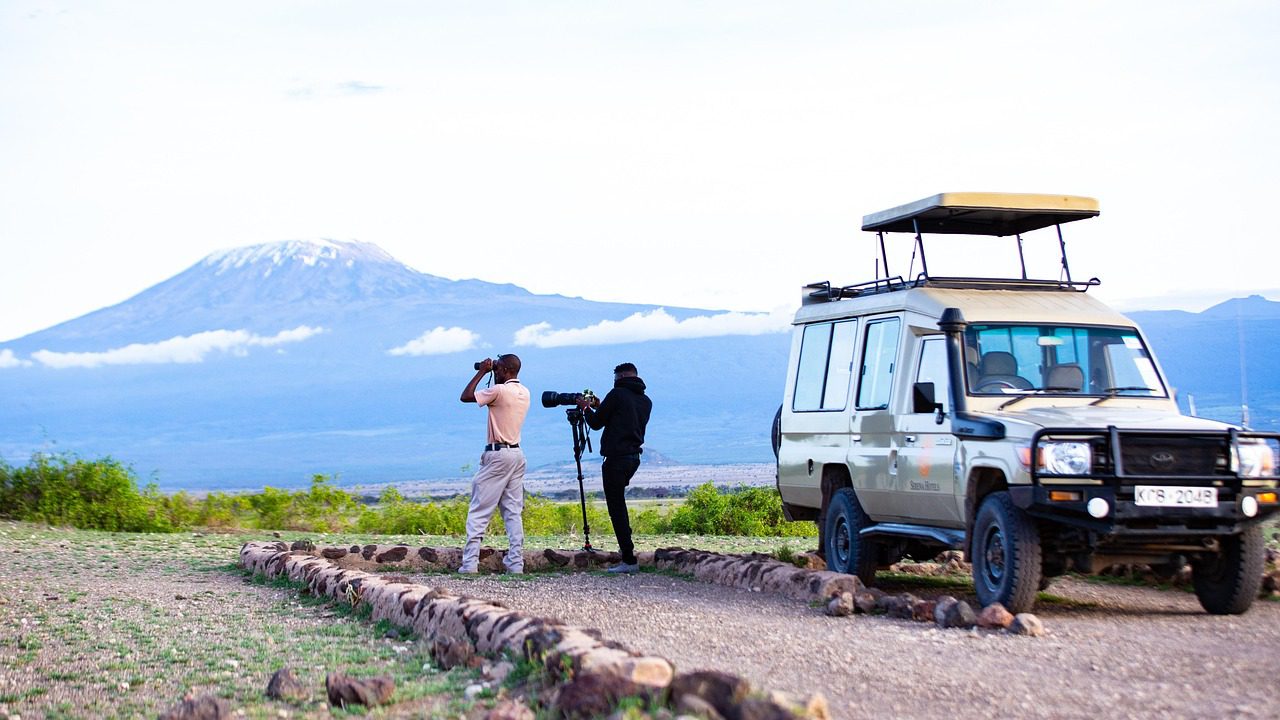
Capturing wildlife photographs is one of the most rewarding parts of a safari. Fortunately, great photos depend more on timing and positioning than expensive equipment.
Best Time for Photos
Early morning and late afternoon offer the best lighting conditions.
The soft golden light during these hours creates dramatic images and improves animal visibility.
Budget Camera Gear
Professional equipment can be expensive, but it is not essential.
Affordable options include:
- Entry-level DSLR cameras
- Mirrorless cameras with zoom lenses
- Bridge cameras with long optical zoom
Even budget cameras can produce excellent results when used correctly.
Smartphone Safari Photography
Modern smartphones are surprisingly capable.
For better results:
- Use natural light
- Avoid digital zoom
- Keep your phone steady
Additionally, burst mode helps capture moving animals.
Positioning in the Safari Vehicle
Your seat position matters more than camera price.
Try to sit near the vehicle edges or corners for unobstructed views. Communicate with your guide if you need a different angle.
Guides are often happy to reposition the vehicle for better photos.
How to Choose a Reliable Budget Safari Operator
Selecting a trustworthy safari operator is one of the most important decisions when planning your trip.
A reliable company ensures safety, knowledgeable guides, and fair pricing.
When researching operators, check the following factors.
Registration and Licensing
Reputable companies operate under regulations set by the Kenya Wildlife Service.
This ensures compliance with park rules and conservation standards.
Online Reviews
Read recent customer reviews on safari booking platforms. Pay attention to comments about guide knowledge, vehicle quality, and communication.
Safety Standards
Reliable companies maintain well-serviced vehicles and provide experienced guides.
Never compromise safety for a lower price.
Guide Experience
A knowledgeable guide dramatically improves your safari. Skilled guides know animal behavior and can locate wildlife more easily.
Hidden Fees
Always confirm what the price includes.
Some quotes exclude park fees, tips, or accommodation taxes.
Clarifying this in advance prevents unpleasant surprises.
Safety Tips for Budget Safari Travelers
Safaris are generally very safe when visitors follow basic rules and listen to professional guides.
However, wildlife areas require respect and caution.
Important safety tips include:
- Always remain inside the safari vehicle
- Follow your guide’s instructions
- Never approach or feed wild animals
- Keep noise levels low during game drives
- Avoid walking alone in wildlife areas
In addition, always travel with licensed safari operators.
Responsible Travel on a Budget Kenya Safari
Responsible tourism helps protect wildlife and support local communities.
Even budget travelers can contribute to conservation efforts.
Ways to travel responsibly include:
- Keeping a respectful distance from animals
- Avoiding litter and reducing plastic waste
- Supporting locally owned safari camps
- Respecting cultural traditions of local communities
- Choosing eco-friendly accommodation when possible
Responsible travel ensures that Kenya’s wildlife remains protected for future generations.
Best Budget Safari Destinations Near Nairobi
Travelers with limited time can still enjoy wildlife adventures close to the capital city.
Several excellent destinations lie within a few hours of Nairobi.
Nairobi National Park
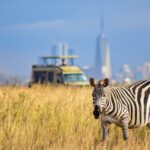
Located only minutes from the city center, Nairobi National Park offers impressive wildlife viewing with a skyline backdrop.
Visitors often spot lions, giraffes, rhinos, and buffalo.
Lake Naivasha
Lake Naivasha is known for its scenic beauty and abundant birdlife.
Boat safaris provide close views of hippos and fish eagles.
Hell’s Gate National Park
Hell’s Gate offers a unique safari experience where visitors can cycle or walk through dramatic landscapes.
The park is also popular for rock climbing and geothermal scenery.
Mount Longonot National Park
Mount Longonot is ideal for hikers seeking adventure.
Climbing the dormant volcano rewards visitors with spectacular views across the Great Rift Valley.
Understanding Kenya Safari Park Fees
Park entry fees are one of the biggest fixed costs on any safari. Unlike accommodation or transport, these fees are set by park authorities and apply to every visitor. Therefore, understanding how they work helps travelers plan a realistic safari budget.
Most national parks and reserves in Kenya are managed either by the Kenya Wildlife Service or by county governments. Fees vary depending on the location, the season, and whether the park is classified as a national park or national reserve.
In many cases, popular destinations charge higher fees due to their wildlife density and international demand.
Typical Park Fee Ranges
Here are approximate daily entry fees for non-resident visitors:
| Park | Estimated Daily Fee |
| Masai Mara National Reserve | $100–200 |
| Amboseli National Park | $60–80 |
| Lake Nakuru National Park | $60–80 |
| Tsavo East / Tsavo West | $50–70 |
| Nairobi National Park | $40–60 |
These fees normally cover a 24-hour entry period, which means travelers often enter the park shortly before the first game drive begins.
Tips for Managing Park Costs
Although park fees cannot be avoided, you can reduce their impact on your overall safari budget.
Helpful strategies include:
- Choosing parks with lower entry fees
- Visiting fewer parks but spending more time in each
- Joining group safaris that bundle park fees into package prices
- Planning shorter safaris if your budget is limited
For example, a three-day safari in one park can sometimes cost less than visiting three parks in the same time frame.
Despite the cost, park fees play a crucial role in wildlife conservation. They support anti-poaching efforts, ranger salaries, habitat protection, and tourism infrastructure.
As a result, every visitor directly contributes to protecting Kenya’s incredible wildlife.
Why Group Safaris Are the Best Budget Option
For travelers looking to reduce safari expenses, joining a group tour is often the smartest choice.
A group safari means sharing the vehicle, guide, and fuel costs with other travelers. Because these expenses are split between several people, the price per person becomes significantly lower.
Most safari vehicles carry six to seven passengers, which creates an ideal balance between affordability and comfort.
Advantages of Group Safaris
Group safaris provide several benefits beyond cost savings.
First, they dramatically reduce transport expenses. A private safari vehicle can cost hundreds of dollars per day. When that same vehicle is shared, the price drops substantially.
Second, group tours usually include packaged services such as:
- Park entry fees
- Accommodation
- Meals
- Professional guides
This simplifies planning and helps travelers avoid unexpected expenses.
Third, group safaris create a social atmosphere. Many travelers enjoy sharing wildlife sightings and stories with fellow adventurers from around the world.
When a Private Safari Might Be Better
Although group safaris are budget-friendly, they are not ideal for everyone.
Private safaris may suit travelers who want:
- Flexible schedules
- Exclusive vehicles
- Personalized photography time
- Family privacy
However, for most budget-conscious travelers, group safaris provide the best balance between cost and experience.
Cultural Experiences to Add to Your Budget Safari
Although wildlife is the main reason travelers visit Kenya, cultural experiences can make the journey even more memorable.
Many safari regions are home to local communities whose traditions have shaped the landscapes surrounding national parks.
Adding cultural activities to your itinerary often costs very little and supports local economies.
Visiting Maasai Communities
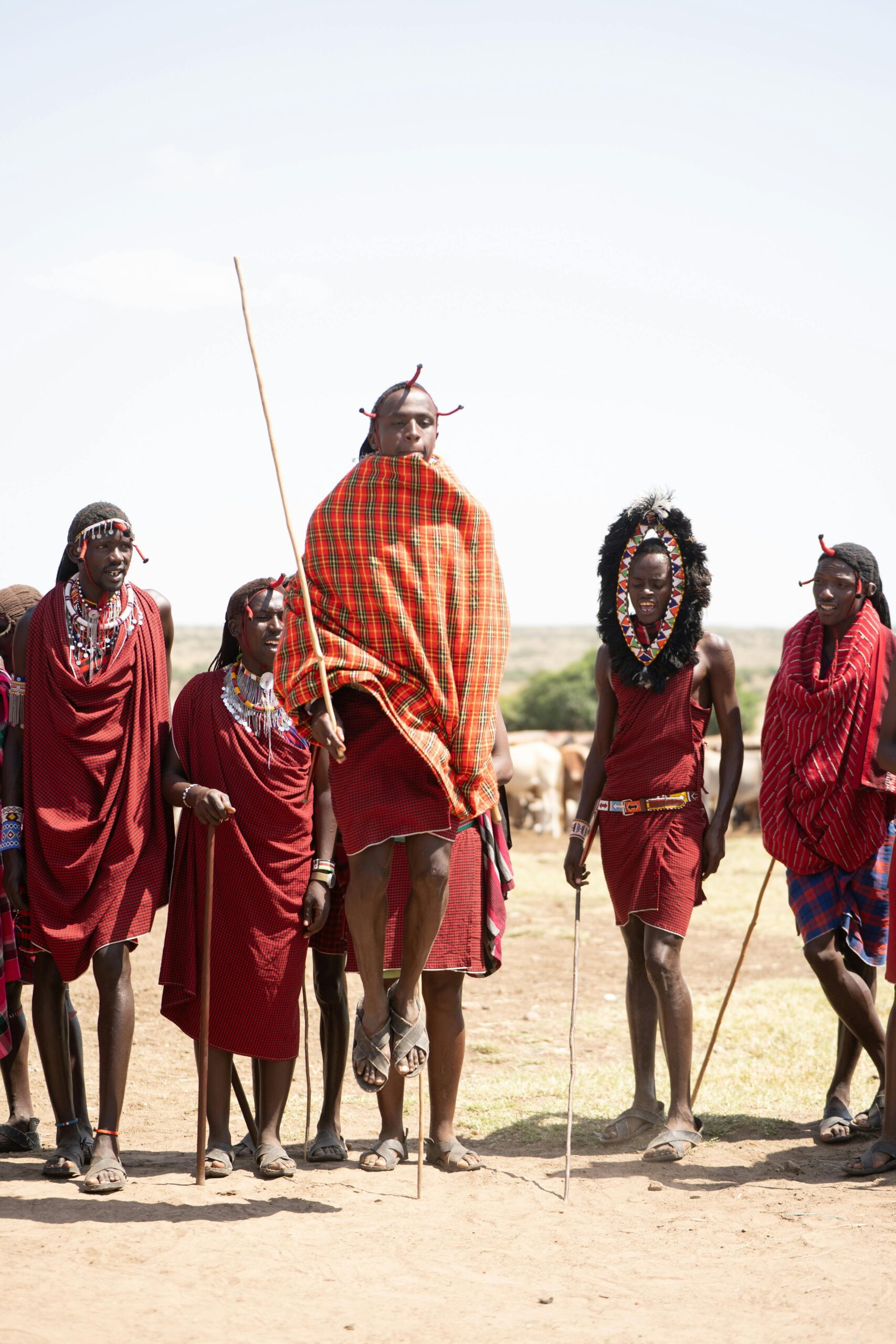
In areas near the Massai Mara National Reserve, travelers can visit traditional Maasai villages.
These visits provide insights into:
- Traditional housing structures
- Community lifestyle
- Warrior traditions
- Local crafts and beadwork
Visitors often learn about livestock herding, traditional clothing, and the cultural importance of cattle.
Importantly, these visits help support community development projects.
Local Markets and Food
Another affordable cultural experience is visiting local markets in towns near safari parks.
Markets offer opportunities to:
- Try traditional Kenyan foods
- Buy handmade crafts
- Interact with local residents
Popular dishes include nyama choma, chapati, and sukuma wiki.
These meals are not only delicious but also far cheaper than lodge restaurants.
Community Tourism Projects
Some safari camps partner with community initiatives such as:
- Women’s craft cooperatives
- School support programs
- Conservation education projects
Participating in these activities allows travelers to see how tourism directly benefits local communities.
As a result, your safari becomes more meaningful while still staying within budget.
Internal Resources
For deeper planning, explore:
- Best Time to Visit Kenya for Safari
- How to Choose a Safari Company in Kenya
- Kenya beginner safari parks guide
Frequently Asked Questions
Is Kenya cheaper than Tanzania for safari?
In many cases, yes. Kenya offers more budget safari options, including group tours and campsites.
Can solo travelers do a budget safari?
Absolutely. Joining group safaris is a great way for solo travelers to reduce costs and meet other adventurers.
Are budget safari camps comfortable?
Yes. Most budget camps provide real beds, private bathrooms, and full meals.
Do budget safaris include park fees?
Often they do, but always confirm with your tour operator before booking.
Can families do a budget safari?
Yes. Many safari camps welcome families and offer family tents or rooms.
Is a Kenya safari expensive?
Not necessarily. With group safaris and budget camps, you can experience wildlife for under $200 per day.
Can I see the Big Five on a budget?
Yes. Masai Mara and Lake Nakuru offer excellent chances.
How many days do I need?
Ideally 5–7 days for multiple parks.
Are budget safaris crowded?
Sometimes in peak season. Low season offers quieter parks.
Is self-driving cheaper?
Occasionally. However, vehicle hire, fuel, and park fees often cancel savings.
Final Thoughts: Affordable Safari Dreams Are Real
A safari doesn’t have to be luxury-only.
With careful planning, smart timing, and flexible travel choices, this budget Kenya safari guide proves you can enjoy world-class wildlife without breaking the bank.
Kenya rewards travelers who plan ahead.
And most importantly, memories last far longer than money.