Planning a safari can feel overwhelming. However, choosing the best time for a Kenya safari makes everything easier — from wildlife sightings to your overall budget.
Some travelers want to witness the Great Migration. Others prefer quiet parks, fewer crowds, or lower prices. Fortunately, Kenya delivers unforgettable safari experiences all year round. Still, weather patterns, animal movements, and seasonal pricing can dramatically change what you see and how much you spend.
That’s why timing matters.
In this detailed month-by-month guide, you’ll discover:
- When wildlife viewing is at its peak
- Which months offer the best value
- How rainfall affects game drives
- When to see the Great Migration
- What to expect in every season
As a result, you’ll be able to choose the perfect travel window for your Kenya safari with confidence.
Why Timing Matters for a Kenya Safari
Kenya lies on the equator, so temperatures remain fairly consistent year-round. However, rainfall patterns dramatically influence wildlife movement, road conditions, and safari pricing.
In general:
- Dry months mean better wildlife visibility
- Wet months bring greener scenery and lower prices
- Migration season attracts more visitors
- Shoulder months balance cost and crowd levels
As a result, the “best” month depends entirely on your goals.
For example, parks such as Maasai Mara National Reserve, Amboseli National Park, and Tsavo National Park feel completely different depending on rainfall and wildlife concentration.
Kenya Safari Seasons Explained
Kenya has two dry seasons and two rainy seasons. Understanding them is essential.
Dry Season (June–October + January–February)
This period is widely considered the best time for Kenya safari.
During these months:
- Animals gather around rivers and waterholes
- Grass remains short, improving visibility
- Roads stay in good condition
- Skies are mostly clear
Therefore, wildlife spotting becomes easier and more predictable.
However, prices rise, especially from July to September.
Green Season (March–May + November)
These months bring rainfall and fewer tourists.
Although wildlife spreads out, you benefit from:
- Lower lodge rates
- Dramatic green landscapes
- Excellent birdwatching
- Peaceful parks
As a result, photographers and budget travelers often prefer this season.
Month-by-Month Guide to the Best Time for Kenya Safari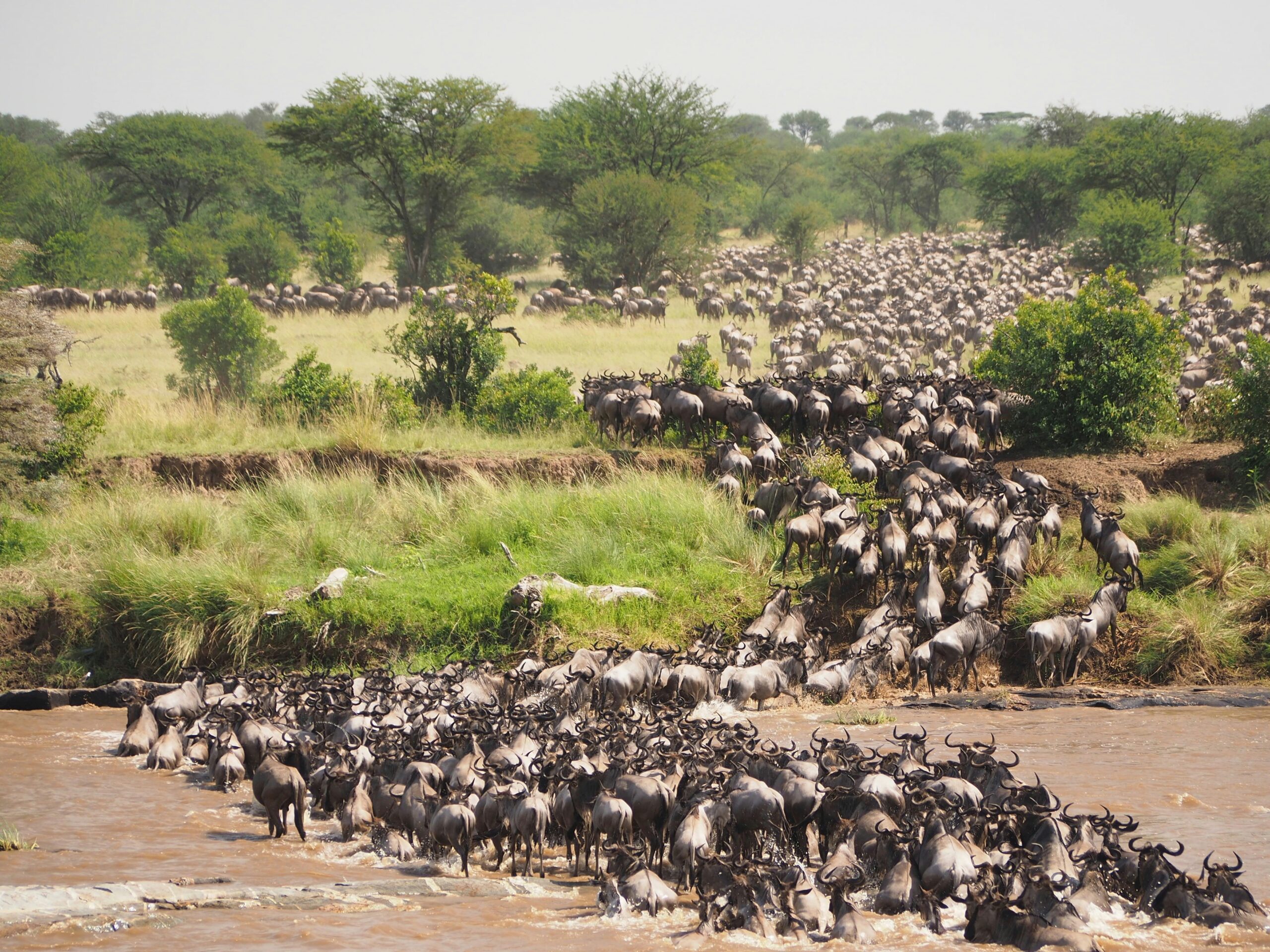
January – Short Dry Season & Calving Begins
January falls within the short dry season. The landscape remains green from recent rains, yet wildlife begins concentrating near water sources.
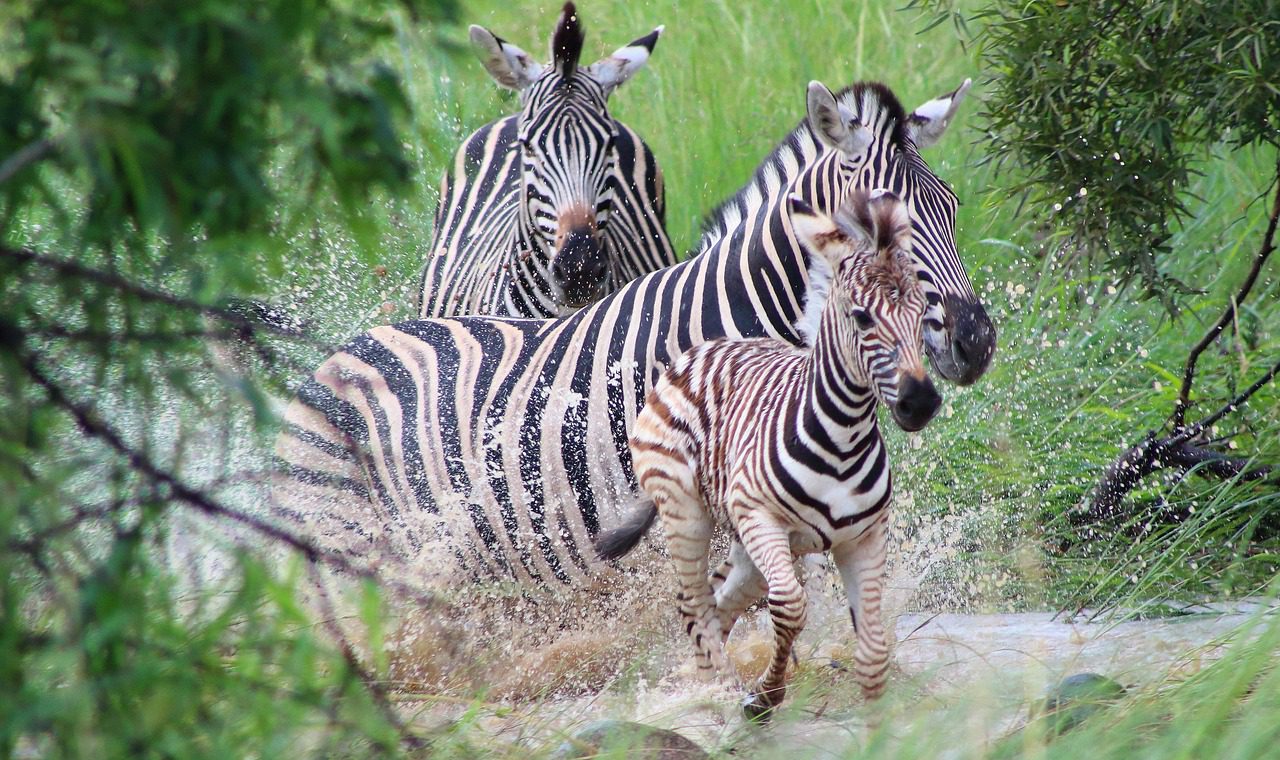
In addition, calving season starts for wildebeest and zebras. This attracts predators such as lions and cheetahs.
Why visit in January:
- Excellent predator activity
- Fewer crowds than peak months
- Beautiful photography light
Therefore, January offers strong wildlife viewing without peak pricing.
February – Outstanding Game Viewing
February is hot and dry, but not yet dusty.
Wildlife remains highly visible, especially in the Mara ecosystem. In addition, migratory birds from Europe and Asia are still present.
Parks like Samburu National Reserve also shine because animals cluster around limited water.
As a result, February balances weather, wildlife density, and moderate visitor numbers.
March – Transition to the Long Rains
Early March often remains dry. However, the long rains usually begin later in the month.
Rain typically falls in afternoon bursts. Therefore, morning game drives still perform well.
Prices begin to drop, and visitor numbers decline. Consequently, early March can be an underrated time to travel.
April – Peak of the Long Rains (Lowest Prices)
April is the wettest month in Kenya.
Some lodges close due to muddy roads. However, the scenery becomes incredibly lush.
Birdlife explodes around lakes such as Lake Nakuru National Park.
Best for:
- Budget travelers
- Birdwatchers
- Photographers
As a result, April offers dramatic scenery at significantly reduced prices.
May – Green Season Value
Rain continues in May, though it gradually tapers off.
Wildlife spreads across the plains because water is abundant. Therefore, sightings require more patience.
However, many lodges offer deep discounts. In addition, parks feel almost private.
May provides one of the strongest value months on the safari calendar.
June – Dry Season Returns
June marks the shift back to dry conditions.
Vegetation begins thinning, and animals gather near permanent water.
In addition, the first movements of the Great Migration approach Kenya from Tanzania’s Serengeti National Park.
As a result, June offers excellent wildlife before peak prices surge.
July – Migration Season Begins
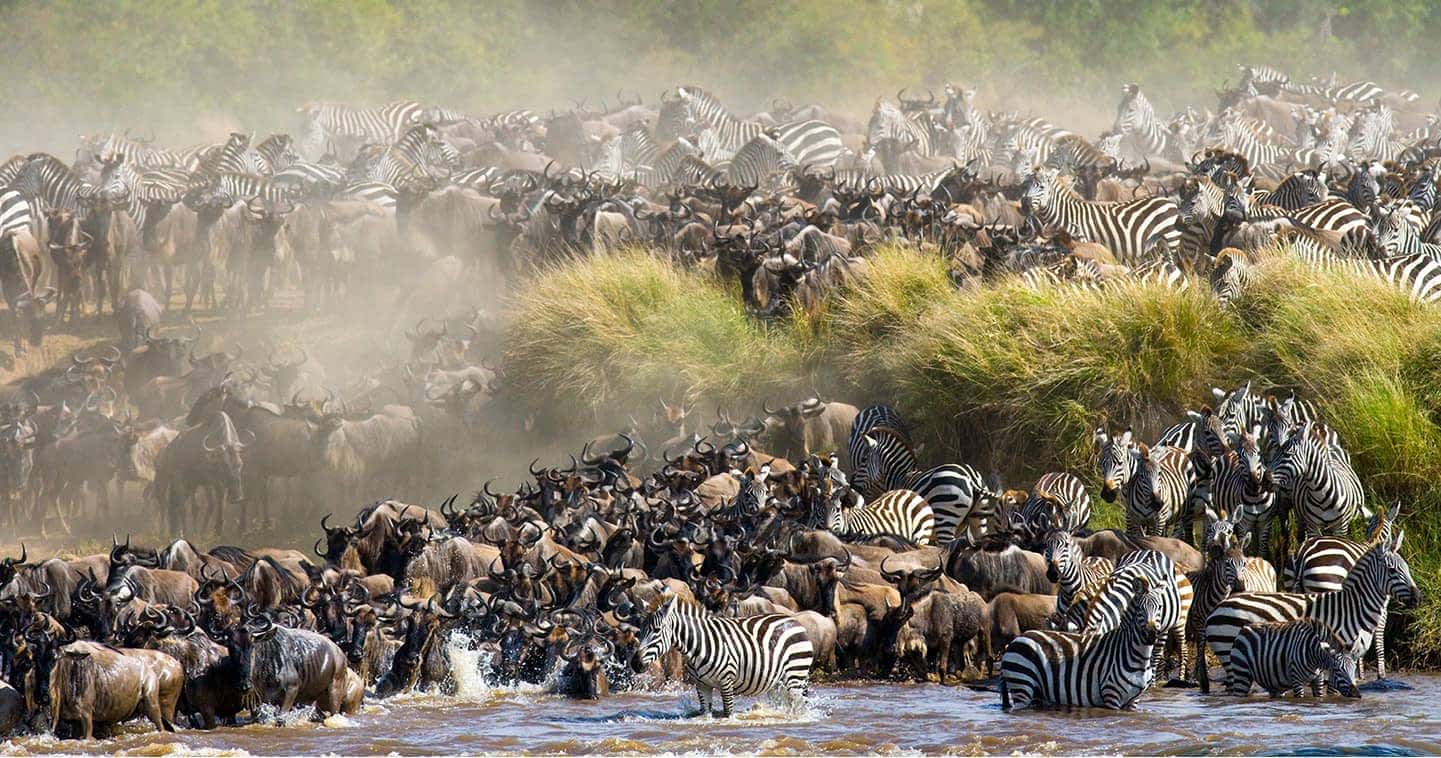
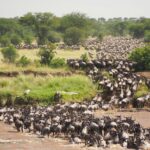
July signals the arrival of the Great Migration in the Maasai Mara.
Massive herds of wildebeest and zebras cross the Mara River. Crocodiles wait below. Predators stalk nearby.
Because of this spectacle, July becomes peak safari season.
Expect:
- High wildlife density
- Busy lodges
- Premium pricing
Booking 6–9 months in advance is strongly recommended.
August – Prime Migration Drama
August often delivers the most dramatic river crossings.
Weather remains dry and cool. Wildlife density peaks.
However, this is the busiest month of the year.
For first-time safari travelers, August provides classic Africa scenes. Nevertheless, early booking is essential.
September – Excellent but Slightly Quieter
Conditions mirror August, yet crowds thin slightly.
The migration remains in the Mara. Meanwhile, parks such as Amboseli and Tsavo offer superb elephant sightings.
Therefore, September offers top wildlife with marginally better space.
October – End of Dry Season
October marks the final stretch of the long dry season.
Animals remain concentrated. Vegetation is sparse.
However, temperatures rise and dust increases.
The migration gradually moves south again. Still, wildlife viewing stays excellent.
November – Short Rains & Shoulder Season
November brings short afternoon showers.
Unlike April, rains are brief. Therefore, mornings remain productive for game drives.
Landscapes quickly turn green again.
Prices fall. Crowds disappear.
As a result, November is ideal for travelers who want a balance between cost and scenery.
December – Festive Safari Season
Early December remains relatively calm. However, Christmas and New Year bring a surge in visitors.
Wildlife remains active. Some calving begins again.
Many travelers combine safari with Kenya’s coast for beach relaxation.
If traveling during holidays, book well in advance.
Best Time for Kenya Safari by Interest
For the Great Migration
Visit July through September.
The Mara ecosystem offers dramatic river crossings and predator interactions.
Learn more about migration science from the World Wildlife Fund
For Big Cats
Choose January–February or July–October.
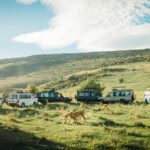
Dry conditions concentrate prey, increasing lion and cheetah sightings.
For Budget Travelers
Target April, May, or November.
Lodges can discount up to 40%.
For First-Time Safari Travelers
June through September provides reliable weather and strong wildlife density.
For official park information, check Kenya Wildlife Service
For Birdwatchers
November through April brings migratory species.
Lakes in the Rift Valley shine during this time.
Weather Overview
- Daytime: 20°C–30°C
- Evenings: Cooler at higher elevations
- Coast: Humid year-round
Rainfall, not temperature, determines safari conditions.
For climate data, refer to the World Meteorological Organization
Safari Packing Essentials by Season
Dry Season
- Light layers
- Sunglasses
- Dust scarf
- Binoculars
Green Season
- Waterproof jacket
- Quick-dry clothing
- Insect repellent
- Waterproof bag
In addition, always carry sunscreen.
For a detailed checklist, see our guide:
👉 /two-week-vacation-packing-list
👉 /how-to-choose-a-safari-company-in-kenya
Frequently Asked Questions About the Best Time to Visit Kenya for Safari
Is there a bad time to visit Kenya for safari?
No. Every month offers wildlife experiences.
However, April usually has the heaviest rainfall. As a result, some roads become muddy, and a few lodges close temporarily. That said, animals are still present, and prices drop significantly.
What is the cheapest month to go on safari in Kenya?
April is typically the cheapest month.
Because it falls during the long rainy season, many safari camps offer deep discounts. Therefore, budget travelers often choose this period despite occasional showers.
When is the Great Migration in Kenya?
The Great Migration usually reaches Kenya between July and October, especially in the Maasai Mara National Reserve.
During this time, massive herds cross into Kenya searching for fresh grass. As a result, visitors witness dramatic predator action and river crossings.
How many days do I need for a Kenya safari?
Ideally, plan 5–10 days.
This allows visits to multiple parks, relaxed game drives, and enough time to enjoy each destination without rushing.
Is Kenya safe for tourists?
Yes — especially when traveling with licensed safari operators.
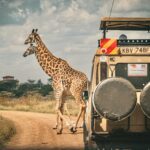
Most safari routes and national parks are well managed. In addition, professional guides ensure safety during game drives and transfers.
Is it worth visiting Kenya during the rainy season?
Yes, especially if you want lower prices and fewer tourists.
Although rain can affect road conditions, wildlife is still visible. In addition, landscapes turn lush green, and birdlife becomes excellent.
What month is best for photography safaris?
January, February, and September are excellent for photography.
These months offer softer light, clearer skies, and active wildlife. Therefore, photographers enjoy both strong visibility and quieter parks.
When is Kenya least crowded for safaris?
April, May, and November see the fewest visitors.
As a result, these months suit travelers who prefer peaceful game drives and uncrowded lodges.
Can I see the Big Five all year round?
Yes.
Lions, elephants, buffalo, leopards, and rhinos live in Kenya year-round. However, sightings improve during dry months because animals gather near rivers and waterholes.
Is December a good time for a Kenya safari?
Yes, especially early December.
Wildlife viewing remains strong, and rainfall is limited. However, late December becomes busy due to holiday travel, so booking early is important.
How far in advance should I book my safari?
For peak season (July–September), book 6–9 months ahead.
For low or shoulder seasons, 2–3 months is often enough. Still, popular lodges fill quickly, so earlier planning always helps.
What is the best month for family safaris?
August and September work very well for families.
Weather stays dry, animals are easy to spot, and school holidays make travel planning simpler.
Can I combine safari and beach in one trip?
Absolutely.
Many travelers visit parks like Amboseli National Park or Tsavo National Park first, then continue to Kenya’s Indian Ocean coast.
As a result, you enjoy both adventure and relaxation in one journey.
Do safari prices change by season?
Yes — prices vary throughout the year:
- High season (July–October): highest prices
- Shoulder season (January, February, June): moderate prices
- Low season (April, May, November): lowest prices
Therefore, timing directly affects your overall safari budget.
Is Kenya suitable for first-time safari travelers?
Definitely.
Kenya has excellent safari infrastructure, experienced guides, and diverse wildlife. As a result, it remains one of Africa’s easiest and most rewarding safari destinations for beginners.
Final Thoughts: Choosing Your Ideal Safari Month
The best time for Kenya safari depends entirely on your priorities.
- For peak migration: July–September
- For value and fewer crowds: April, May, November
- For balance: January, February, October
No matter when you travel, Kenya delivers unforgettable wildlife, diverse landscapes, and world-class safari experiences.
Plan carefully. Book strategically. And most importantly, travel with realistic expectations.
Your perfect safari month is waiting.