First-time safari travel mistakes are more common than most travelers expect. Planning an African safari feels exciting. However, it can also feel overwhelming. Between choosing the right park, packing properly, budgeting accurately, and managing expectations, beginners often make small errors that reduce comfort and wildlife sightings.
Fortunately, these mistakes are easy to avoid with the right guidance. In this comprehensive guide, you’ll learn the most common first-time safari errors, why they happen, and exactly how to prevent them. Whether you’re traveling to Kenya, Tanzania, South Africa, or Botswana, this article will help you plan smarter and travel confidently.
Choosing the Wrong Season for Wildlife Viewing
One of the biggest first-time safari travel mistakes involves poor timing.
Many travelers book based on vacation availability. However, wildlife behavior changes dramatically by season.
Why Season Matters
In East Africa, the dry season (typically June–October) concentrates animals around water sources. As a result, wildlife becomes easier to spot. Conversely, rainy months create lush landscapes but disperse animals.
For example:
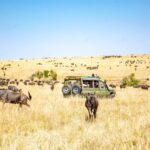
- The Great Migration peaks mid-year in Maasai Mara National Reserve.
- River crossings occur between July and September.
- Calving season happens early in the year in Serengeti National Park.
Therefore, align your safari dates with your wildlife goals.
How to Avoid This Mistake
- Research migration calendars.
- Review rainfall patterns.
- Match expectations to seasonal realities.
For migration timing updates, consult reputable conservation sources like the Kenya Wildlife Service.
Trying to Visit Too Many Parks in One Trip
Many beginners assume more parks equal more wildlife. However, the opposite is often true.
Travel distances between reserves can be long. For example, moving between Maasai Mara and Serengeti involves border crossings or flights.
The Problem with Overloaded Itineraries
- Long road transfers
- Frequent packing and unpacking
- Reduced game-drive time
- Travel fatigue
As a result, you spend more time in transit than observing animals.
Smarter Strategy
Instead:
- Choose one or two parks for a 5–7 day safari.
- Stay at least two nights per location.
- Prioritize depth over variety.
This approach increases sightings and reduces exhaustion.
Booking the Cheapest Safari Package Without Research
Budget matters. However, ultra-cheap safaris often cut critical corners.
Hidden Downsides
Some low-cost packages include:
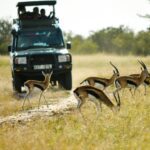
- Overcrowded vehicles (7–8 guests)
- Shortened game drives
- Inexperienced guides
- Hidden park fees
Consequently, wildlife quality suffers.
What to Check Before Booking
Ask:
- How many guests per vehicle?
- Are park fees included?
- How many game-drive hours daily?
- Are guides certified?
For safety standards in safari tourism, refer to official park authorities such as Kenya Wildlife Service.
Spending slightly more typically improves the experience significantly.
Underestimating the True Cost of a Safari
First-time safari travel mistakes often involve budgeting errors.
Many travelers focus only on the package price. However, additional costs add up quickly.
Expenses People Forget
- Guide and staff tips
- Visa fees
- Travel insurance
- Drinks and extras
- Airport transfers
- Conservation levies
Therefore, set aside 15–25% above the quoted price.
This buffer reduces stress and protects your flexibility.
Ignoring Travel Insurance
Skipping travel insurance is risky.
Safari destinations are remote. Medical evacuation can cost thousands of dollars.
Why Insurance Is Essential
A strong policy should cover:
- Emergency evacuation
- Medical treatment
- Trip cancellations
- Delayed flights
- Lost baggage
For coverage comparisons, consult established insurers or travel resources such as the CDC travel guidance page.
Never travel without comprehensive coverage.
Packing Incorrect Clothing and Gear
Packing mistakes rank among the most frequent first-time safari travel mistakes.
Clothing Errors
Avoid:
- Bright colors
- Blue and black (attract tsetse flies)
- Heavy fabrics
- Hard-shell luggage
Instead, pack:
- Neutral tones (khaki, beige, olive)
- Lightweight breathable layers
- Closed walking shoes
- Soft-sided duffel bags
Small bush planes often restrict luggage to 15–20 kg.
Essential Gear
Do not forget:
- Binoculars (arguably more important than a camera)
- Wide-brim hat
- Sunscreen (SPF 30+)
- Insect repellent
Most lodges provide laundry services. Therefore, pack fewer clothes.
Expecting Zoo-Like Wildlife Encounters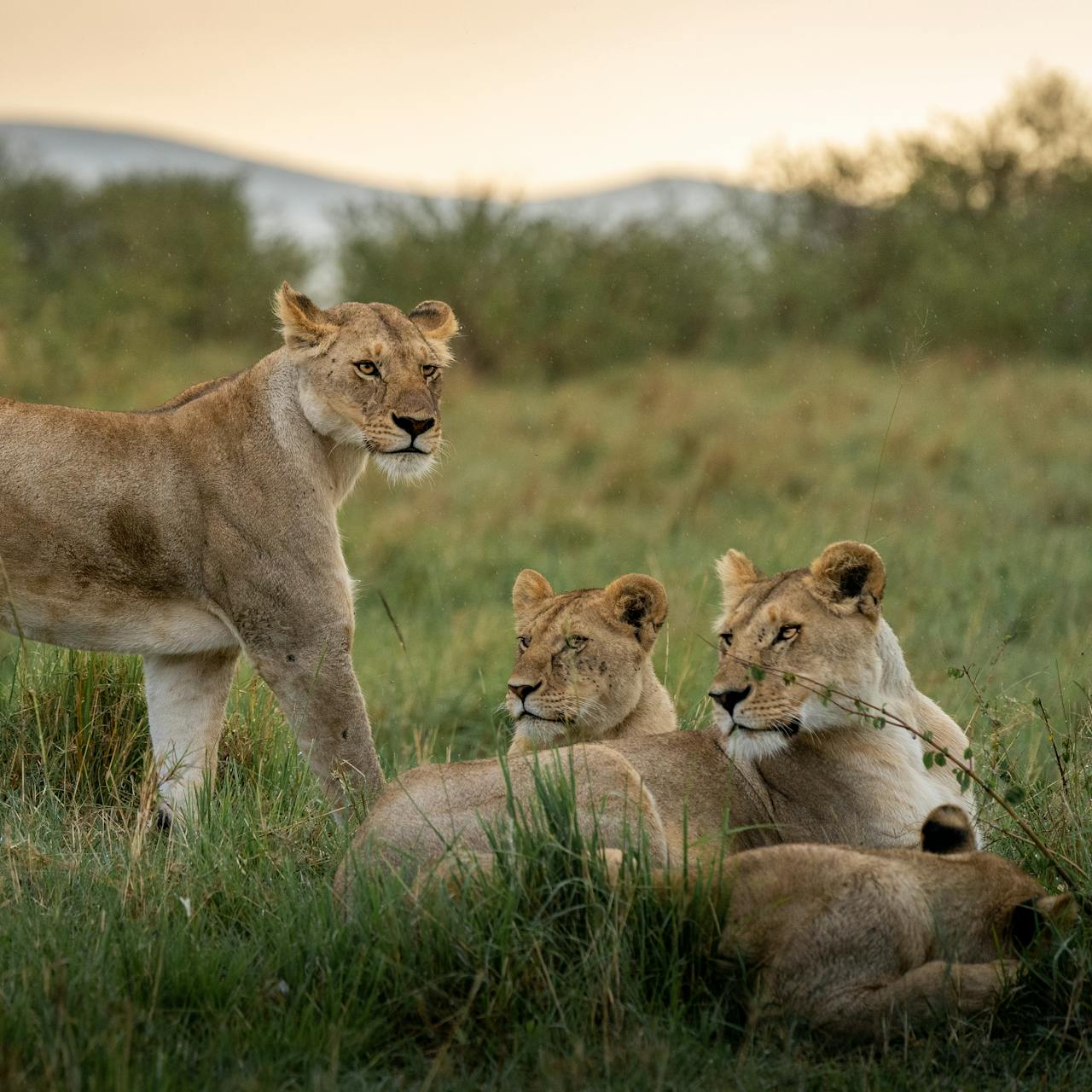
Wild animals are not staged.
However, some first-time safari travelers expect constant sightings.
Reality Check
You may search for lions for hours. Then suddenly, elephants appear near your vehicle.
Wildlife moves freely. Therefore, patience matters.
Treat sightings as privileges, not guarantees.
Not Listening to Your Guide
Your guide is your most valuable asset.
Professional safari guides undergo rigorous training. They read subtle animal behavior cues.
Ignoring instructions creates risk.
Common Dangerous Behaviors
- Standing in the vehicle
- Leaving seats without permission
- Making loud noises
- Attempting to touch wildlife
Always follow guide instructions. Safety depends on it.
Being Noisy During Game Drives
Game drives require quiet observation.
Loud conversations and phone alerts scare animals.
In addition, they disturb other guests.
Silence increases wildlife encounters. Therefore, remain patient and observant.
Focusing Too Much on Cameras
Many travelers experience the “camera trap.”
They spend the entire safari looking through a lens.
Better Approach
- Capture moments.
- Then lower the camera.
- Observe with your own eyes.
Additionally, practice with your equipment before departure. Safari is not the time to read manuals.
Flying Directly into the Bush After Long Flights
Long-haul flights cause fatigue.
Jumping immediately onto a bush plane compounds exhaustion.
Smarter Plan
Spend one night in a gateway city such as:
- Nairobi
- Johannesburg
- Cape Town
Rest first. Then begin your safari refreshed.
Ignoring Health Precautions
Consult a travel clinic 4–6 weeks before departure.
Vaccinations may include:
- Yellow Fever
- Hepatitis A
- Typhoid
Malaria prevention is also important in many regions.
Visit official health authorities such as the World Health Organization for updated recommendations.
Booking Too Late
Peak safari lodges fill quickly.
For example, migration season in Maasai Mara often books 6–12 months in advance.
Last-minute bookings limit your options and raise prices.
Plan early. Secure prime camps first.
Not Asking Detailed Questions Before Booking
Assumptions cause disappointment.
Always clarify:
- Daily game-drive duration
- Vehicle occupancy
- Water and meals included?
- Park fees covered?
- Transfer logistics
Clear answers prevent misunderstandings.
Misunderstanding Tipping Etiquette
Tipping is customary.
Typical guidelines:
- Guide: $10–20 per guest per day
- Camp staff: $5–10 per guest per day
Confirm whether tips go into a shared pool.
Carry small denomination cash.
How to Avoid First-Time Safari Travel Mistakes Completely
Follow this checklist:
- Choose fewer destinations
- Travel in peak wildlife season
- Book reputable operators
- Budget 20% extra
- Pack light and neutral
- Bring binoculars
- Purchase travel insurance
- Respect wildlife and guides
- Rest before game drives
- Stay patient and present
Frequently Asked Questions
What are the most common first-time safari travel mistakes?
The most common first-time safari travel mistakes include poor planning, unrealistic expectations, and packing the wrong gear. Many travelers try to visit too many parks in a short time, which results in long travel days and less wildlife viewing. Others book the cheapest safari without checking what is included, which can lead to crowded vehicles or inexperienced guides.
Another frequent mistake involves packing bright clothing or heavy luggage. Neutral colors like khaki, olive, and beige work best for safaris because they blend into the environment and avoid attracting insects.
Finally, some travelers forget essentials like binoculars, insect repellent, sunscreen, and travel insurance. Proper preparation helps avoid these mistakes and ensures a smoother safari experience.
How many days should a first African safari last?
A first safari should ideally last 5 to 7 days. This length allows travelers to explore one or two national parks while still enjoying enough time for multiple game drives.
Shorter safaris often feel rushed because wildlife viewing takes patience. On the other hand, longer safaris allow travelers to see more animal behavior and different landscapes.
For example, many first-time visitors choose destinations like Maasai Mara National Reserve or Serengeti National Park for a week-long safari because both parks offer excellent wildlife density.
What should first-time safari travelers pack?
Packing smart is essential for a successful safari. First-time safari travelers should focus on lightweight, practical items rather than fashionable outfits.
Important safari packing items include:
- Neutral-colored clothing (khaki, beige, olive)
- Comfortable walking shoes
- Lightweight layers for morning and evening drives
- Wide-brim sun hat
- Sunglasses and sunscreen
- Insect repellent
- Binoculars
- Camera or smartphone
- Small backpack for day trips
Soft duffel bags are also recommended because many safari flights have strict luggage weight limits.
What colors should you avoid wearing on safari?
Bright colors should generally be avoided on safari. Colors like red, yellow, and white can make animals more cautious because they stand out in natural landscapes.
In addition, blue and black clothing can attract tsetse flies in some safari regions.
Instead, wear neutral earth tones such as:
- Khaki
- Beige
- Olive green
- Light brown
These colors help travelers blend into the environment and remain less noticeable to wildlife.
Is it safe to go on an African safari?
Yes, safaris are generally very safe when travelers follow the rules and listen to professional guides.
Safari guides are trained to understand animal behavior and maintain safe distances from wildlife. In addition, vehicles are designed to allow safe viewing without disturbing animals.
However, safety depends on following simple rules:
- Always remain seated in the vehicle
- Never attempt to touch animals
- Stay quiet during wildlife sightings
- Follow all guide instructions
By respecting these guidelines, millions of travelers safely enjoy safaris every year.
Do I need a professional camera for a safari?
No, a professional camera is not required to enjoy or capture safari moments. Many travelers take excellent wildlife photos using smartphones or compact cameras.
However, cameras with zoom lenses (200–400 mm) can capture closer wildlife shots from a safe distance. This is helpful because animals are often far from vehicles.
Even without professional equipment, binoculars allow travelers to observe animals in great detail and often enhance the overall safari experience.
When is the best time to go on an African safari?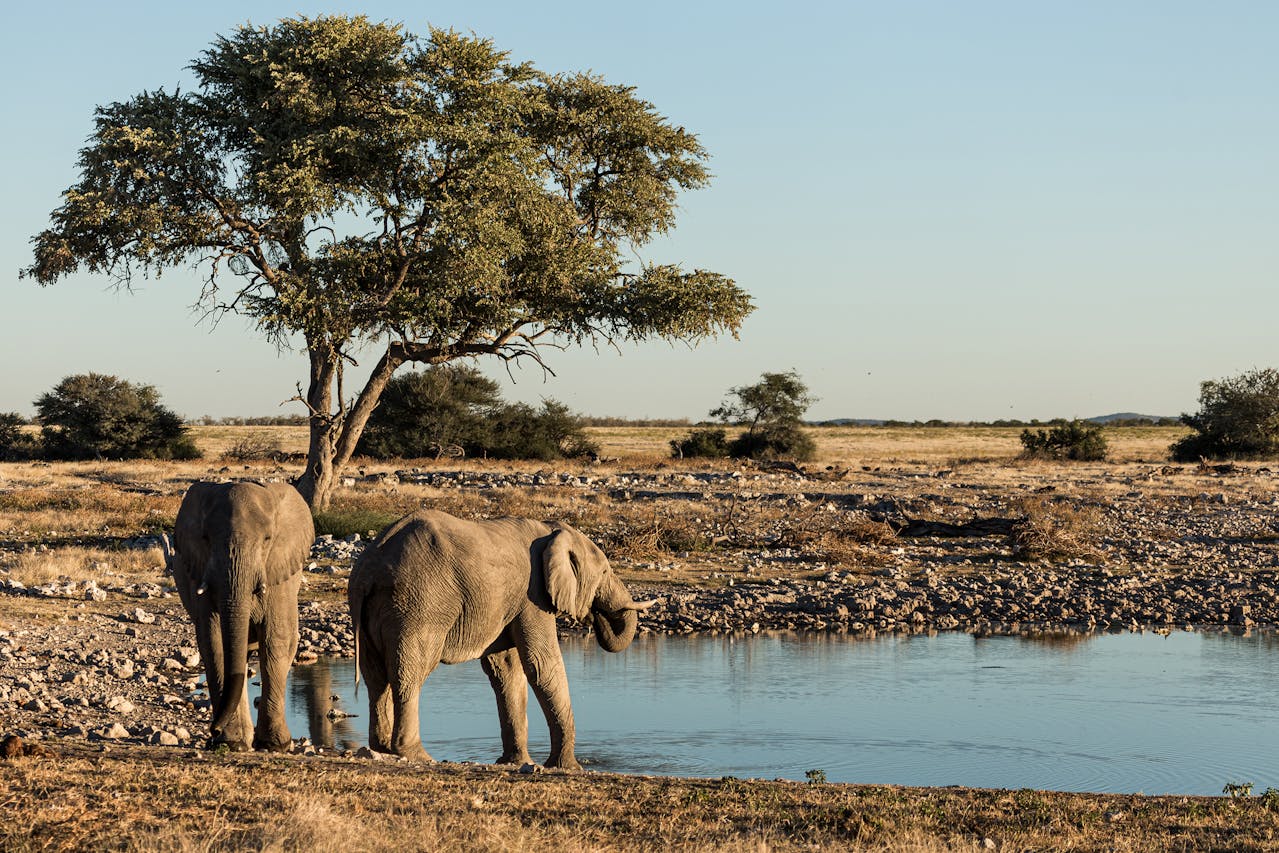
The best safari months depend on the region, but the dry season is generally best for wildlife viewing.
In East Africa, the prime safari months are typically June to October. During this period, animals gather near rivers and waterholes because water is scarce.
One of the most famous wildlife events also happens during this time: the Great Migration between Serengeti National Park and Maasai Mara National Reserve.
However, the green season (rainy months) also offers advantages such as fewer crowds, lower prices, and excellent birdwatching.
How much does an African safari cost?
Safari costs vary widely depending on the country, season, and level of accommodation.
Typical price ranges per person per day include:
|
Safari Type |
Estimated Cost |
|
Budget Safari |
$150 – $300 |
|
Mid-range Safari |
$350 – $700 |
|
Luxury Safari |
$800 – $2,000+ |
These prices usually include accommodation, meals, park fees, and game drives. However, travelers should also budget extra money for flights, visas, tips, and travel insurance.
Why do safari experts recommend staying in fewer parks?
Safari experts recommend staying longer in fewer parks because wildlife viewing improves with time. Animals move constantly, and sightings often require patience.
When travelers rush between many destinations, they lose valuable game-drive hours and spend more time traveling.
Therefore, spending two or three nights in each location increases the chances of seeing predators, large herds, and rare animal behaviors.
Should I book a safari through a tour operator?
For most first-time travelers, booking through a safari operator is the easiest and safest option.
Safari operators handle complex logistics such as:
- Park permits
- Accommodation reservations
- Transfers and flights
- Professional guides
- Emergency support
Experienced operators also understand wildlife seasons and park conditions. As a result, they help travelers choose the best destinations and maximize sightings.
Why are binoculars important on safari?
Binoculars are one of the most useful safari tools. Wildlife often appears far from vehicles, especially birds, leopards in trees, or animals across open plains.
With binoculars, travelers can observe:
- Animal behavior
- Bird species
- Predator hunts
- Distant herds
Many experienced safari guides even say binoculars are more useful than cameras for enjoying wildlife in real time.
What should first-time safari travelers expect?
First-time safari travelers should expect a mixture of excitement, patience, and unpredictable wildlife encounters.
Some days may include incredible sightings such as lions hunting or elephants crossing the road. Other days may involve long drives searching for animals.
However, the beauty of safari lies in the experience itself—watching landscapes, listening to nature, and observing animals behaving naturally in the wild.
Internal Resources for Further Planning
For more detailed planning support, explore:
- Safari Packing Checklist Guide (internal link)
- Best Safari Parks for First-Time Visitors (internal link)
- How Much Cash to Bring on Safari (internal link)
These guides expand on budgeting, park selection, and packing strategies.
Conclusion
First-time safari travel mistakes happen because safaris are unique. They involve logistics, wildlife behavior, remote environments, and cultural etiquette.
However, with preparation, patience, and realistic expectations, your first safari can become a transformative journey.
Plan carefully. Pack strategically. Listen to your guide. Stay present.
When lions roar at dusk and elephants cross golden plains, you will realize that the effort was worth it.
Avoid these common mistakes, and your safari will not just be a trip—it will be unforgettable.