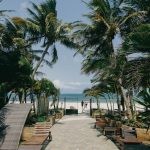
Mombasa is the kind of place that wins you over fast. One minute you are walking past carved Swahili doors in Old Town, and the next you are watching the Indian Ocean change color from turquoise to deep blue. This Mombasa coastal travel planning guide brings everything together in one place—when to go, where to stay, how to move around, what to do, what to eat, what to pack, and how to build an itinerary that feels relaxed instead of rushed.
Whether you are visiting as a couple, as a family, or solo, you can plan Mombasa in a way that balances history, beaches, and day trips—without wasting time or money.
Why Mombasa deserves a spot on your Kenya itinerary
Mombasa is Kenya’s second-largest city and its oldest major port. Because of that, it feels different from Nairobi in every way: warmer, slower-paced, and deeply coastal. The city has spent centuries as a crossroads of trade, so you see layers of Swahili, Arab, Indian, and European influence in its food, architecture, and daily life.
In addition, Mombasa is one of the easiest places in Kenya to mix “do something” days with “do nothing” days. You can snorkel a marine park in the morning, explore a 16th-century fort in the afternoon, and still have dinner by the water.
What makes it unique
- White-sand beaches close to the city
- Swahili heritage and living culture in Old Town
- Landmark history sites like Fort Jesus (UNESCO)
- Coral reefs and marine excursions offshore
- Simple add-ons to safari parks like Tsavo
Best time to visit Mombasa
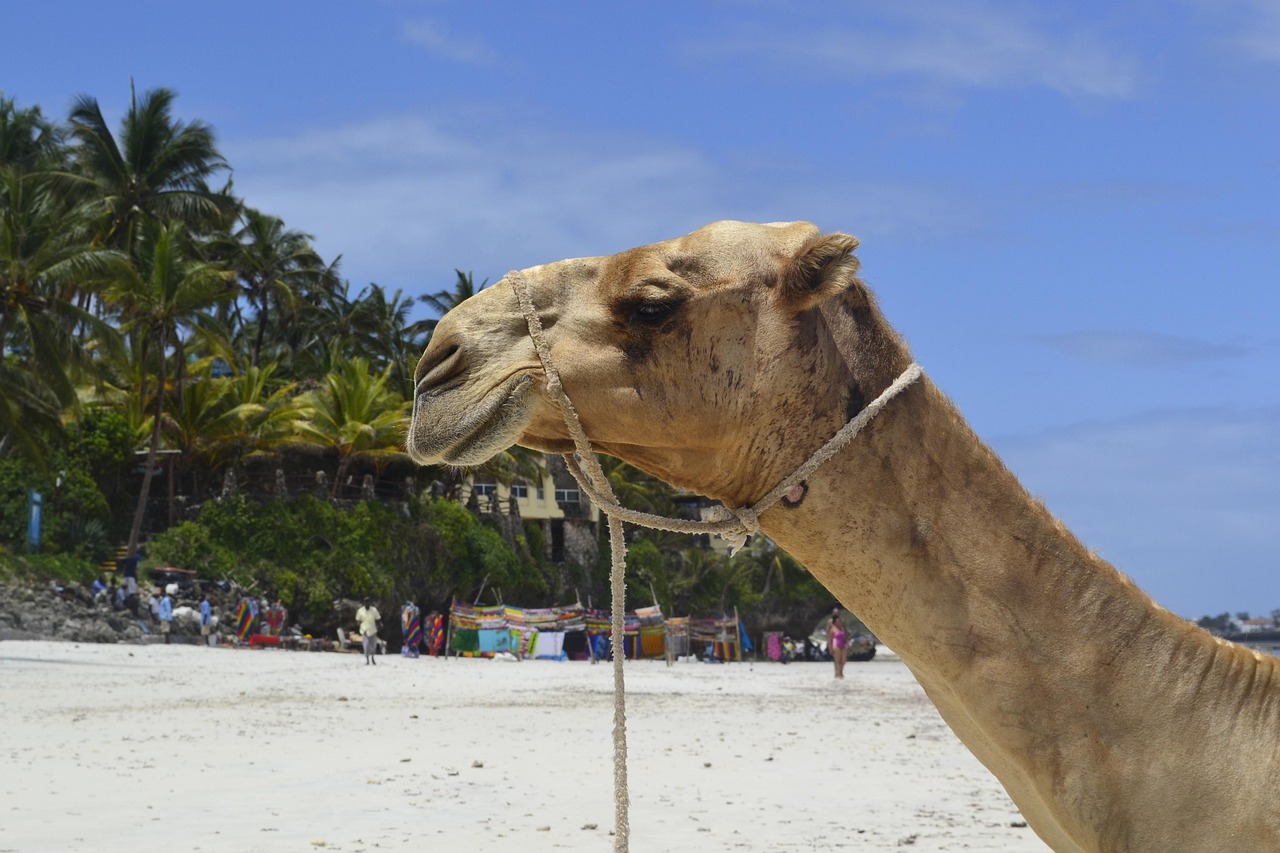
Mombasa stays warm year-round, so your “best” time depends on your priorities: sunshine, crowds, sea visibility, or discounts.
Dry season (December–March and July–October)
This is peak season for a reason. You get more reliable sunshine, and the ocean is often clearer for snorkeling. However, hotels fill quickly and prices rise—especially in December.
Best for
- Beach days and watersports
- Marine park trips and snorkeling
- First-time visitors who want predictable weather
Shoulder periods (often January–March and September–October)
These months can feel like the sweet spot. You still get plenty of good weather, but you often avoid the biggest holiday spikes. Therefore, you may find better value without giving up comfort.
Best for
- Couples and families who want balance
- Travelers who want good weather with fewer crowds
Green season (April–June and November)
This period brings the long rains (April–June) and short rains (often November). Even so, many days still have sunshine. As a result, it can be excellent value if you do not mind occasional showers.
Best for
- Budget travelers chasing deals
- Quieter beaches and less crowded attractions
- Lush scenery and softer light for photos
Entry requirements: visas and Kenya eTA
Kenya uses an online Electronic Travel Authorisation (eTA) system for travelers. You apply online before you travel, and you should do it early enough to avoid last-minute stress. Use the official government and eTA sites to confirm the latest requirements and exemptions.
Practical tip: Save a digital copy of your approval and keep a screenshot on your phone. In addition, keep printed backup if you prefer.
Health, safety, and travel confidence
Mombasa is generally welcoming to tourists, especially in popular areas such as Nyali, Bamburi, and well-known beach strips. However, smart habits make a big difference.
Health basics
- Talk to a travel clinic about recommended vaccines and malaria prevention for the coast.
- Use insect repellent, especially at dusk.
- Stick to bottled or properly filtered water, and be cautious with ice if you are unsure.
Everyday safety
- Keep phones and wallets secure in busy spots (markets and crowded streets).
- Use ride-hailing apps at night instead of random street taxis when possible.
- Avoid isolated beaches late at night, even in resort zones.
What to pack for the coast
Packing well makes your whole trip smoother. Because Mombasa is hot and humid, comfort matters.
Essentials you will actually use
- Light cotton or linen outfits
- Swimsuits and a quick-dry towel
- Reef-safe sunscreen, hat, and sunglasses
- Comfortable walking shoes for Old Town and Fort Jesus
- Insect repellent for evenings
- A light layer for air-conditioned transport or breezy nights
Dress expectations
Beachwear is fine on the sand. However, in Old Town, local neighborhoods, and around religious sites, modest clothing is respectful. For example, cover shoulders and knees when you are near religious sites.
Important note on plastic bags
Kenya restricts plastic carrier bags, and official agencies warn that it is illegal to use, import, or manufacture them. Pack a reusable cloth bag instead.
Money in Mombasa: cash, cards, and mobile payments
The local currency is the Kenyan Shilling (KES).
Cash vs card
Cards work at major hotels, malls, and many mid-to-upscale restaurants. However, cash still matters for tuk-tuks, small eateries, and markets.
Mobile money (M-Pesa & Airtel Money)
Mobile payments are widely used across Kenya. Therefore, if you get a local SIM, mobile money can make everyday spending much easier.
Quick budgeting guide (per person, per day)
- Budget: $40–70
- Mid-range: $100–180
- Luxury: $250+
Your biggest cost drivers will be accommodation style, private transport, and paid excursions.
Getting to Mombasa
You have three common routes, and each suits a different travel style.
Fly in (fastest)
Moi International Airport (MBA) is the main gateway. Flights are convenient if you want to maximize beach time.
Take the Madaraka Express train (scenic and comfortable)
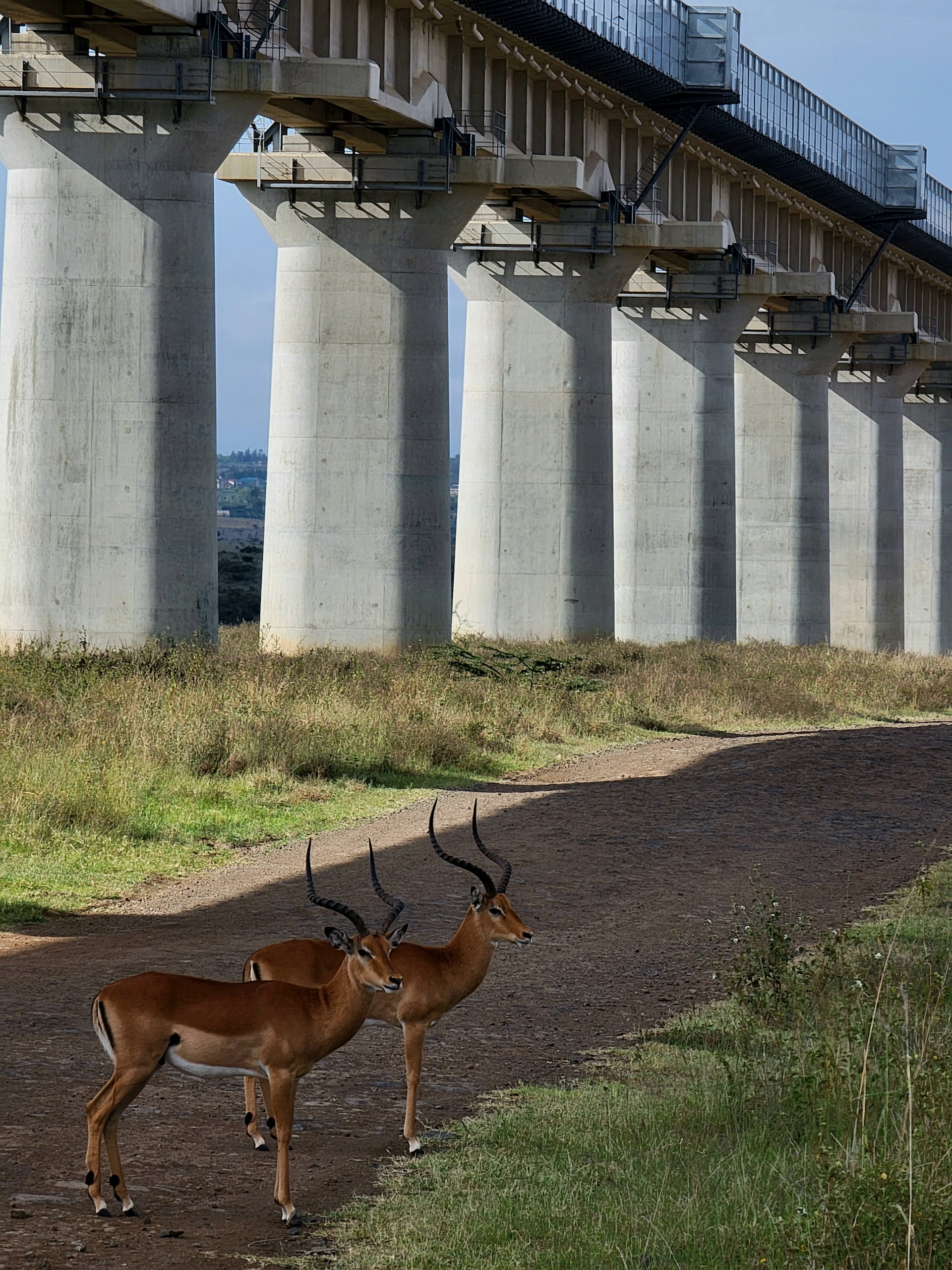
Many travelers love the Nairobi–Mombasa Standard Gauge Railway option for comfort and views. You can confirm schedules and fares through Kenya Railways booking and fare pages.
Go by road (cheapest, but longest)
Buses can be the lowest-cost option. However, the journey is long and can be tiring. If it is your first time, consider the train instead.
Getting around Mombasa
Local transport is part of the adventure, but it helps to choose wisely.
Tuk-tuks
Perfect for short trips and fun for first-timers. However, agree on the price before you start.
Ride-hailing apps
Uber and Bolt are common in many areas. In addition, they reduce fare negotiation stress.
Taxis and private drivers
Good for half-day or full-day sightseeing if you want comfort. Therefore, they work well for families or small groups.
Matatus (local minibuses)
They are very cheap, and locals rely on them daily. However, routes can be confusing and crowded, so they are not ideal for most first-time visitors.
Likoni Ferry (for the South Coast)
If you plan to visit Diani and South Coast beaches, you cross via the Likoni Ferry. It runs frequently, but queues can be long during peak times. Its free for pedestrians but vehicles pay according to the size.
Where to stay: the best areas for different travelers
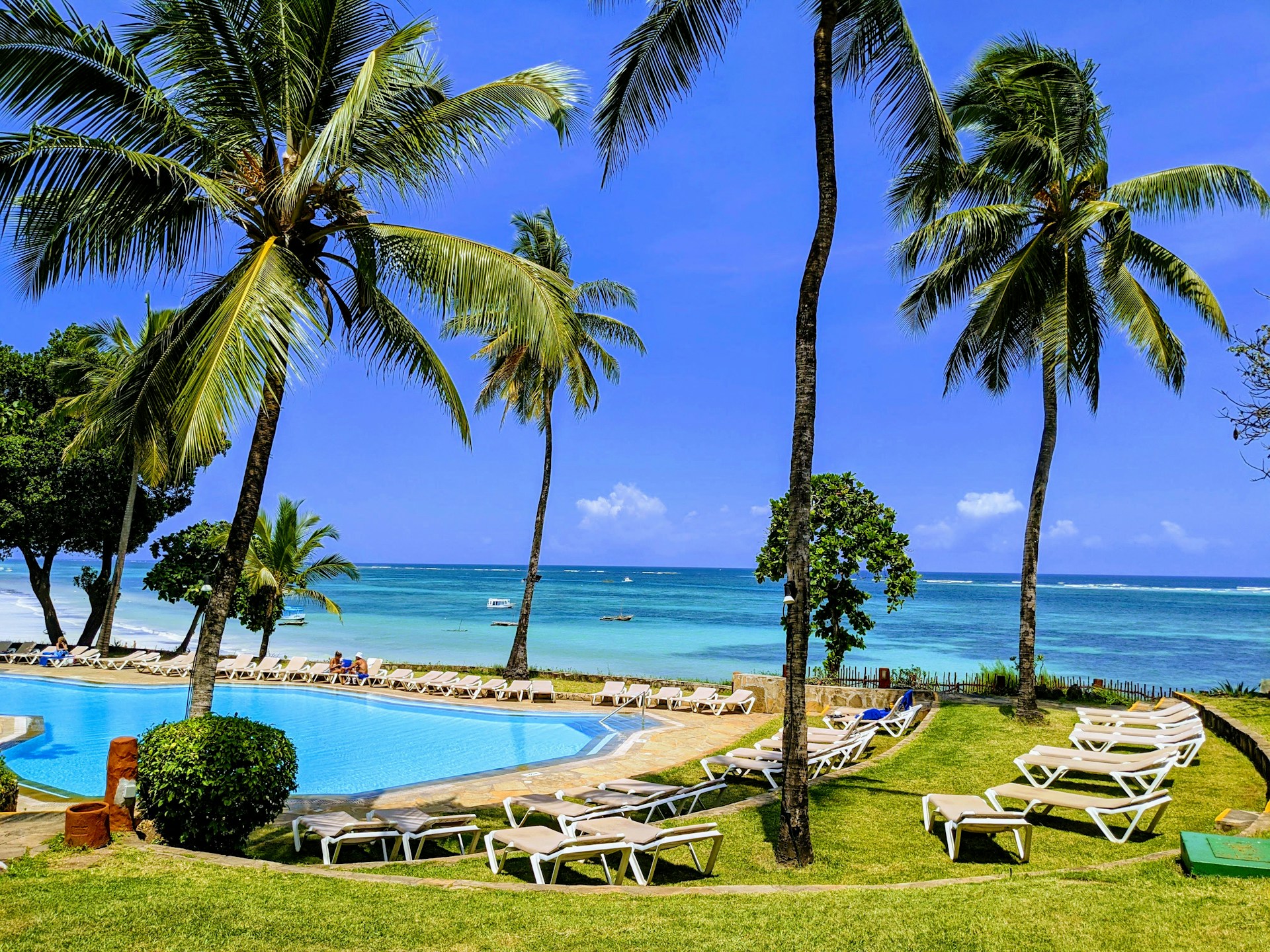
Choosing a base is one of the most important steps in a Mombasa coastal travel planning guide, because it shapes your daily rhythm.
Nyali: best all-round base for first-timers
Nyali feels modern and convenient. You get malls, restaurants, and easy access to key sights. Therefore, it works well for families and visitors who want comfort without isolation.
Best for: first-time visitors, families, mixed itineraries
Bamburi and Shanzu: resort strips with long beaches
These northern areas have many larger resorts and long beach stretches. In addition, they suit travelers who want to stay mostly on the beach.
Best for: all-inclusive stays, relaxed beach holidays
Mombasa Island and Old Town: culture-forward and walkable
Staying near Old Town puts history at your doorstep. However, it can feel busier and less “resort-like.” Still, it is unforgettable if you want atmosphere.
Best for: culture lovers, photographers, history fans
Diani (optional extension): iconic South Coast beach escape
Diani is outside the city but often paired with Mombasa. It offers wide white sand and a more “postcard” beach vibe.
Best for: honeymoon vibes, watersports, pure beach focus.
Mtwapa — best for backpackers and budget travelers
Located north of Nyali and close to Bamburi, Mtwapa is a popular choice for backpackers, long-stay travelers, and visitors looking to stretch their budget further. Unlike the more tourist-heavy beach zones, Mtwapa has a stronger local feel, which often means cheaper accommodation, lower food prices, and more affordable nightlife.
You will find:
- Budget guesthouses and apartments
- Cheap local restaurants and street food
- Affordable bars and nightlife spots
- Easy access to nearby beaches and attractions
Because many locals live and work here, everyday costs are usually lower than in resort-focused areas like Nyali or Diani. Therefore, Mtwapa works especially well for travelers who want a more authentic and budget-friendly coastal experience without staying too far from the main tourist attractions.
Top things to do in Mombasa
Fort Jesus (UNESCO World Heritage Site)
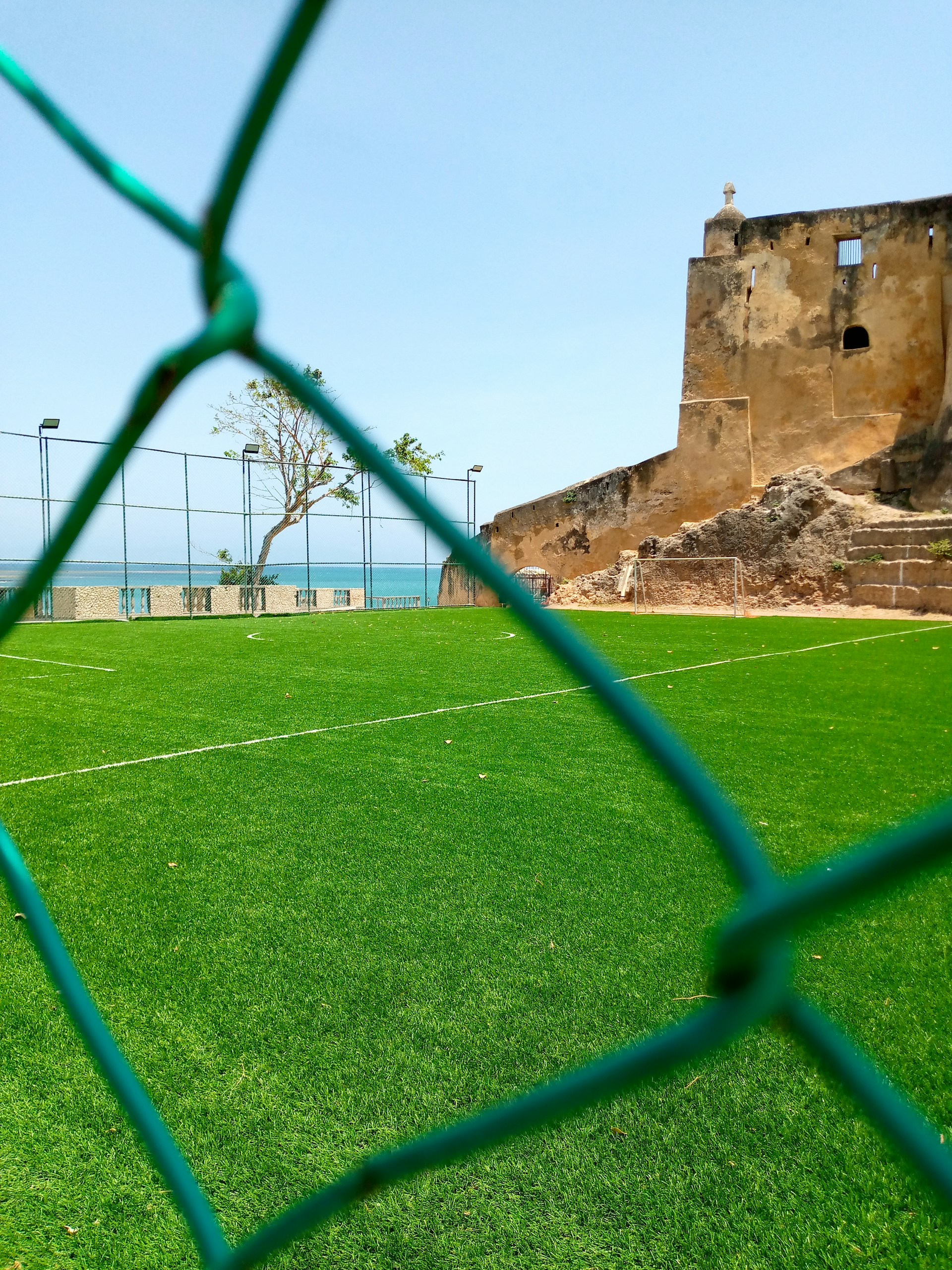
Fort Jesus is the city’s defining landmark, built by the Portuguese in 1593–1596. A guided visit makes the history click, and it is one of the most important cultural stops on the coast.
Plan: 1.5–2.5 hours
Tip: Go earlier in the day to avoid peak heat.
Old Town
Old Town is where Mombasa’s identity shows itself: narrow streets, spice shops, historic mosques, and famous carved doors. Because it is compact, you can explore it on foot and simply follow what interests you.
Tip: Ask before photographing people, especially in markets.
Moi Avenue Tusks (Pembe Za Ndovu)
A classic photo stop on Moi Avenue. It is quick, central, and easy to add between activities.
Mama Ngina Waterfront
A relaxing promenade for an evening stroll. In addition, it is a good place to watch boats, enjoy the breeze, and snack from vendors.
Haller Park
A former quarry turned nature park with walking paths and animals like giraffes and hippos. It is especially good for families, because it mixes wildlife with an easy, safe setting.
Mamba Village (Nyali)
Known for crocodiles and educational visits. If you like unusual attractions, it is an easy add-on.
Beaches to build your trip around
- Nyali Beach: accessible and calm
- Bamburi Beach: lively and activity-friendly
- Shanzu Beach: quieter resort feel
- Tiwi Beach (South Coast): scenic and relaxed
Planning tip: Schedule at least two full beach days. Otherwise, your trip can feel like nonstop movement.
Mombasa Marine National Park (snorkeling and glass-bottom boats)
If you want marine life, this is the signature experience. Visibility is often best in drier periods, so season matters.
Day trips worth considering
- Wasini Island + Kisite Marine Park: dhow cruise, snorkeling, and possible dolphin sightings
- Tsavo East/West safari add-on: big landscapes and classic wildlife, best as an overnight if you can.
If you are still deciding what to see during your stay, check out our complete guide to Things to Do in Mombasa for beaches, cultural attractions, and local experiences.
Two ready-to-use itineraries
A relaxed 3-day Mombasa itinerary
Day 1: History + waterfront
- Morning: Fort Jesus
- Afternoon: Old Town walk + spice market browsing
- Evening: Mama Ngina Waterfront sunset
Day 2: Wildlife + beach
- Morning: Haller Park
- Afternoon: Nyali Beach
- Evening: seafood dinner (beachfront or creek views)
Day 3: Choose your adventure
- Option A: Marine park snorkeling / glass-bottom boat
- Option B: Likoni Ferry + South Coast beach day
- Evening: sunset dhow cruise if you want a final highlight
A balanced 5-day Mombasa itinerary
Day 1: Arrival + easy beach time
Day 2: Fort Jesus + Old Town walking tour
Day 3: Haller Park + Nyali shopping and cafes
Day 4: Snorkeling or a dhow cruise day
Day 5: Souvenir shopping + departure
This structure works because it alternates “active” and “slow” days. As a result, you feel refreshed rather than exhausted.
What to eat in Mombasa
Food is a major reason to come. Coastal cuisine blends Swahili spices with Indian and Arab influence, so meals often taste richer and more aromatic than inland dishes.
Must-try dishes
- Swahili biryani (often more fragrant on the coast)
- Pilau with kachumbari
- Coconut fish curry
- Viazi karai (spiced potatoes)
- Fresh grilled seafood (snapper, prawns, crab)
Where to eat (simple strategy)
- Old Town: for authentic Swahili flavors and atmosphere
- Beachfront strips: for seafood dinners with views
- Malls in Nyali: for reliable variety and easy dining
Cultural etiquette that makes travel smoother
Small habits help you connect and avoid awkward moments.
- Greet people politely (“Jambo” or “Habari?” works well).
- Use your right hand for giving money and receiving items.
- Dress modestly away from the beach, especially in Old Town.
- Ask before photographing people.
- Remove shoes when entering mosques, and follow local guidance.
Common mistakes first-time visitors make in Mombasa
Trying to “do everything” in two days
Mombasa rewards slower travel. Therefore, plan fewer highlights per day and protect beach time.
Underestimating travel time across areas
Traffic, bridges, and ferry queues can stretch short distances. As a result, group activities by area.
Forgetting cash for small spends
Even if you love cards, many small vendors prefer cash. Carry small notes for tuk-tuks and snacks.
Packing only beachwear
Old Town and cultural sites call for modest clothing. Bring a light cover-up and comfortable walking shoes.
Helpful Guides
- Travelers combining the coast with wildlife adventures can also read our detailed Kenya Safari Planning Guide to help organize parks, budgets, and itineraries.
- If your trip includes the capital city, our Nairobi Travel Cost Guide breaks down accommodation, transport, food, and daily travel expenses to help you budget better.
Credible resources
- Kenya’s official eTA information (Immigration)
- The Kenya eTA application portal
- UNESCO’s page for Fort Jesus, Mombasa
- Kenya Railways booking / fares for the Madaraka Express
- Kenya’s plastic carrier bag ban notice (NEMA)
Frequently asked questions
Is Mombasa worth visiting?
Yes, Mombasa is absolutely worth visiting, especially if you want a mix of beaches, culture, history, and relaxation in one destination. Unlike many beach towns that only focus on resorts, Mombasa combines tropical coastline experiences with centuries of Swahili heritage.
You can spend your mornings snorkeling in the Indian Ocean, your afternoons exploring Old Town, and your evenings enjoying fresh seafood by the beach. In addition, the city works perfectly as part of a larger Kenya trip because it combines well with safari destinations like Tsavo National Park or Maasai Mara.
Mombasa is ideal for:
- Couples seeking romantic beach escapes
- Families looking for safe resort holidays
- Solo travelers interested in culture and history
- Safari travelers wanting beach relaxation afterward
Because of this balance, many visitors say Mombasa feels more diverse and immersive than a standard beach vacation.
What is the best month to visit Mombasa?
The best months to visit Mombasa are usually:
- January to March
- July to October
These periods offer sunny weather, lower humidity, calmer seas, and better snorkeling conditions.
January and February are especially popular because they combine warm beach weather with excellent ocean visibility. Meanwhile, July through October tends to feel slightly cooler and less humid.
However, if you want cheaper hotel prices and fewer crowds, consider visiting during the green season between April and June or in November. Although rain is more common, you can still enjoy many sunny hours during the day.
How many days do you need in Mombasa?
Most travelers should spend at least 5 days in Mombasa.
Here’s a simple breakdown:
- 3 days: Very rushed, only covers major highlights
- 5 days: Balanced trip with beaches, culture, and relaxation
- 7+ days: Ideal for slow travel, day trips, and resort downtime
A longer stay helps because Mombasa is not just about sightseeing. The city is best enjoyed slowly. Therefore, having extra beach days improves the experience significantly.
If you also plan to visit Diani Beach or take a safari excursion, adding several more days is highly recommended.
Which part of Mombasa is best to stay in?
The best area depends on your travel style and budget.
Nyali — Best for first-time visitors
Nyali is modern, central, and convenient. It offers:
- Shopping malls
- Restaurants
- Mid-range and luxury hotels
- Easy access to attractions
It is usually the safest and easiest option for first-time travelers.
Bamburi and Shanzu — Best for beach resorts
These northern coastal areas are known for:
- Large beachfront resorts
- Long sandy beaches
- Family-friendly environments
- Relaxed atmosphere
Old Town — Best for culture lovers
If you enjoy history and architecture, Old Town offers:
- Swahili heritage
- Boutique hotels
- Historic alleyways
- Local culture and food
However, it feels busier and less resort-focused.
Diani Beach — Best for luxury beach escapes
Although south of Mombasa, Diani is famous for:
- White-sand beaches
- Watersports
- Honeymoon resorts
- Luxury stays
Is Mombasa safe for tourists?
Yes, Mombasa is generally safe for tourists when basic precautions are followed.
Most visitors experience no major problems during their stay. Tourist areas such as Nyali, Bamburi, and resort zones are usually welcoming and active throughout the day.
However, like many large cities worldwide, petty theft can happen.
Important safety tips:
- Avoid isolated streets late at night
- Use ride-hailing apps instead of random taxis
- Keep valuables secure
- Avoid flashing expensive jewelry or electronics
- Use hotel safes for passports and cash
In addition, female travelers should avoid walking alone on empty beaches after dark.
Most travelers who use common sense enjoy smooth and stress-free trips.
What is Mombasa famous for?
Mombasa is famous for several things, including:
- White-sand Indian Ocean beaches
- Swahili culture and architecture
- Fort Jesus UNESCO World Heritage Site
- Coral reefs and snorkeling
- Historic Old Town
- Coastal cuisine and seafood
The city is also known as Kenya’s oldest port city. Because of centuries of trade, Mombasa developed a unique blend of African, Arab, Indian, and European influences.
This multicultural identity is visible everywhere—from food and language to architecture and music.
Can you swim in the beaches in Mombasa?
Yes, swimming is one of the main activities in Mombasa.
Popular swimming beaches include:
- Nyali Beach
- Bamburi Beach
- Shanzu Beach
- Tiwi Beach
- Diani Beach
The Indian Ocean is generally warm throughout the year. However, conditions vary depending on tides and weather.
For the safest swimming experience:
- Swim in designated beach areas
- Follow hotel or local safety advice
- Be cautious during strong tides
Many beaches also offer snorkeling, jet skiing, paddleboarding, and dhow cruises.
What should I wear in Mombasa?
Mombasa has a hot tropical climate, so lightweight clothing works best.
Recommended clothing:
- Cotton shirts and shorts
- Sundresses
- Sandals or breathable shoes
- Swimwear for beaches
- Light evening clothing
However, modest dressing is important away from beach areas.
For example:
- Cover shoulders and knees in Old Town
- Dress respectfully near mosques and local neighborhoods
- Carry a light scarf or cover-up when sightseeing
Respectful clothing helps travelers blend in comfortably with local culture.
What food should I try in Mombasa?
Mombasa has some of Kenya’s best food because of its Swahili coastal influences.
Must-try dishes:
- Swahili biryani
- Coconut fish curry
- Pilau rice
- Viazi karai
- Grilled seafood
- Mahamri and mbaazi
- Fresh sugarcane juice
Seafood is especially popular because of the coastal location. Therefore, many restaurants serve fresh prawns, crab, lobster, and snapper daily.
Old Town is one of the best areas for authentic local food experiences.
Can you combine Mombasa with a safari?
Yes, combining Mombasa with safari is one of the most popular Kenya travel itineraries.
Many travelers:
- Start with safari first
- Finish with beach relaxation afterward
Popular safari parks connected to Mombasa include:
- Tsavo East National Park
- Tsavo West National Park
- Amboseli National Park
- Maasai Mara (via domestic flight)
This combination works well because safari days can feel intense and active. Therefore, relaxing at the coast afterward creates a balanced vacation.
Is Mombasa expensive for tourists?
Mombasa can fit almost any budget.
Average daily costs per person:
- Budget: $40–70
- Mid-range: $100–180
- Luxury: $250+
Budget travelers can save money by:
- Using local restaurants
- Taking tuk-tuks
- Staying in guesthouses
Luxury travelers, meanwhile, can enjoy:
- Beach resorts
- Private tours
- Oceanfront dining
- Premium safari add-ons
Accommodation usually makes the biggest difference in overall cost.
Do you need cash in Mombasa?
Yes, carrying some cash is highly recommended.
Although hotels and malls accept cards, smaller businesses often prefer cash or mobile payments.
Cash is especially useful for:
- Tuk-tuks
- Street food
- Local markets
- Small beach vendors
The local currency is the Kenyan Shilling (KES).
In addition, mobile payment services like M-Pesa are widely used across Kenya.
Is Mombasa good for couples and honeymoons?
Yes, Mombasa is one of East Africa’s best destinations for couples.
Romantic experiences include:
- Sunset dhow cruises
- Oceanfront dinners
- Beach resorts
- Spa treatments
- Private snorkeling tours
- South Coast beach escapes
Diani Beach is especially popular for honeymoon trips because of its calm atmosphere and luxury resorts.
Couples often combine safari and beach experiences for a complete Kenya honeymoon.
What are the best things to do in Mombasa?
Some of the top activities include:
- Explore Fort Jesus
- Walk through Old Town
- Relax at Nyali Beach
- Visit Haller Park
- Take a dhow cruise
- Snorkel at Mombasa Marine Park
- Visit the Moi Avenue Tusks
- Try Swahili cuisine
- Explore local spice markets
- Take a day trip to Diani Beach
The best itinerary combines beaches, culture, food, and relaxation instead of rushing between attractions.
Do I need a visa to visit Mombasa, Kenya?
Most travelers now require a Kenya Electronic Travel Authorisation (eTA) before arrival.
Applications are completed online before travel.
Always check the latest official immigration requirements before booking flights because entry rules can change over time.
Official resources:
Conclusion: plan smart, then slow down
Mombasa works best when you plan the essentials and then let the coast set the pace. With this Mombasa coastal travel planning guide, you can pick the right season, choose a neighborhood that matches your style, build an itinerary that balances history and beach time, and avoid the common first-timer mistakes that waste energy.