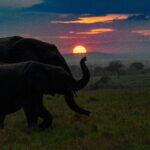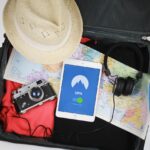
Planning a safari is exciting. However, deciding exactly what to pack can feel overwhelming. This African safari packing checklist gives you a complete, printable guide so you arrive prepared, comfortable, and confident. In addition, you’ll learn what to wear, which gear truly matters, how to handle bush flight weight limits, and what not to bring.
Whether you’re heading to Kenya, Tanzania, South Africa, Botswana, or Zambia, this guide explains everything in simple, practical terms. By the end, you will know exactly what to pack for an African safari without overpacking or forgetting essentials.
Why You Need an African Safari Packing Checklist
A safari is not a typical beach holiday or city break. Instead, it combines early mornings, dusty roads, remote lodges, and dramatic temperature swings.
For example, you may start your day before sunrise in near-freezing temperatures. By midday, the African sun can feel intense and relentless. As a result, packing strategically becomes essential.
Moreover, safari destinations are often far from major towns. Therefore, replacing forgotten items can be expensive or impossible. An organized African safari packing checklist helps you:
- Stay comfortable during long game drives
- Protect yourself from strong sun exposure
- Prevent insect bites
- Respect local dress norms
- Avoid overweight baggage fees
- Reduce pre-trip stress
For broader trip preparation, see our internal Kenya Safari Planning Guide (rassafari.com/kenya-safari-planning) and Best Safari Parks in Kenya (rassafari.com/best-safari-parks-kenya).
Essential Safari Clothing: The Foundation of Your Packing List
Clothing is the most important section of any African safari packing checklist. Fortunately, you do not need expensive technical gear. Instead, focus on comfort, layering, and neutral colors.
The Golden Rule: Wear Neutral Colors
Wildlife notices bright colors. Therefore, choose earth tones such as:
- Khaki
- Olive green
- Beige
- Light brown
- Light grey
These shades help you blend into the bush. In addition, they hide dust better than white or bright fabrics.
Avoid:
- Bright red or neon colors
- Pure white
- Dark blue and black (these attract tsetse flies in parts of East Africa)
- Camouflage (restricted in several countries)
Master the Art of Layering
An African safari is a study in temperature contrast. Mornings can feel icy. However, afternoons often become hot and dry.
Layering allows you to adjust easily.
Base Layer:
Lightweight t-shirt or long-sleeve moisture-wicking shirt.
Mid Layer:
Fleece, thermal pullover, or light sweater.
Outer Layer:
Packable windbreaker or light jacket. During the green season, choose a lightweight rain jacket.
Therefore, you can remove layers as temperatures rise and add them again during evening drives.
Safari Shirts and Tops
Pack:
- 3–4 lightweight long-sleeve shirts
- 2–3 short-sleeve shirts
- 1 fleece or warm sweater
- 1 lightweight jacket
Long sleeves provide sun and insect protection. In addition, breathable fabrics such as cotton, linen, or performance synthetics help regulate body temperature.
A collared shirt also protects your neck from sun exposure.
Safari Pants and Bottoms
Bring:
- 2–3 lightweight safari trousers
- 1–2 pairs of shorts
- Optional: convertible zip-off pants
- 1 comfortable outfit for the lodge
Convertible trousers offer flexibility. However, they are not mandatory. Choose lightweight, quick-dry materials instead of heavy denim.
For women, a casual summer dress or long skirt works well for evenings at camp.
Footwear: Comfort Over Style
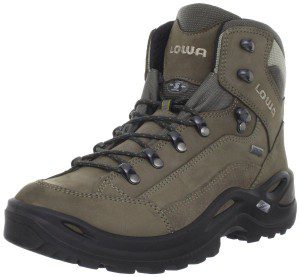
You will spend many hours seated in a safari vehicle. However, comfortable footwear still matters.
Recommended:
- Lightweight walking shoes or trail runners
- Optional hiking boots (for walking safaris)
- Sandals or sturdy flip-flops for the lodge
Avoid brand-new shoes. Instead, break them in before departure to prevent blisters.
Sun Protection Essentials
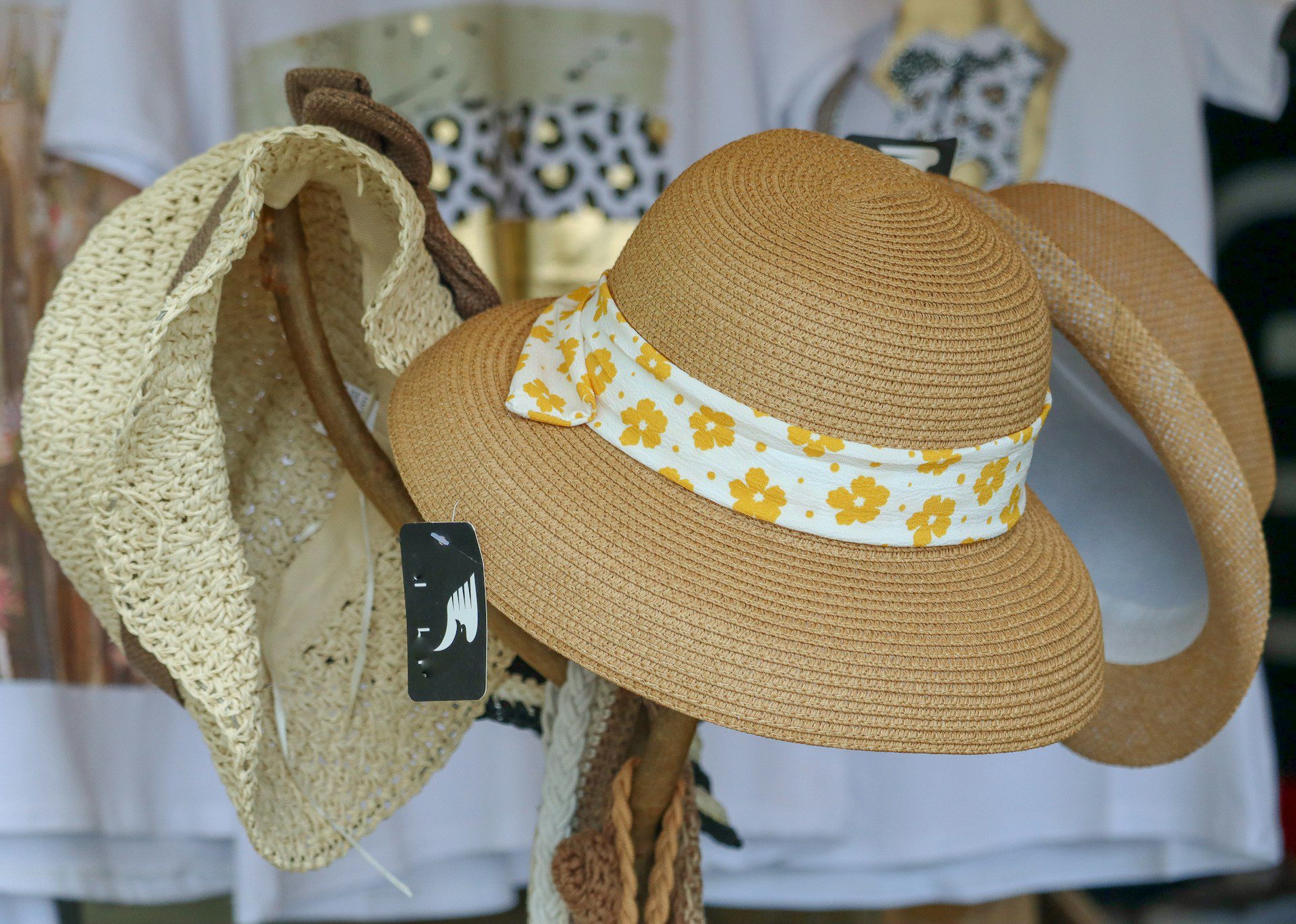
African sun exposure is intense. Therefore, sun protection is non-negotiable.
Pack:
- Wide-brim hat with chin strap
- UV-protection sunglasses
- High-SPF sunscreen (SPF 30+)
- Lip balm with SPF
- Buff or scarf
According to the World Health Organization, prolonged UV exposure increases skin damage risk. Therefore, reapply sunscreen regularly during game drives.
Health, Toiletries & Safety Essentials
Health preparation is critical, especially in remote areas.
Consult travel advice from the Centers for Disease Control and Prevention before departure.
First Aid Kit Must-Haves
- Pain relievers
- Anti-diarrheal medication
- Antihistamines
- Rehydration salts
- Plasters and antiseptic cream
- Blister treatment
If visiting malaria-prone regions, speak to a doctor about prophylaxis.
Insect Protection
- Repellent with DEET or Picaridin
- Optional Permethrin clothing treatment
In addition, pack hand sanitizer and wet wipes for freshening up during long drives.
Critical Gear & Gadgets for Wildlife Viewing
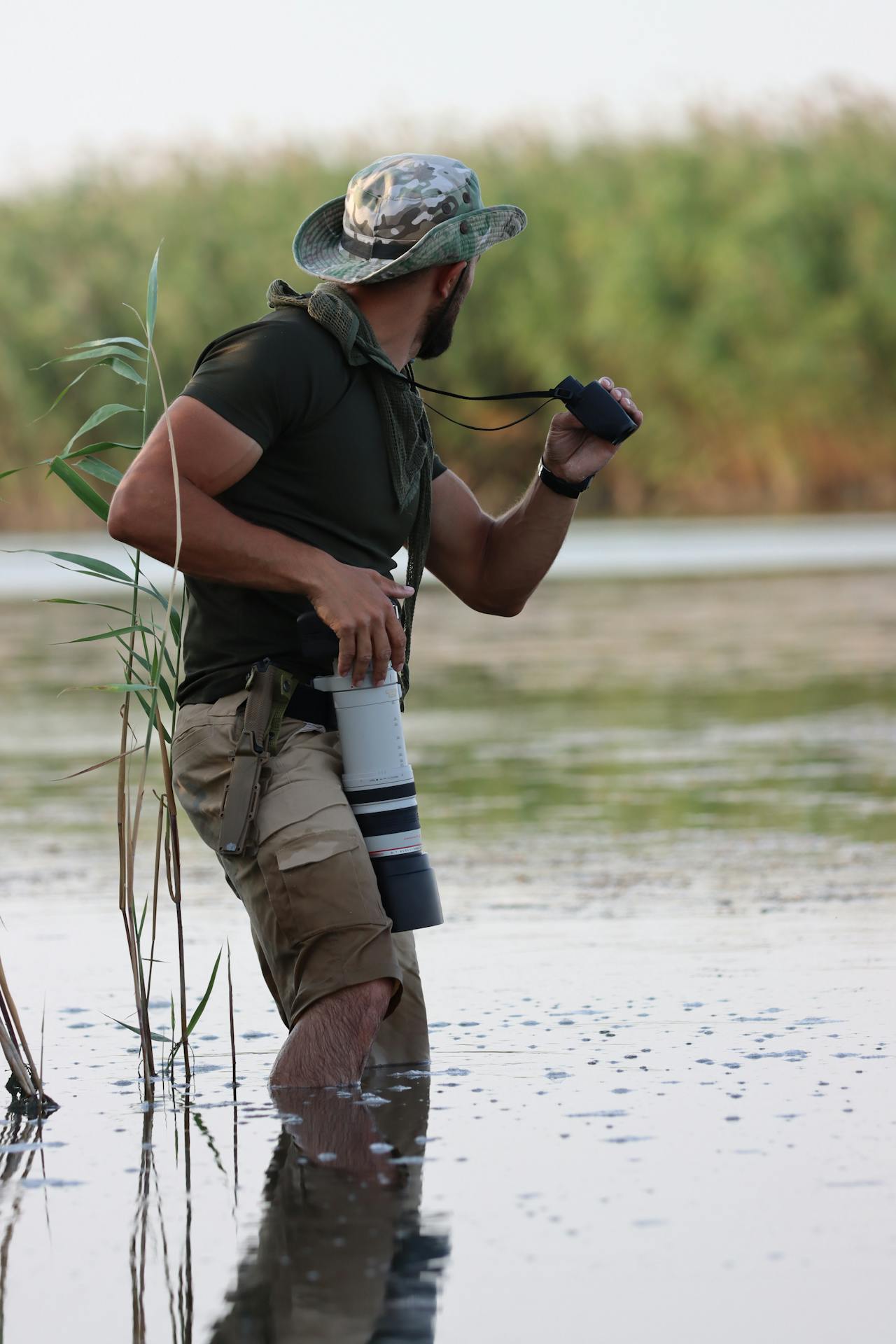
Binoculars
Bring 8x or 10x magnification binoculars. Although guides carry pairs, having your own improves wildlife spotting.
Camera Equipment
- DSLR or mirrorless camera
- Zoom lens (minimum 200mm recommended)
- Extra batteries
- Memory cards
- Cleaning kit
- Rain cover
Cold mornings drain batteries faster. Therefore, pack spares.
Tech Essentials
- Headlamp (preferably with red-light mode)
- Universal travel adapter
- Power bank
- Charging cables
Many camps operate on solar power. As a result, charging hours may be limited.
Luggage Rules for Fly-In Safaris
If your safari includes bush flights, luggage restrictions are strict.
The Bag
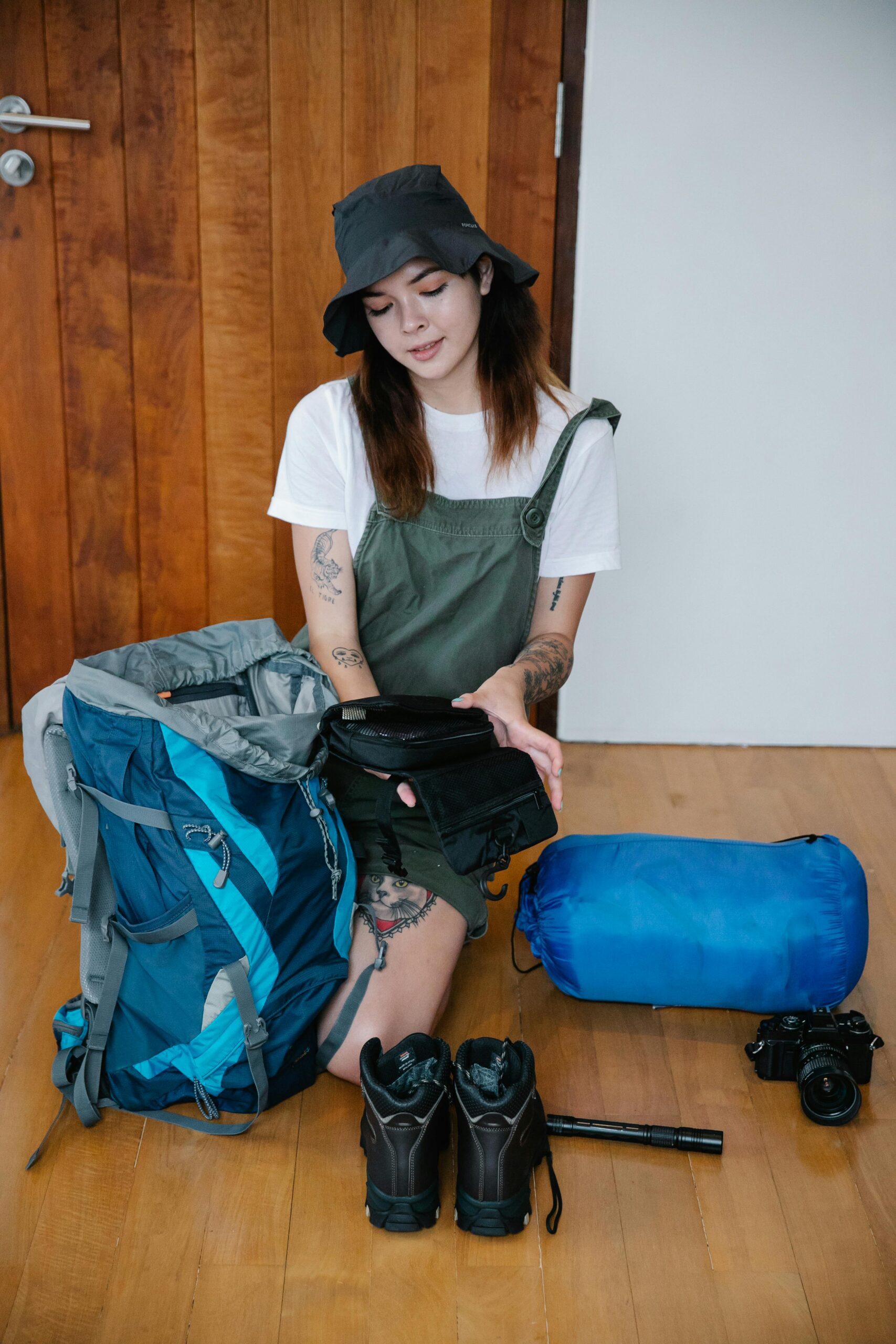
Use a soft-sided duffel bag only. Hard-shell suitcases will not fit.
Weight Limit
Typical allowance: 15–20 kg (33–44 lbs), including camera gear and carry-on.
Therefore, pack light and use packing cubes for organization.
Seasonal Packing Guide
Dry Season (June–October)
- Cooler mornings
- More dust
- Excellent wildlife visibility
Pack gloves and a beanie for early drives.
Green Season (November–May)
- Warmer temperatures
- Occasional heavy rain
- Lush landscapes
Add a lightweight rain jacket and quick-dry clothing.
Important Documents & Money
Keep documents secure and accessible:
- Passport (6+ months validity)
- Visa documents
- Travel insurance
- Vaccination certificate
- Cash (USD widely accepted)
- Credit/debit cards
Use a waterproof travel wallet. In addition, store digital copies online.
Travel insurance should include medical evacuation coverage.
What NOT to Pack for an African Safari
Just as important as what to bring is what to leave at home. Avoiding these items will save you from logistical headaches and cultural faux pas.
- ❌ Camouflage Clothing: In several African countries, including Zimbabwe and Zambia, camouflage is restricted for military use only and wearing it is illegal for civilians .
- ❌ Drones: Drones are generally banned in and near national parks and private reserves. They disturb wildlife and violate the privacy of other visitors.
- ❌ Plastic Bags: Countries like Kenya, Rwanda, and Tanzania have strict bans on single-use plastics. Do not bring plastic carrier bags into the country, as you could face a heavy fine. (Ziploc-style bags for electronics are usually acceptable).
- ❌ Heavy Valuables and Jewellery: Leave expensive jewellery at home. It’s impractical for the dusty environment and can attract unwanted attention.
- ❌ High-Voltage Appliances: Hairdryers, curling irons, and straighteners are often impractical. Many camps run on solar power or generators and cannot support them. Embrace the natural look!
Printable African Safari Packing Checklist
Luggage
☐ Soft-sided duffel
☐ Small daypack
☐ Packing cubes
Clothing
☐ 3–4 long-sleeve shirts
☐ 2–3 short-sleeve shirts
☐ 2–3 safari trousers
☐ Fleece or sweater
☐ Light jacket
☐ Shorts
☐ Underwear & socks
☐ Sleepwear
☐ Swimsuit
Footwear
☐ Walking shoes
☐ Optional hiking boots
☐ Sandals
Sun & Accessories
☐ Wide-brim hat
☐ Sunglasses
☐ Sunscreen
☐ Lip balm
☐ Buff/scarf
Gear
☐ Binoculars
☐ Camera + lens
☐ Extra batteries
☐ Memory cards
☐ Headlamp
☐ Power bank
Health
☐ Prescription medication
☐ First aid kit
☐ Insect repellent
☐ Hand sanitizer
☐ Wet wipes
Documents
☐ Passport
☐ Visa
☐ Insurance
☐ Vaccination card
☐ Cash & cards
Safari Planning Resources
For deeper travel preparation, explore:
Frequently Asked Questions About an African Safari Packing Checklist
What should I pack for an African safari?
When preparing for a safari, pack lightweight clothing in neutral colors such as khaki, olive, or beige. These colors blend into the environment and help avoid attracting insects or disturbing wildlife.
Essential safari packing items include:
- Lightweight long-sleeve shirts
- Breathable safari trousers
- Comfortable walking shoes
- Wide-brim hat and sunglasses
- Sunscreen and insect repellent
- Binoculars
- Camera with extra batteries
- Small daypack for game drives
- Personal medication and first aid kit
- Passport and travel insurance
In addition, if your safari includes bush flights between parks, pack a soft-sided duffel bag because small aircraft often have strict luggage rules.
What colors should you wear on an African safari?
Neutral earth tones are the best clothing colors for safari.
Recommended colors include:
- Khaki
- Olive green
- Beige
- Brown
- Light grey
These colors blend naturally with the savannah environment. As a result, they help prevent disturbing wildlife and also hide dust better.
Avoid bright colors, pure white, and dark blue or black clothing in areas with tsetse flies.
How many clothes should I pack for a safari?
You do not need many clothes for safari travel. Most travelers pack:
- 4–5 shirts
- 2–3 pairs of trousers
- 1 fleece or sweater
- 1 lightweight jacket
- Comfortable sleepwear
- Enough socks and underwear
Many safari lodges offer laundry services. Therefore, you can wash clothes during your trip and pack lighter.
Do you need hiking boots for an African safari?
Most safaris do not require hiking boots. Wildlife viewing usually happens during game drives in safari vehicles.
Instead, bring:
- Comfortable walking shoes
- Trail running shoes
- Lightweight sneakers
However, if your itinerary includes walking safaris or hiking excursions, lightweight hiking boots with ankle support are recommended.
Can I bring a hard suitcase on safari?
Hard-shell suitcases are generally discouraged on safari, especially if your trip includes bush flights.
Small aircraft used for flying between parks have limited cargo space. Therefore, airlines usually require:
- Soft-sided duffel bags
- Flexible luggage
- Weight limits between 15–20 kg (33–44 lbs)
Packing in a soft bag ensures your luggage fits inside small aircraft cargo holds.
Is insect repellent necessary for an African safari?
Yes, insect repellent is essential.
Mosquitoes and other insects are common in many safari areas, particularly near water sources and during evening hours.
Choose a repellent containing:
- DEET
- Picaridin
- Oil of lemon eucalyptus
Apply insect repellent during early morning and evening game drives.
Do safari lodges provide toiletries?
Most safari lodges provide basic toiletries, including shampoo, conditioner, and body wash.
However, it is still recommended to bring personal items such as:
- Toothbrush and toothpaste
- Deodorant
- Moisturizer
- Lip balm
- Personal medications
Because safari camps are often remote, having your preferred toiletries ensures comfort.
How cold does it get on an African safari?
Safari mornings can feel surprisingly cold, especially during the dry season from June to August.
Early morning game drives often begin before sunrise. The open safari vehicles and wind can make temperatures feel chilly.
Pack the following warm layers:
- Fleece or sweater
- Lightweight jacket
- Gloves and a beanie during winter months
Later in the day, temperatures warm quickly. Therefore, layering is important.
Can I use my phone camera on safari?
Yes, smartphone cameras work well for many safari photos. However, they have limited zoom capabilities.
Animals are often far from the vehicle. Therefore, many travelers bring cameras with zoom lenses of at least 200mm.
If using your phone:
- Bring a power bank
- Use burst mode for moving animals
- Clean the lens regularly to avoid dust
Serious wildlife photographers usually prefer DSLR or mirrorless cameras.
Is travel insurance necessary for a safari?
Travel insurance is strongly recommended.
Safaris often take place in remote areas far from hospitals. Therefore, insurance should include:
- Medical coverage
- Trip cancellation protection
- Lost luggage protection
- Emergency medical evacuation
Medical evacuation coverage is particularly important for safari travel.
Should I bring binoculars on safari?
Yes, binoculars greatly enhance the safari experience.
They allow you to see animals that are far away, such as birds in trees or predators resting in tall grass.
The best safari binoculars typically have:
- 8x magnification for wide viewing
- 10x magnification for distant animals
Compact binoculars are ideal because they are easy to carry during game drives.
Do I need malaria medication for safari?
Some safari destinations are located in malaria-risk regions.
Before traveling, consult a doctor or travel clinic about:
- Malaria prevention medication
- Required vaccinations
- Travel health recommendations
In addition to medication, travelers should use insect repellent and wear long sleeves during evenings.
Can you wear shorts on safari?
Yes, shorts can be worn during warm afternoons and while relaxing at the lodge.
However, long trousers are usually better during game drives because they:
- Protect against sun exposure
- Prevent insect bites
- Provide warmth during cool mornings
Many safari travelers prefer convertible trousers that zip into shorts.
What bag should I bring on safari?
The best luggage for safari travel is a soft-sided duffel bag.
These bags are flexible and easier to load onto small aircraft used in safari regions.
Bring:
- A soft duffel bag for main luggage
- A small backpack or daypack for game drives
Packing cubes can help organize clothing inside the duffel bag.
Do I need a hat for safari?
Yes, a hat is one of the most important items to pack.
The African sun can be intense, especially during midday game drives.
A wide-brim safari hat protects:
- Your face
- Your neck
- Your scalp
Choose a hat with a chin strap so it does not blow away during vehicle rides.
Should I bring a reusable water bottle on safari?
Yes, a reusable water bottle is highly recommended.
Most safari lodges provide filtered water for refilling bottles. Using reusable bottles reduces plastic waste and keeps you hydrated during long game drives.
Hydration is especially important because safari regions can be hot and dry.
Can I bring drones on safari?
Drones are usually not allowed in national parks or wildlife reserves.
They can disturb animals and disrupt other visitors’ experiences.
In many African countries, drones also require special permits from aviation authorities.
Therefore, it is best to leave drones at home unless you have official permission.
What type of sunscreen is best for safari?
Choose sunscreen with:
- SPF 30 or higher
- Broad-spectrum protection
- Water-resistant formula
Because safaris involve long hours outdoors, sunscreen should be reapplied regularly during the day.
Some travelers prefer reef-safe sunscreen because it is more environmentally friendly.
How much luggage is allowed on safari flights?
Many bush flights have luggage limits between 15–20 kg (33–44 pounds) per person.
This total weight includes:
- Main luggage
- Carry-on bags
- Camera equipment
Because of these restrictions, packing light is important for safari travel.
Do I need special safari clothing?
Special safari clothing is not required. However, clothing should be:
- Lightweight
- Breathable
- Neutral colored
- Comfortable
Avoid bright colors and heavy fabrics. Instead, choose practical clothing suitable for warm weather and outdoor activities.
Why is packing light important for safari travel?
Packing light makes safari travel easier and more comfortable.
Many safari destinations require small aircraft flights, which have strict baggage limits. In addition, moving between lodges and camps becomes simpler when luggage is minimal.
Most lodges provide laundry services, so travelers can reuse clothing during their trip.
Final Thoughts: Pack Smart, Travel Confident
Packing correctly transforms your safari experience. Therefore, use this African safari packing checklist to stay organized and stress-free.
Focus on neutral clothing. Prioritize sun and insect protection. Respect luggage limits. Pack light but smart.
With the right preparation, you can focus entirely on the magic of Africa — the golden savannah, dramatic sunsets, and unforgettable wildlife encounters.
Safe travels and happy safari planning.