The 6 month African safari planning timeline is the smartest way to turn a wildlife dream into a smooth, unforgettable reality.
Six months before departure is the moment anticipation meets action. Until now, your safari lived on Pinterest boards and travel wish lists. However, this is the point where planning becomes real.
This guide walks you step-by-step through everything you must do starting six months before your safari. In addition, you’ll learn how to choose destinations, secure lodges, book flights, prepare documents, manage health requirements, pack properly, and avoid costly mistakes.
By the end, you’ll have a complete roadmap that removes stress and replaces it with confidence.
Why the 6 Month African Safari Planning Timeline Matters
Safari travel works differently from standard vacations.
Unlike cities with thousands of hotels, safari camps are intentionally small. Most lodges offer just 6–20 rooms. As a result, availability disappears fast.
Planning six months ahead allows you to:
- Secure top lodges before they sell out
- Access cheaper international flights
- Complete visas and vaccinations calmly
- Budget without pressure
- Build a realistic itinerary
However, travelers who wait too long often pay more and compromise on experiences.
Therefore, starting early gives you control.
Month 6: Define Your Safari Goals and Choose Destinations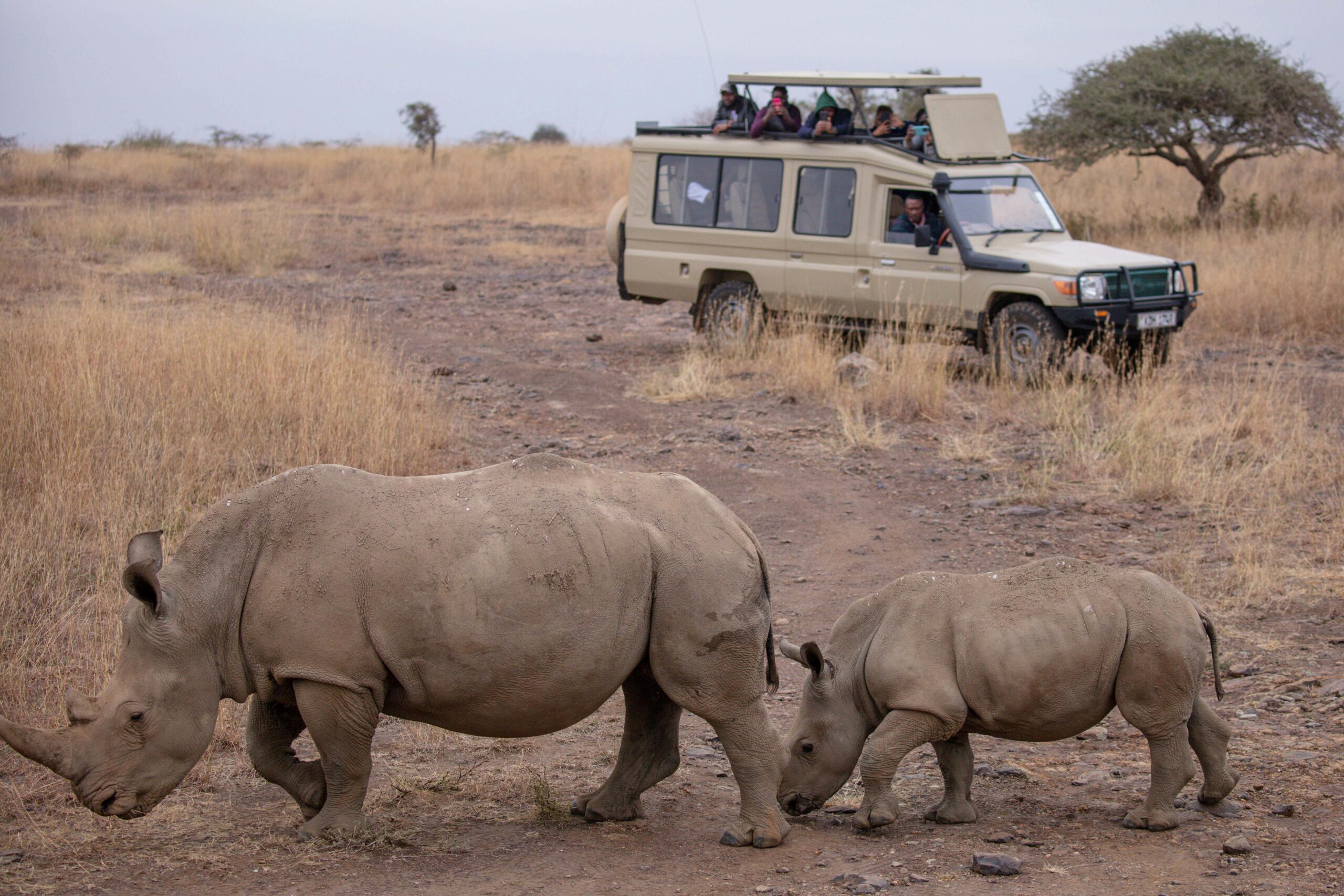
Decide What Kind of Safari You Want
First, clarify your priorities.
Ask yourself:
- Do you want to see the Big Five?
- Are you hoping for the Great Migration?
- Is luxury important, or are you on a budget?
- Are you traveling solo, as a couple, or with family?
For example, photographers prefer open vehicles and longer game drives. Families may want lodges with pools and large rooms.
Your answers shape every decision that follows.
Shortlist Countries and Parks
Popular beginner safari destinations include:
- Maasai Mara National Reserve
- Serengeti National Park
- Kruger National Park
Each offers different wildlife density, landscapes, and price ranges.
In addition, consider flight connections and visa rules.
Start Rough Budgeting
Create a ballpark budget covering:
- International flights
- Safari lodges or camps
- Park fees
- Transfers or domestic flights
- Food and tips
This framework prevents overspending later.
Month 5: Research Safari Operators and Compare Packages
Planning a safari is easier when you work with the right operator. At this stage of your 6 month African safari planning timeline, your goal is to compare companies, understand what packages include, and choose the travel style that suits you best.
Not all safari experiences are the same. Some focus on luxury lodges, while others emphasize adventure or photography. Therefore, take time to evaluate your options carefully.
Choose Between Guided or Self-Drive Safaris
First, decide whether you want a guided safari or a self-drive safari.
Guided safaris are the most popular choice, especially for first-time travelers. Professional guides know how to track animals, read wildlife behavior, and navigate large national parks. In addition, guides share valuable knowledge about ecosystems, conservation, and local culture.
Self-drive safaris, on the other hand, give travelers more independence. This option works best in parks with strong infrastructure, such as Kruger National Park in South Africa. However, it requires more preparation because you must arrange navigation, accommodation, and safety planning yourself.
For most visitors planning their first safari, a guided experience provides the safest and most informative way to explore Africa’s wildlife reserves.
Compare Safari Tour Operators Carefully
Next, begin researching safari tour operators.
Not all companies provide the same level of service, so comparing several operators is important. Look for companies that offer transparent pricing, clear itineraries, and strong customer reviews.
In addition, check what is included in the package. Some safaris include park fees, meals, transfers, and game drives. Others charge these items separately.
Reliable safari operators should provide:
- Detailed itineraries
- Clear cancellation policies
- Professional guides
- Strong safety standards
- Positive traveler reviews
Reading independent reviews can help you understand the experiences of previous guests.
Request Detailed Sample Itineraries
Before choosing a safari package, ask operators to send sample itineraries.
A detailed itinerary shows how your safari will unfold day by day. For example, it should outline the number of game drives, travel times between parks, and accommodation locations.
This information helps you understand the pace of the trip. Some safaris focus on visiting multiple parks, while others allow more time in one wildlife reserve.
As a result, you can compare safari experiences more accurately rather than simply comparing prices.
Understand What Is Included in the Safari Package
Safari packages can vary widely, so it is important to review the details carefully.
Some packages include nearly everything, including:
- Accommodation
- Meals
- Game drives
- Park entrance fees
- Airport transfers
However, other packages may exclude certain costs. For example, drinks, laundry, tips, and internal flights may be billed separately.
Understanding these details early prevents surprises later in your African safari planning timeline.
Check Lodge Availability and Seasonal Pricing
Finally, ask operators about lodge availability and seasonal pricing.
Safari prices often change depending on the time of year. Peak wildlife seasons usually cost more because demand increases.
For example, the dry season between June and October attracts the most visitors. Wildlife is easier to spot because animals gather around water sources.
Therefore, checking availability early helps you secure better rooms and better prices before lodges fill up.
Month 4: Book Flights and Reserve Lodges
This stage anchors your entire 6 month African safari planning timeline.
Lock in International Flights
Four to six months out often offers the best balance of price and availability.
Whenever possible:
- Choose flexible tickets
- Avoid tight connections
- Arrive one day before your safari begins
Also, check baggage rules carefully. Small charter planes usually allow only 15–20 kg in soft bags.
Reserve Safari Lodges Early
Confirm:
- Room types
- Meal plans
- Game drive schedules
- Laundry services
- Power outlets and Wi-Fi
Most lodges require 20–40% deposits. Save every confirmation email.
Pay Deposits and Organize Booking Confirmations
Once you choose your flights and safari lodges, the next step is paying the required deposits. Most safari operators and lodges ask for an initial payment to secure your reservation. In many cases, this deposit ranges from 20% to 40% of the total safari cost.
Paying the deposit early guarantees your space at the lodge and confirms your travel dates. Because safari camps are usually small and exclusive, rooms can sell out quickly during peak seasons. Therefore, completing this payment promptly helps avoid losing your preferred accommodation.
After making the payment, organize all your confirmation documents carefully. Save copies of your flight tickets, lodge reservations, transfer details, and payment receipts. In addition, keep digital backups in your email or cloud storage so you can access them easily while traveling.
It is also helpful to create a simple travel folder containing:
- Flight confirmations
- Lodge booking confirmations
- Safari itinerary
- Travel insurance documents
- Passport and visa copies
Month 3: Passports, Visas, and Health Planning
Check Passport Validity
Your passport must:
- Be valid at least six months after return
- Contain two or more blank pages
If not, renew immediately.
Apply for Visas
Some countries offer e-visas. Others provide visas on arrival. Rules change often, so verify requirements early.
Make photocopies of your passport and store them separately.
Schedule Vaccinations
Visit a travel clinic to discuss:
- Yellow fever
- Hepatitis A and B
- Typhoid
- Routine boosters
Travelers should always check official vaccination recommendations from the World Health Organization travel health guidelines before visiting safari regions.
Also, ask about malaria prevention and emergency medications.
Month 2: Build Your Packing List and Finalize Logistics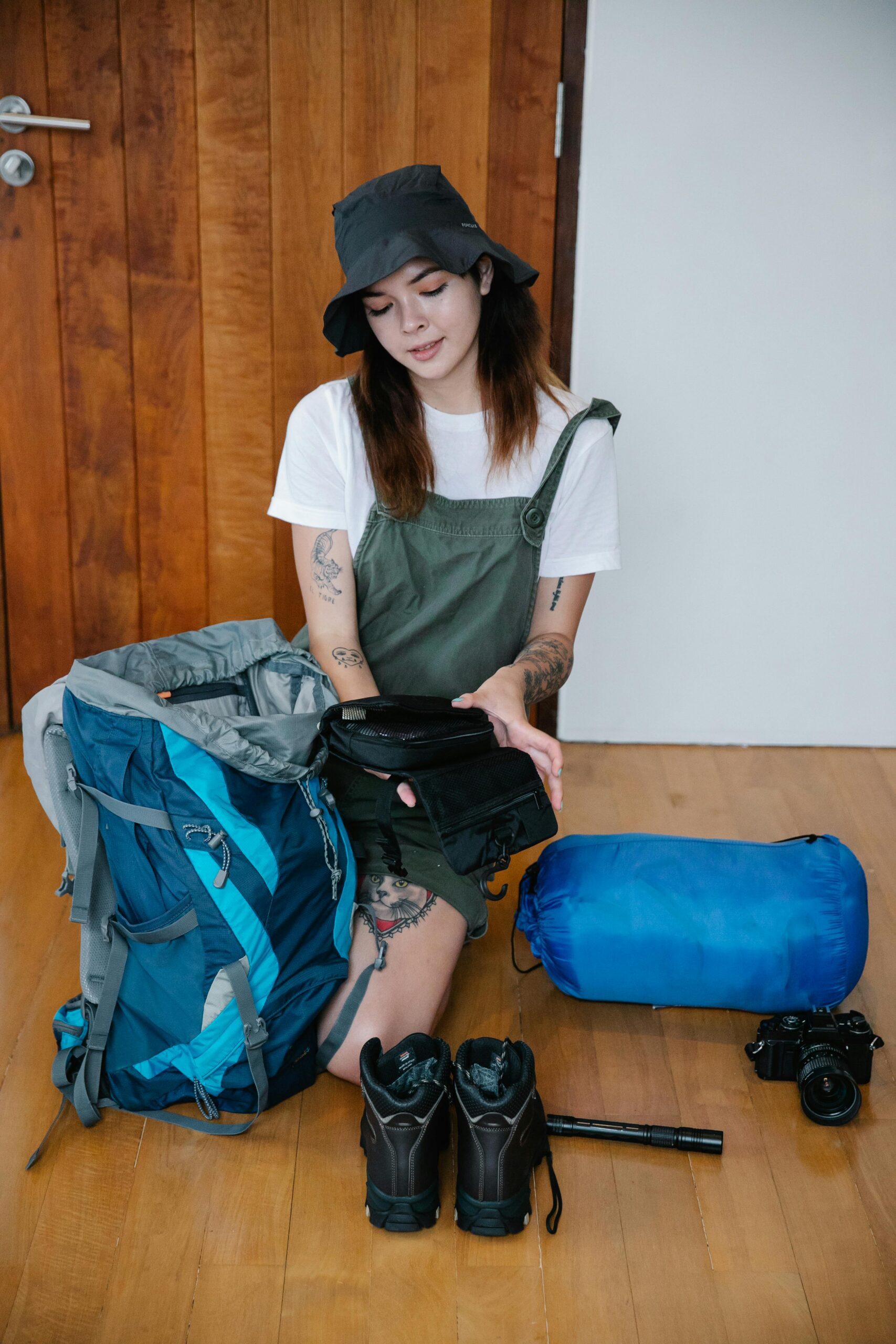
Start Packing in Phases
Avoid last-minute shopping.
Instead, collect items slowly:
- Neutral-colored clothing
- Comfortable walking shoes
- Wide-brim hat
- Sunglasses
- Light jacket
In addition, pack:
- Binoculars
- Camera gear + memory cards
- Sunscreen
- Insect repellent
- Personal medications
Confirm Transfers and Domestic Flights
Double-check:
- Pick-up times
- Airstrip names
- Baggage limits
Light luggage matters more than you think.
Purchase Travel Insurance
Choose coverage for:
- Medical emergencies
- Trip cancellation
- Lost baggage
- Evacuation
This provides peace of mind.
Physical and Mental Preparation
Although safaris aren’t extreme adventures, basic fitness helps.
Start walking three times per week. Add stairs or light strength training if your itinerary includes hiking.
For photographers, practice using your camera in early morning and late afternoon light. Learn settings before wildlife appears.
Mentally, embrace flexibility. Safari runs on nature’s schedule. Wildlife, not clocks, controls the day.
Learning a few Swahili words like Jambo (hello) and Asante (thank you) also goes a long way.
Month 1: Reconfirm Everything
Now your safari feels real.
Email your operator to reconfirm:
- Arrival details
- Lodge reservations
- Remaining balances
Save copies offline.
Notify your bank about international travel.
Review wildlife etiquette:
- Stay quiet during sightings
- Never feed animals
- Follow guide instructions
- Keep arms inside vehicles
These rules protect both you and wildlife.
Two Weeks Before Departure: Final Checks
- Print travel documents
- Weigh luggage
- Charge camera batteries
- Download offline maps
- Share itinerary with family
- Exchange small local currency
One Week Before: Rest and Reset
Avoid overpacking.
Instead, hydrate well, sleep properly, and review your itinerary once more.
You’re almost there.
Sample Safari Packing Essentials
- Passport and visas
- Travel insurance
- Neutral clothing
- Comfortable shoes
- Camera + memory cards
- Binoculars
- Sunscreen
- Insect repellent
- Personal medications
Common Mistakes to Avoid
Many travelers:
- Book too late
- Ignore luggage limits
- Skip insurance
- Forget adapters
- Overpack
However, following a structured timeline prevents these problems.
For deeper travel preparation, explore:
Frequently Asked Questions About Planning an African Safari
How far in advance should you plan an African safari?
Most safari experts recommend planning an African safari 6 to 12 months in advance. This timeline gives you the best chance of securing popular lodges, guides, and park access during peak wildlife seasons.
Luxury safari camps often have fewer than 20 rooms, so availability disappears quickly. In addition, early planning allows you to book international flights at lower prices and handle visas, travel insurance, and vaccinations without stress.
However, if you are flexible with destinations or travel during the shoulder season, you may still plan a safari within three to six months.
Is six months enough time to plan a safari in Africa?
Yes, six months is generally enough time to plan a safari successfully.
A six-month planning window allows you to:
- Choose destinations and safari operators
- Reserve lodges and camps
- Book international flights
- Apply for visas
- Get required vaccinations
- Prepare travel insurance and packing lists
While earlier planning offers more lodge choices, six months still provides sufficient time for a well-organized trip.
What is the best month to go on an African safari?
The best safari months depend on the region, but June to October is widely considered the best period across much of Africa.
During these dry months:
- Vegetation is thinner, making animals easier to spot
- Wildlife gathers near water sources
- The weather is usually cooler and less humid
For example:
- Kenya and Tanzania: July–October (Great Migration season)
- South Africa: May–September (dry winter season)
- Botswana: July–October (excellent wildlife viewing)
However, green seasons can also offer fewer tourists and lower prices.
How much does an African safari cost?
Safari costs vary widely depending on destination, season, and accommodation level.
Typical daily price ranges include:
| Safari Type | Cost per Person per Day |
| Budget safari | $150–$350 |
| Mid-range safari | $350–$700 |
| Luxury safari | $700–$1,500+ |
A typical 7-day safari trip may cost between $2,500 and $10,000 per person, including accommodation, game drives, park fees, and meals.
However, international flights are usually not included, which can add $700–$1,500 depending on departure location.
What vaccinations are required for an African safari?
Required and recommended vaccinations depend on the country you visit.
Common safari travel vaccines include:
- Yellow fever (required in some countries)
- Hepatitis A
- Hepatitis B
- Typhoid
- Tetanus booster
Some safari regions also require malaria prevention medication.
Travelers should consult a travel clinic or healthcare professional at least 4–8 weeks before departure.
What should you pack for an African safari?
Packing light and practical clothing is essential because many safari flights have strict luggage limits.
Common safari packing essentials include:
- Neutral colored clothing (khaki, beige, olive)
- Comfortable walking shoes
- Wide-brim hat
- Sunglasses
- Lightweight jacket
- Binoculars
- Camera with extra batteries
- Sunscreen
- Insect repellent
- Personal medications
Soft duffel bags are recommended because small safari aircraft often do not allow hard suitcases.
Do you need travel insurance for a safari?
Yes, travel insurance is strongly recommended for any African safari.
A good policy should cover:
- Medical emergencies
- Emergency evacuation
- Trip cancellations
- Lost baggage
- Flight delays
Safaris often take place in remote wildlife areas, so evacuation coverage is particularly important.
Can beginners go on safari?
Yes. African safaris are excellent for first-time travelers.
Most safari trips include:
- Professional guides
- Organized transportation
- Comfortable lodges
- Planned game drives
Guides also help visitors understand animal behavior, ecosystems, and conservation.
As a result, even travelers with no wildlife experience can enjoy a safe and memorable safari.
How long should a safari trip be?
A good safari usually lasts 5 to 10 days.
Shorter trips may feel rushed because parks can be far apart. However, longer safaris allow travelers to explore multiple ecosystems and increase the chance of seeing diverse wildlife.
A common itinerary includes:
- 2–3 days in one national park
- 2–3 days in another region
- Travel or rest days between locations
Is it safe to go on an African safari?
Yes, safaris are generally very safe when organized with reputable operators.
Professional guides follow strict wildlife safety protocols. In addition, lodges and parks enforce rules that protect visitors and animals.
To stay safe:
- Follow guide instructions at all times
- Stay inside vehicles during game drives
- Avoid approaching wildlife
- Keep food stored properly
Millions of travelers safely enjoy African safaris every year.
How many game drives do you do per day on safari?
Most safaris include two game drives per day.
Typical schedule:
Morning drive:
Starts around sunrise when animals are most active.
Afternoon or evening drive:
Begins late afternoon and may continue until sunset.
Some private reserves also offer night drives, allowing visitors to see nocturnal animals like leopards, hyenas, and bush babies.
What animals can you see on safari?
Safari wildlife varies by destination, but many visitors hope to see the Big Five:
- Lion
- Elephant
- Leopard
- Rhinoceros
- Buffalo
Other commonly spotted animals include:
- Giraffes
- Zebras
- Wildebeest
- Cheetahs
- Hyenas
- Hippos
- Crocodiles
- Hundreds of bird species
Wildlife sightings depend on location, season, and luck.
Can you plan an African safari yourself?
Yes, but most travelers prefer using a safari operator.
Planning independently requires arranging:
- Park permits
- Accommodation
- Transportation
- Game drives
- Guides
- Flights between parks
Safari companies simplify logistics and often secure better rates with lodges.
Therefore, guided safaris are usually the easiest and safest option.
Final Thoughts on Your 6 Month African Safari Planning Timeline
A safari is more than a vacation.
It’s a deep connection with nature.
By following this 6 month African safari planning timeline, you avoid stress, save money, and maximize wildlife encounters. More importantly, you arrive organized, confident, and ready to experience every moment.
Planning early transforms dreams into reality.
Six months from now, you’ll be watching elephants at sunset and listening to lions in the distance — fully present because you prepared wisely.
The adventure is waiting.