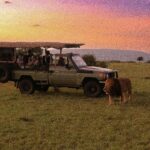
Choosing between a 3-day vs 5-day Kenya safari is one of the most important decisions travelers make when planning their first African adventure. While both options promise unforgettable wildlife encounters and breathtaking landscapes, the experience you get in three days feels very different from what five days allows.
In this complete comparison guide, you’ll discover how each safari length differs in pacing, wildlife sightings, costs, travel logistics, and overall satisfaction. In addition, you’ll learn which option suits photographers, families, honeymooners, and first-time visitors.
By the end, you’ll clearly know which safari duration matches your schedule, budget, and expectations.
Let’s begin.
What Does a Typical Kenya Safari Include?
Before comparing durations, it helps to understand what most Kenya safaris offer.
Generally, standard safari packages include:
- Park entry fees
- Daily game drives in a 4×4 safari vehicle
- Professional driver-guide
- Accommodation and meals
- Transfers from Nairobi or nearby airstrips
Short safaris usually focus on flagship parks such as Maasai Mara National Reserve, Amboseli National Park, and Tsavo East National Park.
These areas offer dense wildlife populations and excellent tourism infrastructure. However, the length of your safari determines how rushed—or relaxed—your experience feels.
3-Day vs 5-Day Kenya Safari: Core Differences at a Glance
3-Day Safari
- Fast-paced
- Usually one park
- Fewer game drives
- Lower overall cost
- Best for tight schedules
5-Day Safari
- Slower, immersive pace
- One or two parks
- More game drives
- Higher chance of Big Five sightings
- Better for photographers and first-timers
Now, let’s explore each option in detail.
3-Day Kenya Safari Explained: Short, Sweet, and Action-Packed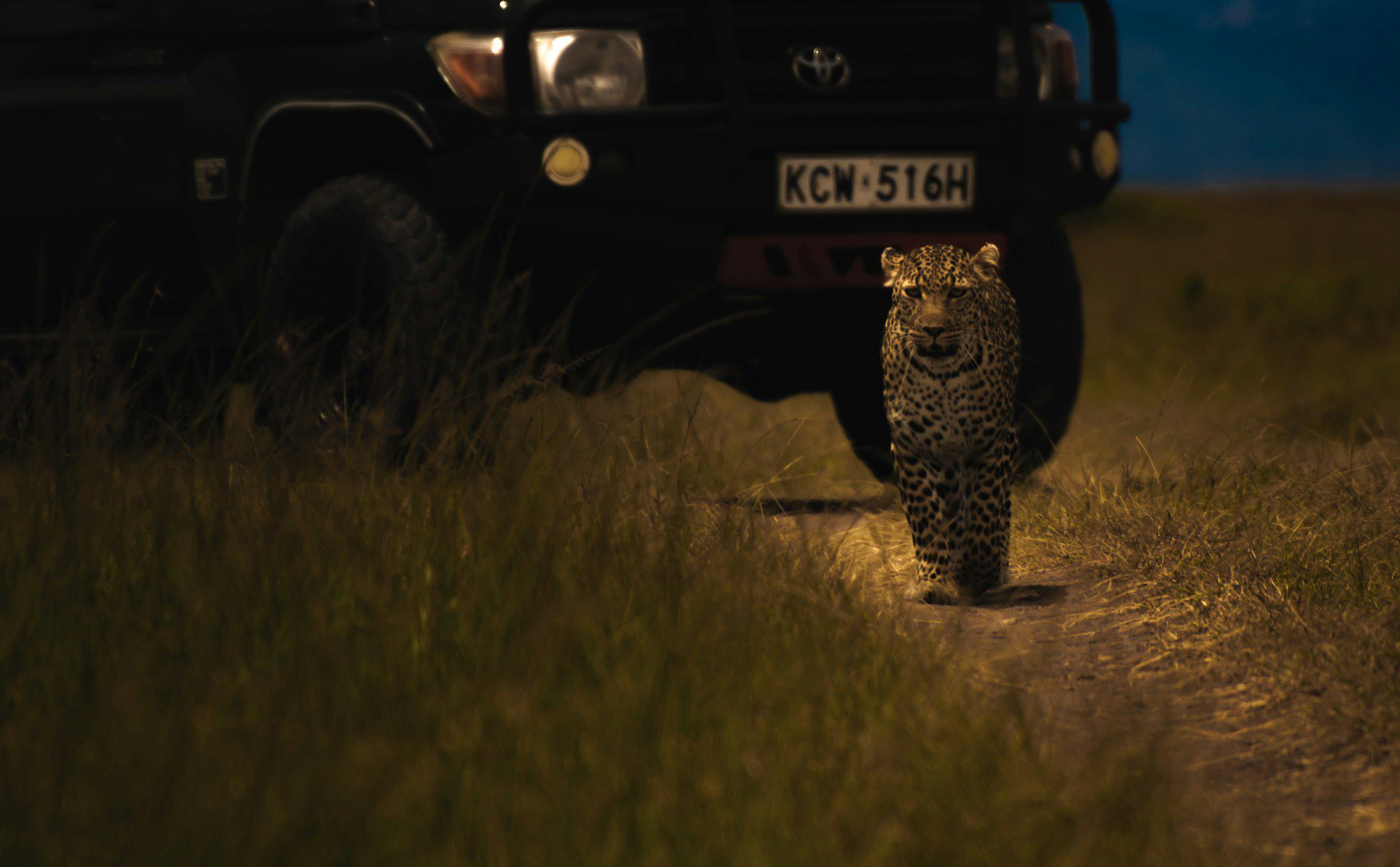
Typical 3-Day Safari Itinerary
Most 3-day safaris follow this rhythm:
Day 1: Nairobi → park → afternoon game drive
Day 2: Full day of game drives
Day 3: Morning drive → return to Nairobi
Because time is limited, operators almost always select one main destination—most commonly the Maasai Mara.
Early mornings start before sunrise to catch predators returning from night hunts. Midday is spent resting at camp. Then, afternoon drives resume around 4 PM until sunset.
Wildlife Experience on a 3-Day Safari
Yes, you will see wildlife.
Lions, elephants, giraffes, zebras, and buffalo appear frequently. With luck, you may also spot cheetahs or leopards.
However, sightings depend heavily on timing and guide skill. Since you only get around 3–4 game drives, there’s little flexibility if animals move away.
As a result, a 3-day safari feels exciting—but compressed.
Pros of a 3-Day Kenya Safari
- Ideal for weekend trips
- Lower park and accommodation costs
- Minimal time away from work
- Still delivers authentic safari moments
Cons of a 3-Day Kenya Safari
- Rushed schedule
- Limited to one park
- Less time to track elusive predators
- Road transfers eat into game-drive hours
In short, three days gives you a taste of safari—but not the full flavor.
5-Day Kenya Safari Explained: Deeper, Richer, More Relaxed
Typical 5-Day Safari Itinerary
A common structure looks like this:
Day 1: Nairobi → Park A → afternoon drive
Day 2: Full day in Park A
Day 3: Transfer to Park B → afternoon drive
Day 4: Full day in Park B
Day 5: Morning drive → Nairobi
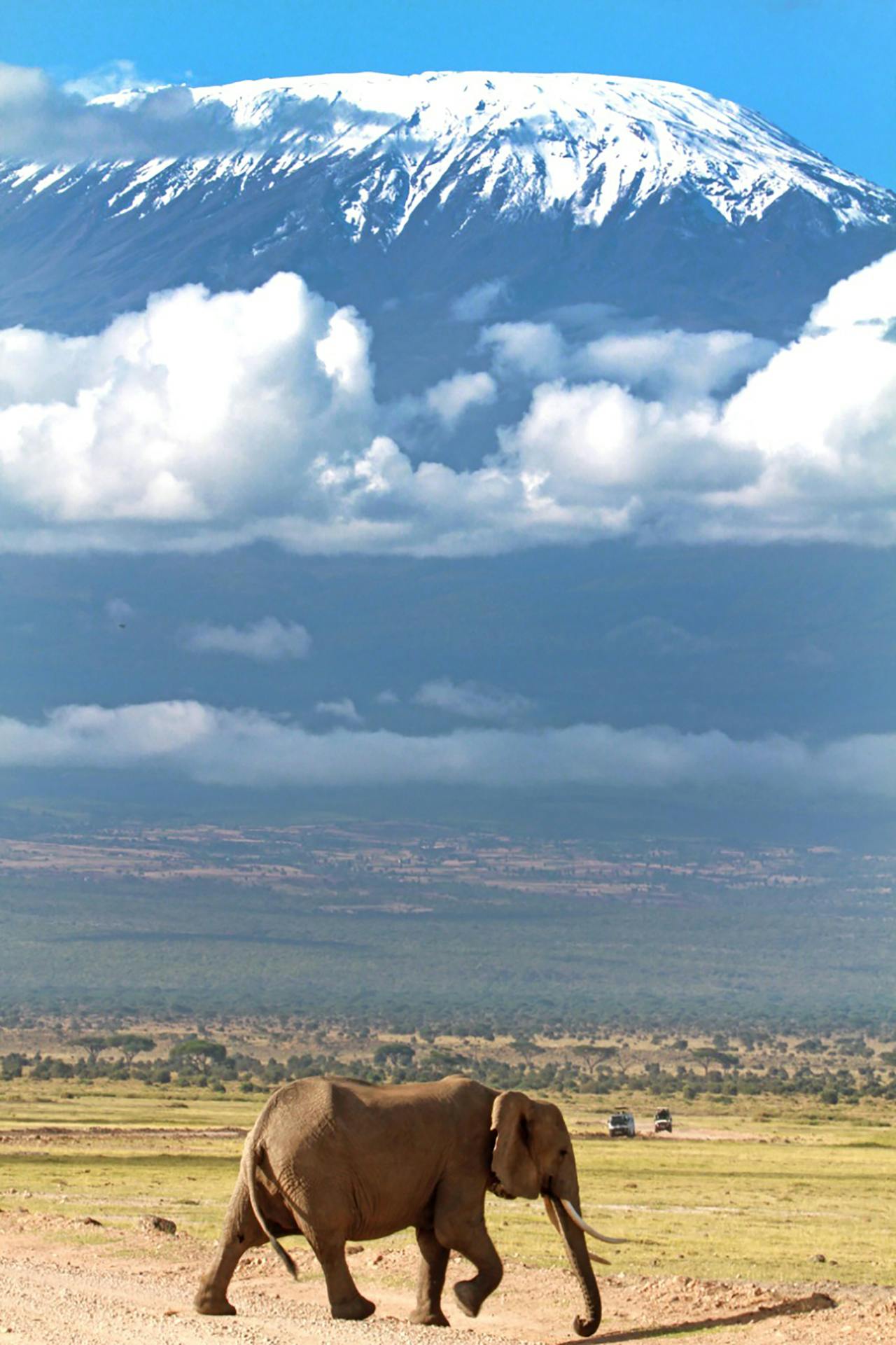
Popular combinations include Maasai Mara + Amboseli or Maasai Mara + Lake Nakuru.
Wildlife Experience on a 5-Day Safari
With five days, everything changes.
You gain more game drives, multiple ecosystems, and extra chances to follow animal movements. Therefore, your odds of seeing the Big Five increase dramatically.
In addition, guides can adjust plans based on real-time sightings. If lions move overnight, you can follow them the next morning. That flexibility simply doesn’t exist on shorter trips.
Pros of a 5-Day Kenya Safari
- More wildlife encounters
- Slower, enjoyable pace
- Opportunity to visit two parks
- Better for photography and birding
- Higher overall satisfaction
Cons of a 5-Day Kenya Safari
- Higher cost
- Requires more vacation time
- Slightly more packing
Still, most first-time travelers find five days far more rewarding.
Travel Time Matters More Than You Think
Road transfers from Nairobi to major parks take 5–7 hours.
On a 3-day safari, that’s a huge portion of your trip. However, on a 5-day safari, travel time feels less intrusive because you still enjoy multiple full days inside the parks.
As a result, longer safaris feel calmer and less rushed.
Wildlife Viewing: Probability vs Certainty
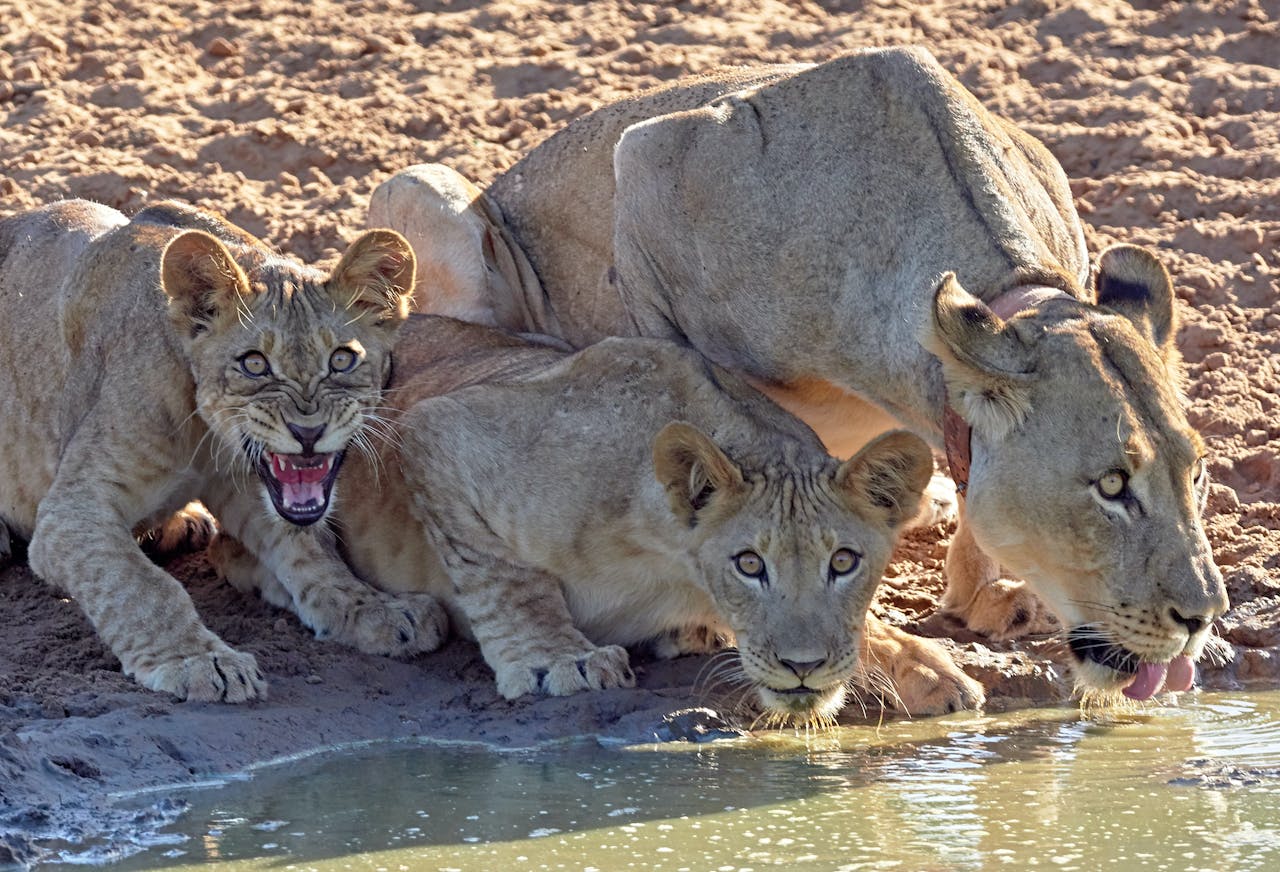
On a 3-day safari, you’re betting on probability.
On a 5-day safari, you move closer to certainty.
More days mean more animal activity cycles, different weather conditions, and greater positioning flexibility. Guides often say longer safaris allow them to “listen to the bush” rather than watch the clock.
Cost Comparison: 3-Day vs 5-Day Kenya Safari
Typical per-person shared safari ranges:
Budget
- 3-day: $450–$800
- 5-day: $900–$1,600
Mid-Range
- 3-day: $800–$1,200
- 5-day: $1,500–$2,500
Luxury
- 3-day: $1,500+
- 5-day: $3,000+
Although five days costs more overall, the daily value improves because transport and guiding fees spread across more game drives.
Best Time of Year: How Season Affects Safari Length
Season matters—especially for shorter safaris.
Dry Season (June–October)
- Best wildlife visibility
- Great Migration river crossings
- Ideal for both 3-day and 5-day trips
Green Season (November–May)
- Fewer crowds
- Lush landscapes
- Excellent birdlife
- Better value pricing
However, during green season, animals spread out. Therefore, 5-day safaris outperform 3-day trips because extra days help compensate for scattered wildlife.
Accommodation Choices: Why They Matter More on Short Safaris
On a 3-day safari, lodge location is critical.
If your camp is far from wildlife hotspots, you lose valuable viewing time. Meanwhile, 5-day safaris allow flexibility to change areas or stay longer in productive zones.
Accommodation types include:
- Budget tented camps
- Midrange lodges
- Luxury tented camps
Longer safaris also unlock long-stay discounts at many properties.
Photography & Viewing Strategy
Photographers benefit enormously from 5 days.
Why?
Because wildlife follows patterns, not schedules.
Golden light changes daily. Animals move. Hunts don’t happen on command.
Five days gives you:
- Multiple sunrise and sunset opportunities
- Second chances at missed sightings
- Time to wait out behavior
Three days gives you moments.
Five days gives you stories.
Common First-Time Safari Mistakes
Many travelers underestimate safari logistics. Here are frequent errors:
- Choosing 3 days after flying long-haul
- Overpacking itineraries
- Ignoring transfer times
- Expecting guaranteed sightings
- Booking poorly located camps
Avoid these by allowing breathing room—ideally with five days. Read our comprehensive 15 Errors to Avoid for an Unforgettable Trip guide.
Packing Tips: 3 Days vs 5 Days
Essentials for Both
- Neutral-colored clothing
- Light jacket
- Sunscreen and hat
- Binoculars
- Camera batteries
Extra for 5 Days
- Additional outfits
- Power bank
- Personal meds
- Backup SD cards
Longer safaris require slightly more preparation—but reward you far more.
Decision Checklist: Pick the Right Safari Length
Choose 3 days if:
- You’re short on time
- You’re adding safari to business travel
- Your budget is limited
Choose 5 days if:
- It’s your first safari
- You love photography
- You traveled far to reach Kenya
- You want Big Five sightings
- You prefer relaxed pacing
Sample Itineraries
Sample 3-Day Masai Mara Safari
- Day 1: Nairobi → Mara → afternoon drive
- Day 2: Full-day game drives
- Day 3: Morning drive → Nairobi
Sample 5-Day Masai Mara + Amboseli Safari
- Day 1: Nairobi → Mara
- Day 2: Full Mara
- Day 3: Transfer to Amboseli
- Day 4: Full Amboseli
- Day 5: Morning drive → Nairobi
Parks Commonly Used on Short Safaris
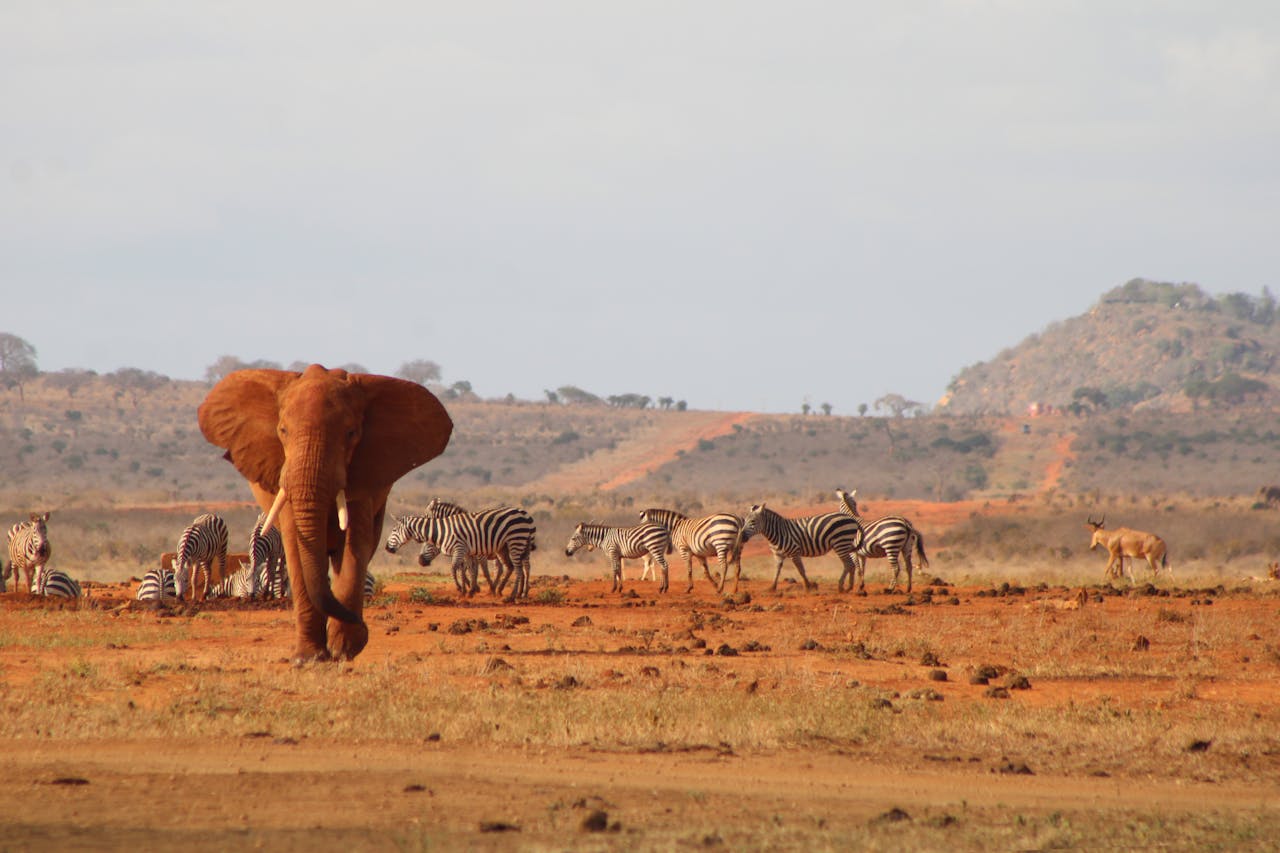
Besides Masai Mara and Amboseli, operators also use Tsavo East and Tsavo West.
For official conservation information, visit Kenya Wildlife Service. In addition, UNESCO provides background on protected ecosystems across East Africa.
Frequently Asked Questions About a 3-Day vs 5-Day Kenya Safari
Is 3 days enough for a Kenya safari?
Yes, three days is enough for a short Kenya safari, especially if you visit wildlife-rich parks like the Masai Mara National Reserve. In three days, travelers usually enjoy two to four game drives, which is enough time to see many animals such as lions, elephants, giraffes, zebras, and buffalo.
However, a 3-day safari is usually fast-paced. Travel time from Nairobi to the park can take several hours, which reduces the total time spent observing wildlife. Because of this, sightings of elusive animals like leopards or cheetahs are less predictable.
A 3-day safari works best for travelers with limited time, weekend visitors, or people adding a safari to a business trip. If you want a deeper wildlife experience, a longer safari is usually better.
Is a 5-day safari better than a 3-day safari in Kenya?
In most cases, a 5-day safari provides a significantly better overall experience. With five days, travelers enjoy more game drives, visit more ecosystems, and have greater chances of spotting the Big Five—lion, leopard, elephant, rhino, and buffalo.
A longer safari also allows travelers to combine destinations such as the Masai Mara National Reserve and Amboseli National Park. This variety increases wildlife sightings and provides different landscapes.
In addition, the pace of a 5-day safari is much more relaxed. Travelers have more time to enjoy the experience without feeling rushed between drives.
How much does a 3-day Kenya safari cost?
The cost of a 3-day Kenya safari varies depending on accommodation type, season, and whether the safari is private or shared.
Typical price ranges per person are:
Budget safari
- $450 – $800
Mid-range safari
- $800 – $1,200
Luxury safari
- $1,500 or more
Most packages include park fees, accommodation, meals, transportation in a safari vehicle, and a professional guide. However, flights, tips, drinks, and personal expenses may not be included.
Prices also increase during peak wildlife seasons such as the Great Migration months between July and October.
How much does a 5-day Kenya safari cost?
A 5-day Kenya safari costs more overall but often provides better value per day because transportation and guiding costs are spread over more game drives.
Typical price ranges include:
Budget safari
- $900 – $1,600
Mid-range safari
- $1,500 – $2,500
Luxury safari
- $3,000 or more
Longer safaris also allow travelers to stay in multiple parks, which increases the diversity of wildlife experiences.
What animals can you see on a short Kenya safari?
Even on a short safari, travelers can see a wide range of African wildlife.
Common animals include:
- Lions
- Elephants
- Zebras
- Giraffes
- Buffalo
- Wildebeest
- Hyenas
- Antelope species
Predators like leopards and cheetahs are more difficult to spot because they are elusive. However, parks with high wildlife densities—such as the Masai Mara National Reserve—increase the chances significantly.
Birdlife is also spectacular, particularly in locations like Lake Nakuru National Park, which hosts hundreds of bird species.
Can you see the Big Five on a 3-day safari?
Yes, it is possible to see the Big Five on a 3-day safari. However, it is not guaranteed.
The Big Five include:
- Lion
- Leopard
- Elephant
- Rhino
- Buffalo
While lions, elephants, and buffalo are commonly seen, leopards and rhinos are more elusive. A longer safari increases your chances because you spend more time searching different areas.
For rhino sightings, parks such as Lake Nakuru National Park are particularly reliable.
Which parks are best for a 3-day safari in Kenya?
The best parks for short safaris are those with high wildlife density and good accessibility.
Popular choices include:
- Masai Mara National Reserve
- Amboseli National Park
- Tsavo East National Park
- Lake Nakuru National Park
The Maasai Mara remains the most popular because of its exceptional wildlife concentration and famous Great Migration.
When is the best time for a Kenya safari?
Kenya offers excellent wildlife viewing throughout the year, but some seasons stand out.
Best wildlife viewing:
June – October (dry season)
Great Migration season:
July – October in the Maasai Mara
Green season:
November – May
During the dry season, animals gather around water sources, making them easier to spot. However, the green season offers lush scenery, fewer tourists, and lower safari prices.
Is a Kenya safari safe for tourists?
Yes, Kenya safaris are generally very safe when organized by licensed tour operators.
Professional safari guides are trained to manage wildlife encounters and follow strict park regulations. Visitors are required to stay inside safari vehicles during game drives and follow safety instructions.
Organizations such as the Kenya Wildlife Service oversee wildlife conservation and visitor safety across national parks.
As long as travelers follow guide instructions, safaris remain one of the safest ways to experience African wildlife.
Should I fly or drive to safari parks?
Both options have advantages.
Driving
- More affordable
- Scenic landscapes along the way
- Good for budget safaris
Flying
- Saves several hours of travel time
- Ideal for short safaris
- Provides aerial views of Kenya’s landscapes
For a 3-day safari, flights often maximize time spent inside the park.
Which safari is better for first-time visitors?
For most first-time travelers, a 5-day safari is the ideal introduction to Kenya.
Five days allow you to experience multiple ecosystems, enjoy more game drives, and relax between activities. The longer itinerary also reduces the pressure to see everything in a short time.
As a result, first-time safari visitors often find the experience more enjoyable and memorable.
Final Verdict: 3-Day vs 5-Day Kenya Safari
A 3-day safari works if you’re short on time or budget and simply want a glimpse of Kenya’s wildlife.
However, a 5-day safari delivers a fuller, richer, and more memorable experience. You see more animals, explore more landscapes, and travel at a humane pace.
If this is your first African safari—especially if you’re flying in from abroad—five days is the smarter choice.
Conclusion
When comparing a 3-day vs 5-day Kenya safari, the real difference is depth versus speed.
Three days offers excitement in a compact package. Five days offers immersion, flexibility, and stronger wildlife encounters.
If you can spare the time and budget, choose five days.
Your future self—and your photo gallery—will thank you.